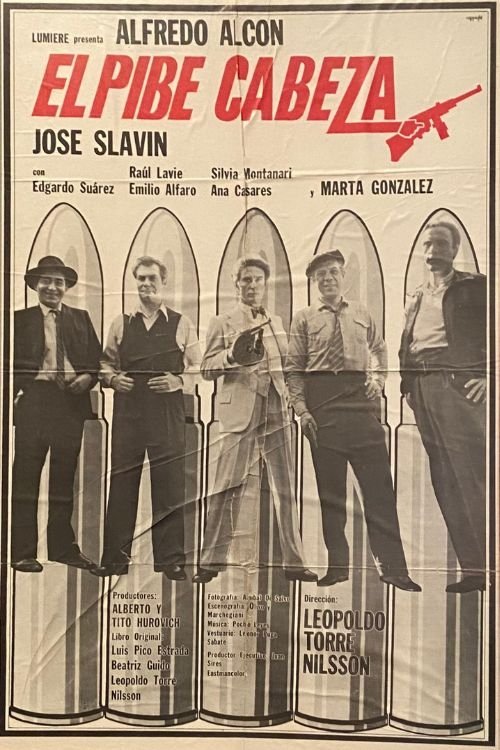
Kid Head
1975
No user ratings available yet
Representation score: 4.2 out of 10

Representation Score
Limited
1961
Director
Lautaro Murúa
Runtime
90 minutes
Average Rating
No ratings yetNew Showbiz Analysis
Alias Gardelito is a work of social realism that prioritizes class struggle over modern identity politics. It succeeds by providing a nuanced view of how socioeconomic structures shape human behavior, portraying the protagonist as a victim of his environment rather than a traditional villain. However, the film remains deeply rooted in the assumption that everyone is straight or cisgender and male-centric social structures. It lacks representation for LGBTQ+ identities and offers limited perspectives outside of the masculine struggle for status. Ultimately, the film's strength lies in its cultural critique of power structures, even as it fails to address broader diversity metrics like gender or disability.
Category Breakdown
The film focuses on masculine archetypes within the urban underworld. There are no queer narratives or non-cisgender identities present in this 1961 setting.
The story centers on the male experience and the pursuit of masculine ideals. It does not explicitly challenge gender hierarchies or provide significant roles for women.
The film offers an authentic depiction of the Argentine working class. It avoids idealized depictions by focusing on the gritty, realistic socioeconomic fringes of Buenos Aires.
The narrative critiques capitalist urban environments through a lens of moral relativism. It frames the protagonist's crimes as a systemic byproduct of socioeconomic pressures rather than simple villainy.
There is no discernible evidence regarding the portrayal of physical or neurodivergent disabilities in this work.
Present on Screen
Limited or Absent
Official Synopsis
The title of this story is taken from the name of the great Argentine singer Carlos Gardel, the idol of the antihero Toribio portrayed by Alberto Argibay. Toribio's goal in life is to emulate the famous singer and making his own way successfully in the music business. Yet at the same time, he does not stop his illegal means of making ends meet, stealing and petty thievery. Discouraged when his big break never quite materializes, Toribio heads for disaster when he joins up with a large smuggling scheme.
1975
1955
1960

1958
1948
1972
1949
1959
No reviews yet. Be the first to share your thoughts on this movie!
Use the rating form above to leave a star rating and optional review.