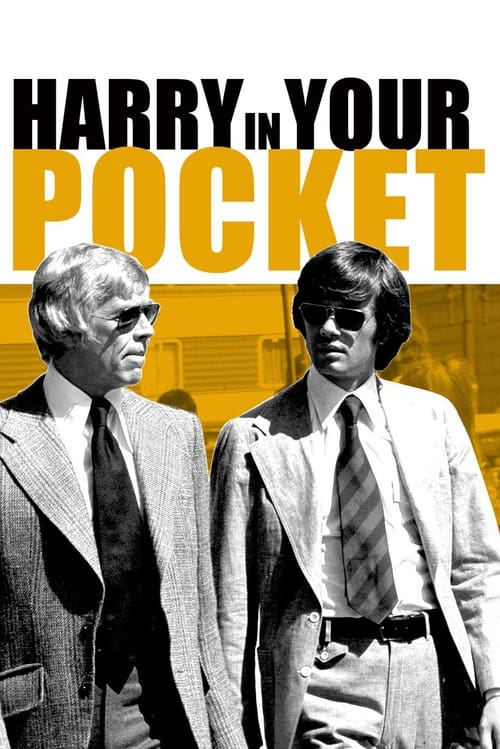
Harry in Your Pocket
1973
No user ratings available yet
Representation score: 2.8 out of 10
Representation Score
Limited
1971
TV-13Director
Aleksandr Sery
Runtime
88 minutes
Average Rating
No ratings yetNew Showbiz Analysis
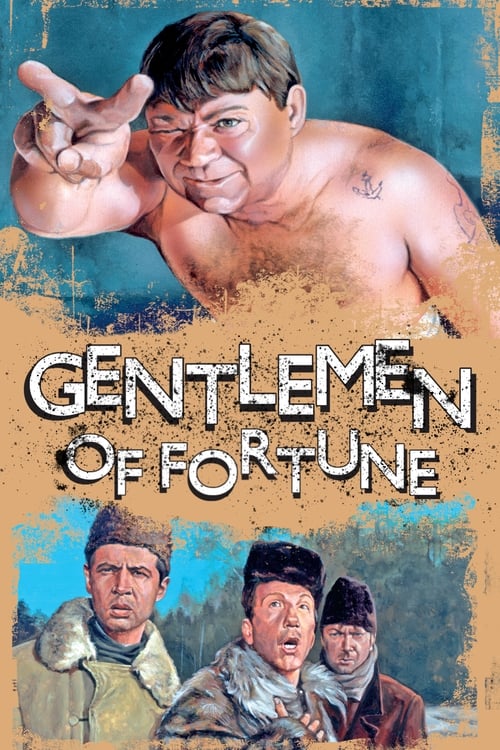
Gentlemen of Fortune is shaped by its specific 1971 Soviet historical and ideological context. It falls short in modern diversity standards, particularly in LGBTQ+, racial, and gender representation. However, the film stands out for its cultural critique of traditional justice models. By depicting criminals as individuals capable of redemption through empathy, it questions rigid authority and promotes systemic compassion. Ultimately, the film’s strength lies in its humanistic approach to social reintegration rather than its demographic diversity.
Category Breakdown
The film does not include any LGBTQ+ characters or non-straight identities. It follows traditional interpersonal dynamics typical of 1971 Soviet cinema.
The story focuses on a male-dominated group of convicts and a male teacher. Although not overtly sexist, the film lacks significant roles for women and challenges to male leadership.
The cast is ethnically uniform, reflecting the demographics of its time. It does not use color-blind casting or feature a diverse range of ethnicities.
The narrative highlights collectivist values and social rehabilitation. It challenges Western views of punitive justice by showing criminals as individuals capable of redemption through empathy.
The film does not feature any characters with visible or invisible disabilities as central plot devices. It does not explore disability-related themes.
Present on Screen
Limited or Absent
Official Synopsis
Kindergarten teacher Evgeniy Ivanovich Troshkin is reluctantly sent undercover to take the place of an imprisoned thief who stole Alexander the Great's helmet. Evgeniy uses his striking resemblance to the thief to infiltrate his gang and learn the location of the stolen artifact. He finds the gangsters are unexpectedly similar to his students- they also need love and care.
1973
1966

2005

1969
1951
1955

2012

2000
No reviews yet. Be the first to share your thoughts on this movie!
Use the rating form above to leave a star rating and optional review.