Arroz con leche
1950
No user ratings available yet
Representation score: 2.7 out of 10
Representation Score
Minimal
1952
PGDirector
Julián Soler
Runtime
95 minutes
Average Rating
No ratings yetNew Showbiz Analysis
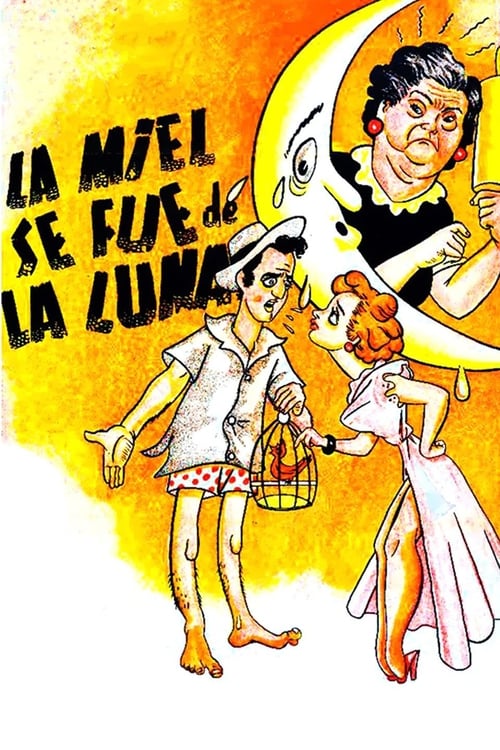
La miel se fue de la luna is a period-typical domestic comedy that operates within the established social hierarchies of 1950s Mexican cinema. The plot relies on traditional romantic entanglements and gendered archetypes to drive its comedic pace. The film reinforces patriarchal structures by giving the male protagonist control through his deceptive maneuvers. Meanwhile, the female characters are largely defined by their reactions to his actions, such as jealousy or being the recipient of his lies. Ultimately, the work functions as a standard sitcom of its era. It lacks the intentionality to disrupt conventional expectations regarding family, romance, or social roles, instead leaning into the era's established cultural norms.
Category Breakdown
The film follows a strictly heterosexual structure focused on romantic betrayal. There is no evidence of same-sex relationships or non-cisgender identities within the story.
Gender roles rely on 1950s clichés, with the male lead driving the plot through deception. Female characters are defined by their relationships to him, whether as a jealous wife or a deceived lover.
The production features a predominantly Mexican cast typical of the Golden Age. However, the film emphasizes homogeneous social structures rather than diverse ethnic representation.
The story adheres to mid-century social norms, focusing on the sanctity of marriage. It presents morality through a conventional lens of romantic consequence rather than systemic critique.
The available information provides no mention of characters with physical, sensory, or neurodivergent disabilities.
Present on Screen
Limited or Absent
Official Synopsis
Dr. Pablo, something womanizer, going to marry with Mini and cheats África, singer and his lover, telling her to wait while she is on tour in Cuba. With her, he poses as a friend industrial, Ricardo and his intention is not to see her again. While Africa is out he marries Mini, which proves to be terribly jealous. Complications ensue when Africa returns to Mexico and start searching for the fake Richard. By chance a friend of Mini will be in a beauty salon and this ensures she can take to "Ricardo" because is "a friend of her husband". A typical sitcom with a blistering pace.
1950

1961
1951
1950
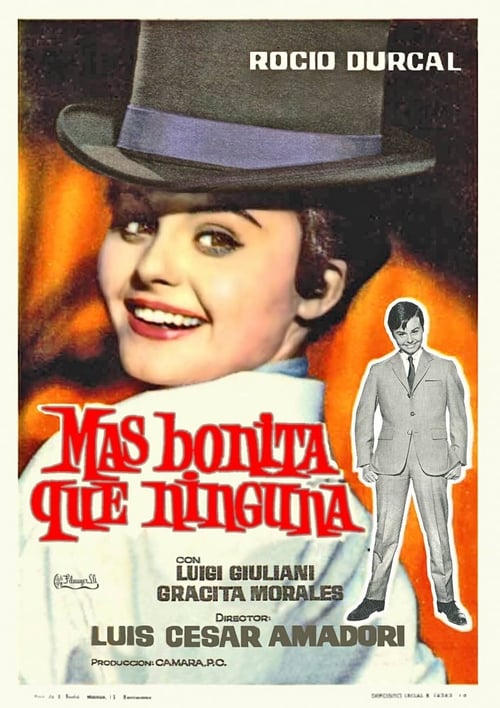
1965
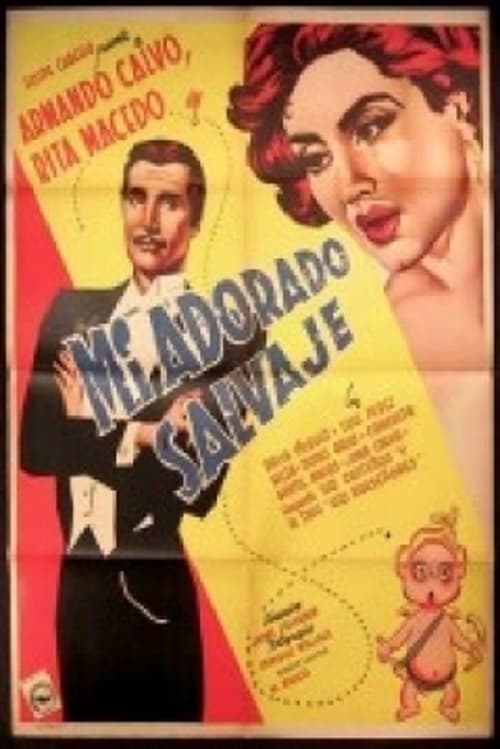
1952
1965
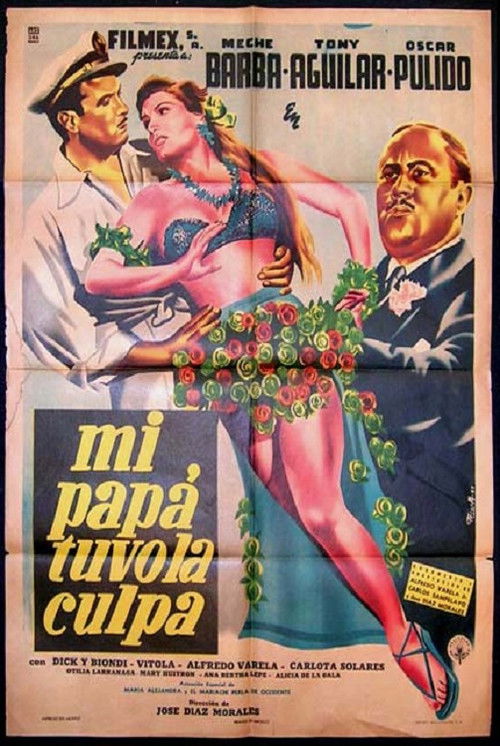
1953
No reviews yet. Be the first to share your thoughts on this movie!
Use the rating form above to leave a star rating and optional review.