
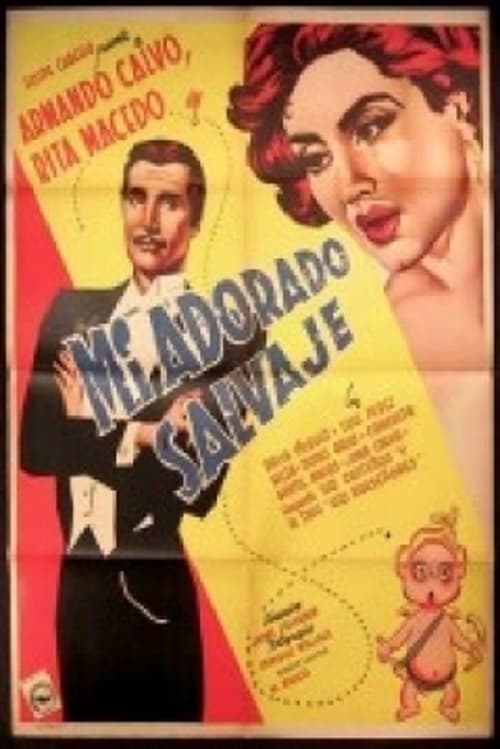
Mi mujer no es mía
1951
No user ratings available yet
Representation score: 2.0 out of 10
Representation Score
Minimal
1952
Director
Jaime Salvador
Runtime
91 minutes
Average Rating
No ratings yetNew Showbiz Analysis
Mi adorado salvaje is a traditional 1950s romantic comedy that adheres to the social and commercial norms of its era. The plot follows a classic cliché where a protagonist uses deception to navigate patriarchal authority and familial obligations. The film centers on personal romantic choices rather than challenging systemic hierarchies. While the female lead attempts to challenge arranged marriage, she does so within a framework that prioritizes established social orders. Ultimately, the work serves as a period piece reflecting the conventional values of mid-century Spanish and Mexican cinema.
Category Breakdown
The film focuses on a heterosexual romance, with no representation of LGBTQ+ identities or critiques of heterosexuality.
A female character tries to take control of her life by deceiving others to avoid an arranged marriage. However, her struggle remains within the confines of male-dominated family structures.
The story involves interactions between Spain and Mexico, showing typical representations of these cultures from the time period without blending multiple aspects of identity.
The narrative emphasizes traditional Western and Catholic social norms. The plot revolves around fulfilling or avoiding familial duties and upholding the sanctity of marriage contracts.
The synopsis does not mention any characters with visible or invisible disabilities.
Present on Screen
Limited or Absent
Official Synopsis
The old folks back home in Spain have arranged a marriage for their niece living in Mexico. To side-step their demands, she pretends to be already married, with a male acquaintance who agrees to pose as her husband while her relatives are visiting.
1951

1952
1951

1955
1952

1972

1944

1950
No reviews yet. Be the first to share your thoughts on this movie!
Use the rating form above to leave a star rating and optional review.