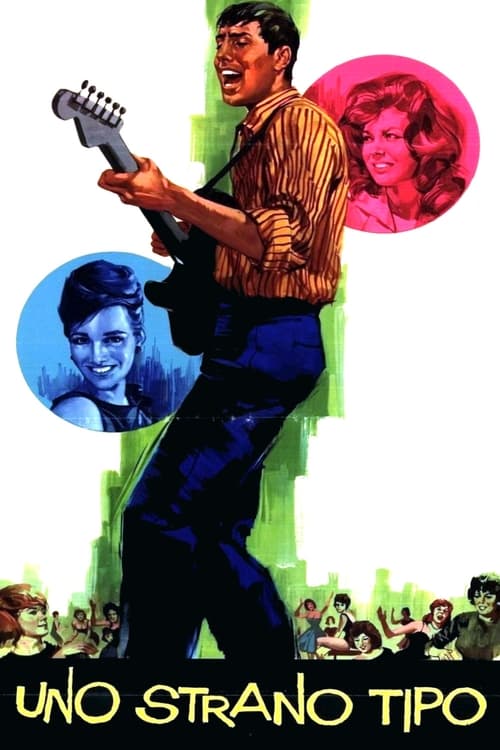
The Strange Type
1963
No user ratings available yet
Representation score: 2.5 out of 10
Representation Score
Limited
1965
Director
Lucio Fulci
Runtime
89 minutes
Average Rating
No ratings yetNew Showbiz Analysis
Lucio Fulci’s early comedy is a traditional situational piece rooted in its specific temporal and cultural context. The narrative structure is built upon established social hierarchies and assumptions that everyone is straight or cisgender. The story focuses on biological lineage and fatherhood. While the film provides a lighthearted critique of military discipline by introducing comedic chaos into a rigid institution, it lacks complexity in reflecting multiple aspects of identity. The story operates within the bounds of standard social misunderstandings rather than challenging systemic power dynamics. Ultimately, the film reflects the demographic and social norms of 1965 Italy, prioritizing slapstick and situational ineptitude over progressive representation or diverse character perspectives.
Category Breakdown
The film relies on conventional clichés related to fatherhood and romantic misunderstandings. There is no representation of non-straight identities or critiques of the assumption that everyone is straight or cisgender.
The movie centers around a male-dominated military environment. Female characters are mentioned only through a past romance, and their influence is defined by their connection to the male protagonist.
The setting and time period suggest a homogeneous demographic typical of 1965 Italian productions. There is no indication of a multi-ethnic cast or diverse racial dynamics.
The narrative offers a comedic deconstruction of military life by introducing situational chaos and misunderstanding, disrupting the image of the military as a sacred institution.
There are no visible or invisible disabilities portrayed as central to the character arcs or the progression of the plot.
Present on Screen
Limited or Absent
Official Synopsis
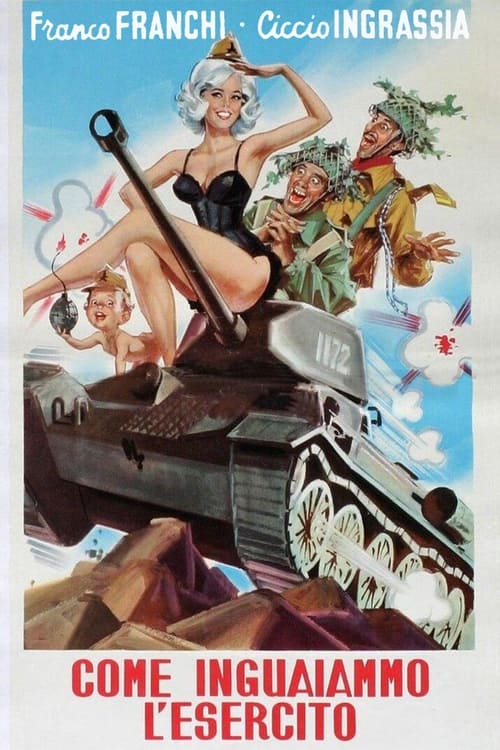
A sergeant finds out that a GI hides a child in the military barracks. The boy is the son of another soldier who sings in a night club but due to series of misunderstandings the sergeant believes he is his own son, born from a former love story.
1963
1972
1962

1975
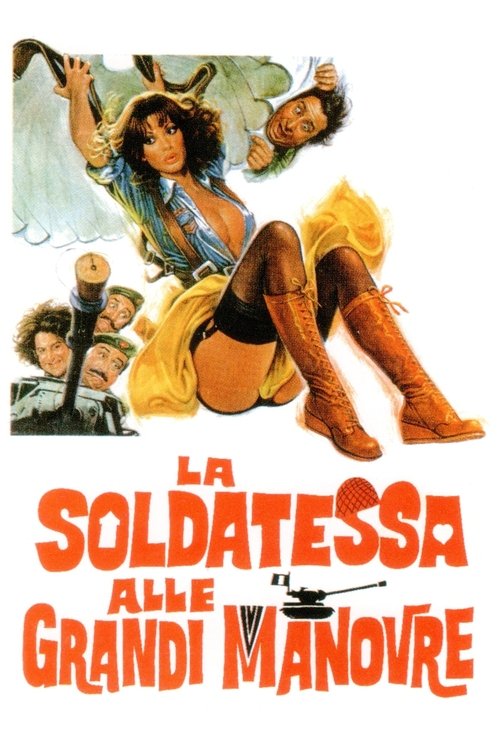
1978
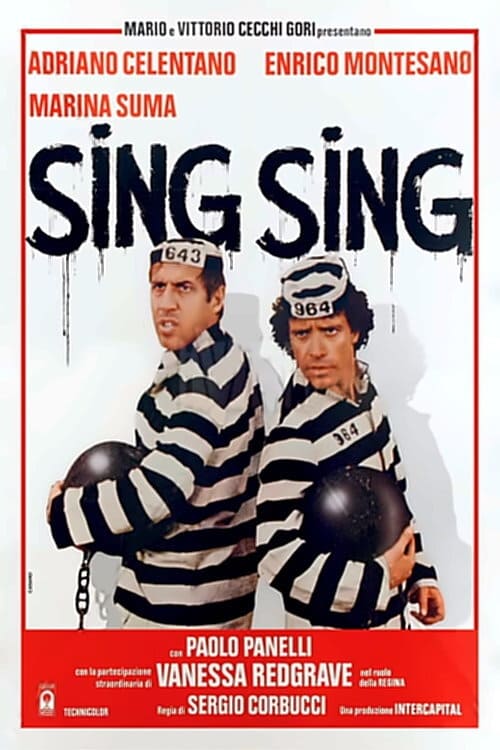
1983
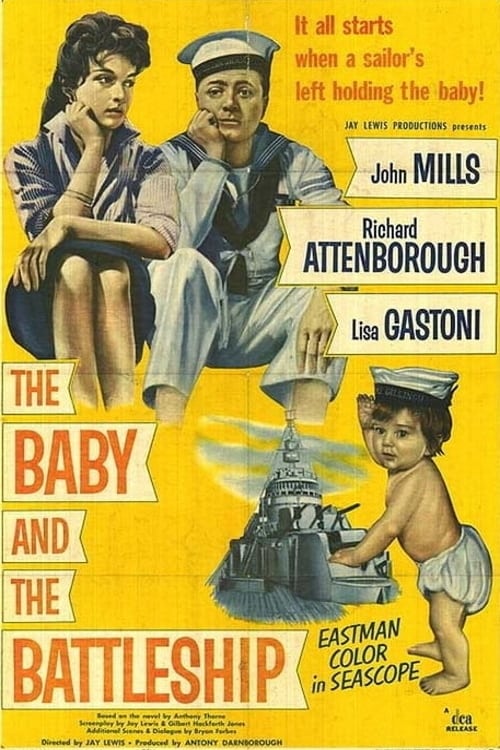
1956
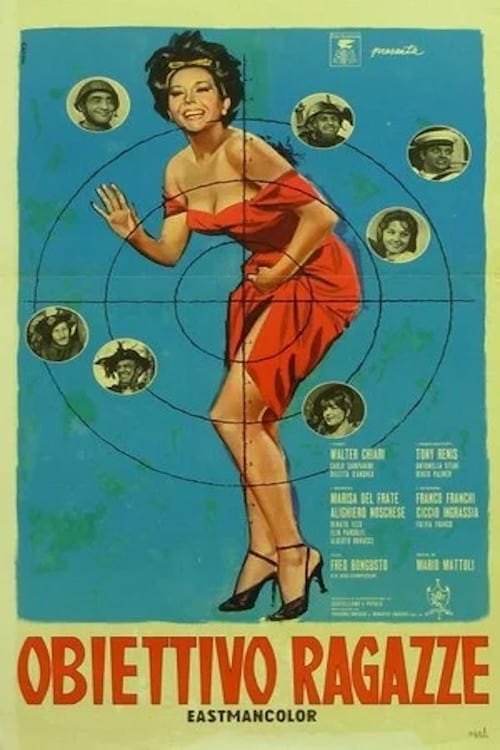
1963
No reviews yet. Be the first to share your thoughts on this movie!
Use the rating form above to leave a star rating and optional review.