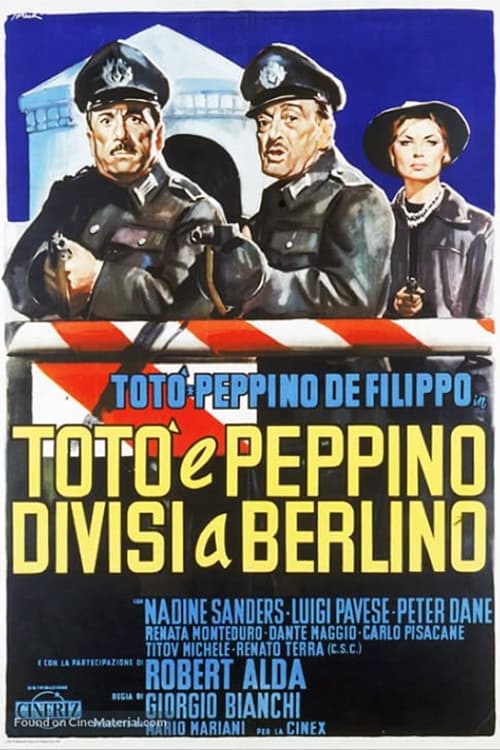
Totò e Peppino divisi a Berlino
1962
No user ratings available yet
Representation score: 2.2 out of 10
Representation Score
Limited
1963
Director
Lucio Fulci
Runtime
90 minutes
Average Rating
No ratings yetNew Showbiz Analysis
The film functions as a period-specific domestic comedy centered around traditional social hierarchies. It relies on conventional romantic clichés and mid-century gender dynamics without delving into diverse identities. While the film touches on generational conflict through rock and roll culture, it uses these themes for comedic effect. The focus remains on local social structures and domestic life. Ultimately, the work does not challenge conventional social expectations or provide a broad range of lived experiences beyond the established Italian social norms of the time.
Category Breakdown
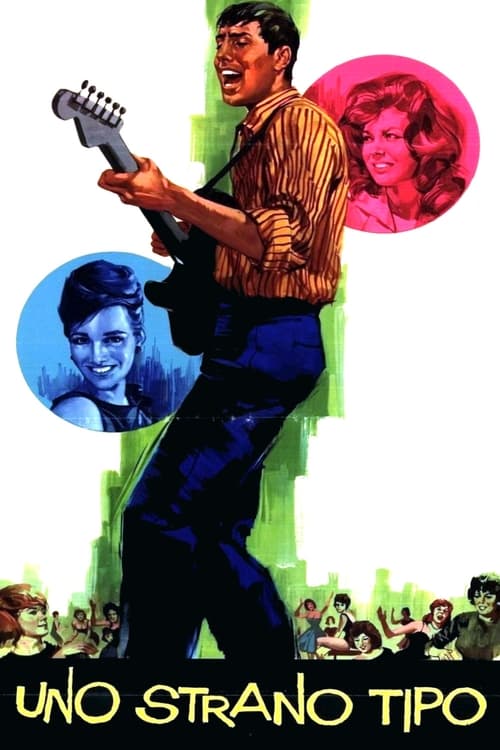
The film centers on heterosexual relationships between Celentano and Emanuela. It does not include any characters with non-traditional gender identities or critique the assumption that everyone is straight or cisgender.
Gender roles adhere to typical mid-century patterns. The female lead's influence is primarily shaped by her romantic interests and her relationship with her father.
Set in Amalfi, the story portrays a uniform social setting. The narrative focuses on local villagers and national celebrities without highlighting any racial diversity.
The plot examines the tension between traditional social hierarchy and emerging rock and roll culture. These elements serve comedic purposes without deeper systemic critiques.
The narrative does not mention any characters with physical, sensory, or neurodivergent disabilities.
Present on Screen
Limited or Absent
Official Synopsis
Peppino, a slow-witted local villager of the Italian resort town of Amalfi, is bribed to impersonate famed rock and roll star Adriano Celentano for autographs and personal appearances. While Celentano tries to romance Emanuela Mazzolani, the daughter of a well-to-do resident who dissaproves of the union between his daughter and the man he thinks of as a "punk", Peppino, unaware of the true nature of his job to impersonate Celentano, tries to deal with his girlfriend's newborn baby which gets switched around between him and Celentano.
1962
1973
1965
1991
1983
1963
1976
1965
No reviews yet. Be the first to share your thoughts on this movie!
Use the rating form above to leave a star rating and optional review.