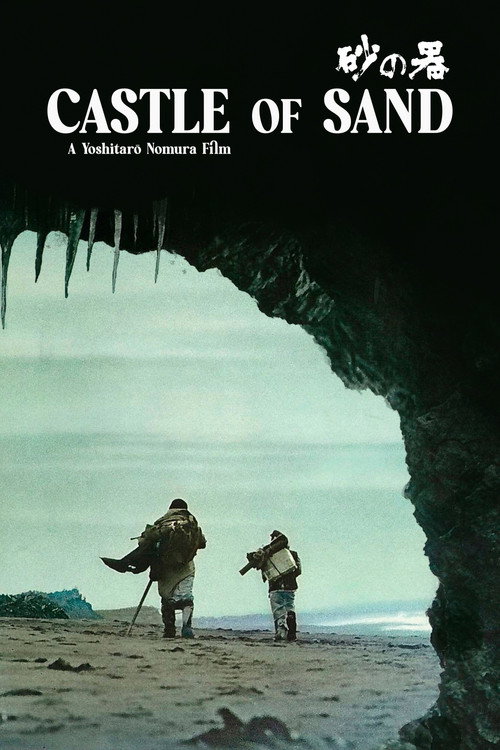
The Castle of Sand
1974
No user ratings available yet
Representation score: 5.7 out of 10

Representation Score
Limited
1981
Director
Eiichi Kudō
Runtime
112 minutes
Average Rating
No ratings yetNew Showbiz Analysis
Eiichi Kudō’s film examines postmodern disillusionment and urban alienation. It successfully challenges traditional domestic hierarchies and rejects rigid mainstream moralism by focusing on aimless, anti-social lifestyles. However, the film remains highly localized and male-centric. It lacks significant female influence and fails to engage with the overlapping aspects of identity or diverse demographic representation. Ultimately, the work prioritizes a specific, homogeneous cultural reality over a multicultural or inclusive perspective, making it a niche exploration of social malaise rather than a diverse character study.
Category Breakdown
The film touches on non-traditional relationships among urban youth but lacks clear LGBTQ+ character stories or critiques of the assumption that everyone is straight or cisgender.
It disrupts traditional gender roles by focusing on a transient, male-dominated subculture where women participate but do not drive the plot.
The cast is mainly Japanese, reflecting a highly localized setting. The film does not actively engage with diverse ethnic identities or multicultural narratives.
The film presents moral relativism by showing characters who drift from conventional career and family structures. It critiques mainstream social institutions through themes of urban loneliness.
There are no prominent depictions of visible or invisible disabilities. Characters are defined by socioeconomic status and social drift rather than physical or neurodivergent traits.
Present on Screen
Limited or Absent
Official Synopsis
BJ is a relatively unknown blues singer who scraps some bars in Yokohama. He does not earn much with it and to make ends meet he also acts as a private detective.
1974

1949

1969

1967

2005

1975

1948

2018
No reviews yet. Be the first to share your thoughts on this movie!
Use the rating form above to leave a star rating and optional review.