The Kids Menu
2016
No user ratings available yet
Representation score: 7.3 out of 10
Representation Score
Excellent
2012
Director
Estela Renner
Runtime
83 minutes
Average Rating
No ratings yetNew Showbiz Analysis
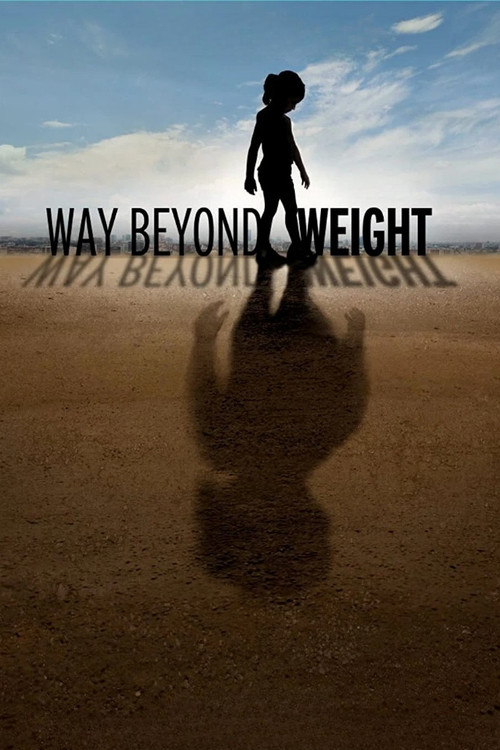
Way Beyond Weight serves as a systemic critique of how global capitalism and aggressive food advertising drive childhood obesity. By centering the narrative on the Brazilian population, the film highlights a specific regional crisis and moves away from Western-centric media homogeneity. The documentary excels at framing health issues through a socioeconomic lens, challenging the influence of corporate entities on public welfare. It prioritizes the vulnerability of children against the backdrop of modern consumerist institutions. While the film provides a strong cultural critique, it lacks specific focus on identity-based representation, such as LGBTQ+ narratives or the subversion of gendered power dynamics. Its strength lies in its investigative, social-advocacy approach to public health.
Category Breakdown
The film focuses on pediatric health and nutritional systemic issues. There is no explicit mention of LGBTQ+ characters or narratives.
The narrative includes diverse parental perspectives, often featuring mothers as primary caregivers and decision-makers. However, it does not explicitly address traditional gender hierarchies.
As a Brazilian production, the film showcases a non-Anglo-Saxon cast and setting, providing a platform for representing the racial and ethnic diversity of South America.
The film critiques global capitalism and the food industry's impact on children. It challenges traditional market structures by prioritizing collective public health over unregulated corporate interests.
The documentary addresses chronic health conditions like diabetes and cardiovascular issues in children. It emphasizes lived experiences rather than maintaining a purely clinical tone.
Present on Screen
Limited or Absent
Official Synopsis
Today, one third of Brazilian children are overweight. This is the first generation to introduce diseases previously restricted to adults, such as depression, diabetes and cardiovascular problems. This documentary examines the case of childhood obesity in the country especially, but also in other countries in the world, interviewing parents, school representatives, and government officials responsible for food advertising.
2016

2010

2008

2018
2020

2014
2014

2004
No reviews yet. Be the first to share your thoughts on this movie!
Use the rating form above to leave a star rating and optional review.