Way Beyond Weight
2012
No user ratings available yet
Representation score: 8.5 out of 10
Representation Score
Good
2016
Director
Kurt Engfehr
Runtime
88 minutes
Average Rating
No ratings yetNew Showbiz Analysis
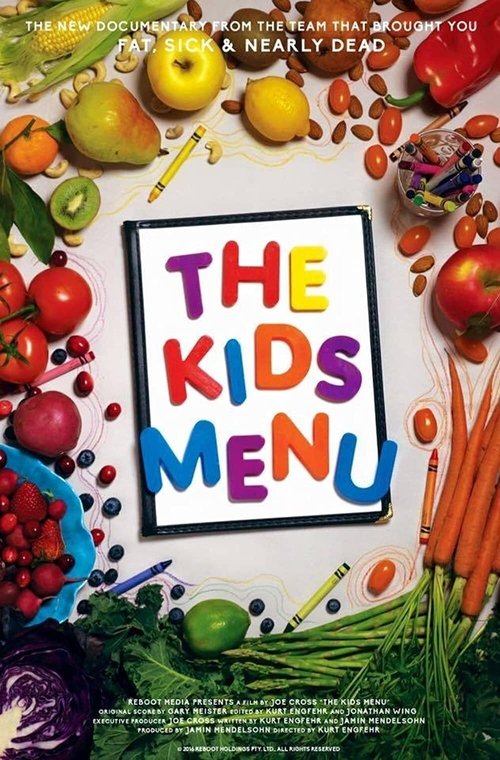
The Kids Menu is a documentary that prioritizes systemic health critiques over identity-based storytelling. It succeeds in moving beyond a Western-centric viewpoint by investigating the childhood obesity crisis on a global scale. However, the film lacks depth in specific identity categories. There is no visible focus on LGBTQ+ narratives or the lived experiences of individuals with disabilities. The representation of gender remains at a standard level without challenging traditional hierarchies. Ultimately, the film's strength lies in its cultural critique of how societal structures impact nutrition. It functions more as a social investigation into food access than a study of diverse social identities.
Category Breakdown
The documentary focuses on public health and nutritional science. There are no explicit LGBTQ+ character arcs or narratives centered on non-straight relationships.
The film includes a range of stakeholders like parents and teachers. It maintains a standard level of representation without delving into specific gendered power dynamics.
The film adopts a global scope, following Joe Cross around the world. This international framework brings in diverse interviewees from various ethnic and geographic backgrounds.
The narrative critiques capitalist food systems and Western institutional structures. It shifts the focus from individual willpower to systemic failures in education and food access.
While obesity intersects with physical health, the film does not explicitly portray characters with disabilities. The focus remains on nutritional education and systemic access.
Present on Screen
Limited or Absent
Official Synopsis
THE KIDS MENU is a feature documentary from the team that brought you "Fat, Sick and Nearly Dead." As filmmaker Joe Cross spent time traveling the world with his previous two films, he met thousands of people and one issue that came up again and again was what to do about the growing childhood obesity problem. In THE KIDS MENU, Joe meets with experts, parents, teachers and kids, coming to the realization that childhood obesity isn't the real issue, but rather a symptom of a bigger problem. The lack of knowledge of what healthy foods are. Lack of access to healthy and affordable options. And the influence of negative role models, whether a parent, teacher or even a celebrity. All of this together seems to be a lot to overcome, but when empowered, kids often make the surprising choice of the healthier path.
2012

2014
2014
2010
2009
2014
2015
2019
No reviews yet. Be the first to share your thoughts on this movie!
Use the rating form above to leave a star rating and optional review.