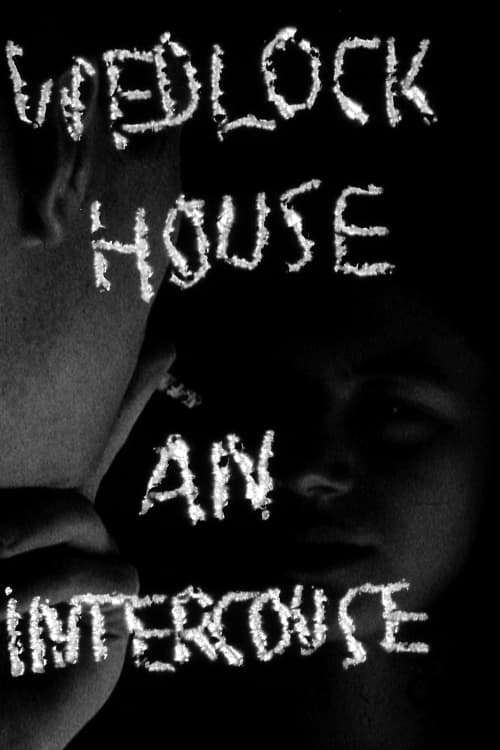
Wedlock House: An Intercourse
1959
No user ratings available yet
Representation score: 4.2 out of 10
No Poster Available
Representation Score
Limited
1966
NRDirector
Paul Sharits
Runtime
5 minutes
Average Rating
No ratings yetNew Showbiz Analysis
Paul Sharits' work prioritizes formalist aesthetics and the physical properties of film over traditional social realism. The film's diversity lies in its disruption of cinematic conventions and standard ways of experiencing human connections through fragmented time and space. Since the film focuses on flicker, form, and abstract frequencies, it lacks the explicit multi-layered character arcs or demographic variety found in narrative cinema. It functions as a progressive deconstruction of media rather than a study of social identity. Ultimately, the work challenges conservative storytelling structures, but its refusal to engage with specific character-driven identities prevents a higher score in traditional representation categories.
Category Breakdown
The film breaks down traditional views of intimacy through fragmented, non-linear depictions. While it challenges typical heterosexual perspectives, it doesn't clearly show queer identities or non-traditional gender expressions.
Monochrome visuals and optical frequencies strip intimacy of traditional power dynamics. By showing perspectives simultaneously, the film avoids submissive clichés, though the focus on form limits character-driven roles.
The film uses pure abstraction and monochrome imagery. There is no indication of a cast or narrative focused on racial or ethnic identity.
The title suggests a focus on breaking down systemic conflicts. Its avant-garde approach challenges Western storytelling by emphasizing sensory experiences over institutional or religious messages.
The structuralist approach of the work shows no characters with visible or invisible disabilities.
Present on Screen
Limited or Absent
Official Synopsis
Blank color frequencies space out and optically feed into monochrome images of one lovemaking act which is seen simultaneously from both sides of its space and both ends of its time.
1959

1969
1982

1971
1965
1965
1967

1970
No reviews yet. Be the first to share your thoughts on this movie!
Use the rating form above to leave a star rating and optional review.