Tabula Rasa
1989
No user ratings available yet
Representation score: 0.7 out of 10
Representation Score
Fair
1982
Director
Peter Tscherkassky
Runtime
2 minutes
Average Rating
No ratings yetNew Showbiz Analysis
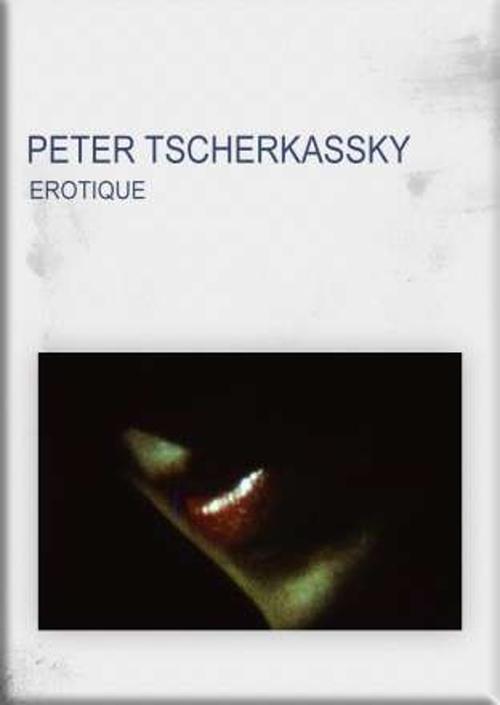
Erotique achieves its progressive impact through formalist deconstruction rather than demographic inclusion. By breaking down the integral body into cyclical fragments, the film disrupts traditional power dynamics of the cinematic gaze. The work challenges the viewer's ability to impose conventional social or gendered categories upon the subject, offering a sensory experience that moves away from traditional depictions of femininity and toward subjective interpretation. While the film lacks explicit representation of specific identities, its radical approach to the materiality of film offers a unique challenge to mainstream visual consumption.
Category Breakdown
The film avoids traditional romantic pairings and standard gendered courtship, creating space for non-cisgender interpretations of desire through fragmented scenes.
Tscherkassky denies viewers a complete body to categorize, fragmenting the female form into abstract textures that resist the idea of women as passive objects of desire.
Due to the highly abstract visual style, specific racial or ethnic identities are not identifiable. The focus on micro-details like lips and eyes prevents a definitive assessment of cast diversity.
The work prioritizes sensory experience over institutional frameworks, functioning as an anti-traditionalist piece that rejects the moralistic storytelling found in mainstream Western cinema.
The abstract and non-narrative nature of the film provides no specific evidence regarding the portrayal of physical or neurodivergent identities.
Present on Screen
Limited or Absent
Official Synopsis
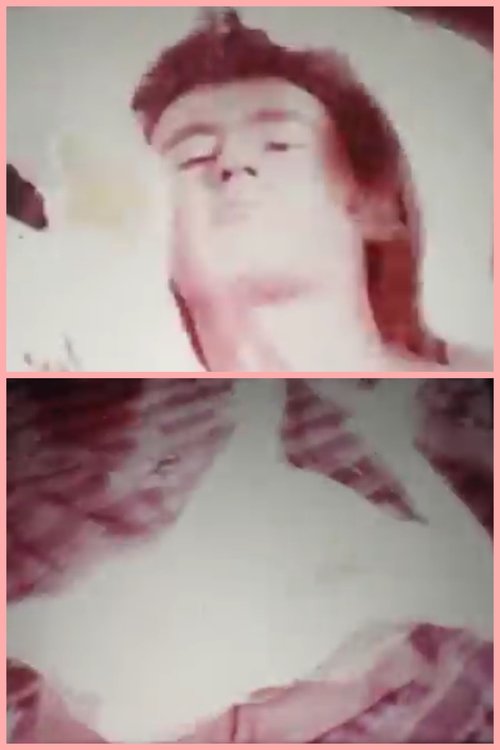
One can determine a line in Tscherkassky’s oeuvre which turns around a game with filmic presentation, with degrees of recognisability — with the only-just and the not-any-more. Just to see desire. An example of this is Erotique. One sees swirling pictures, parts of a woman’s face, red lips, eyes in cyclical fragments of movement. Often it is difficult to tell which part of the body one actually sees (whoever wants to can see/imagine/think sexual organs and sexual acts.) The gaze gets hung up on partial objects, no integral, whole body to think about. No body, whose representation was always one of the problems in cinema.
1989
2015

1983
1963
1982

1992
1999
2015
No reviews yet. Be the first to share your thoughts on this movie!
Use the rating form above to leave a star rating and optional review.