The Looking Glass War
1970
No user ratings available yet
Representation score: 2.5 out of 10
Representation Score
Limited
1965
NRDirector
Terence Young, Carlo Lizzani, Christian-Jaque, Werner Klingler
Runtime
113 minutes
Average Rating
No ratings yetNew Showbiz Analysis
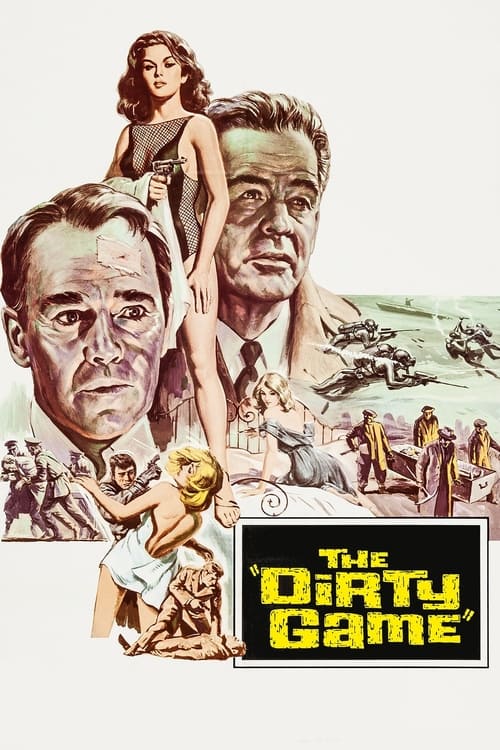
The Dirty Game is a period piece reflecting the geopolitical tensions of the Cold War era. Its anthology structure emphasizes state-level intelligence and nationalistic interests rather than individual identity or social subversion. The film relies on established power dynamics and traditional hierarchies. While the international settings provide a sense of transnational variety, the narrative remains anchored in Western institutional perspectives and masculine-coded leadership roles. Ultimately, the film upholds the conventional social and political norms of its time. It lacks the intentionality needed to challenge gendered or cultural archetypes, serving primarily as a reflection of mid-century espionage themes.
Category Breakdown
The film does not include any characters with non-binary gender identities or same-sex relationships. It follows the assumption that everyone is straight and cisgender, which was common in 1960s espionage films.
The story focuses on intelligence generals and spies, roles traditionally held by men. This emphasis reinforces traditional male authority and leadership.
The film features characters from various ethnic backgrounds through its Soviet, French, and Italian settings. However, this diversity likely reflects geographic realities rather than intentional efforts to represent multiple aspects of identity.
The story is told from a Western, U.S. intelligence perspective, operating within the conventional moral and political frameworks of the Cold War era.
There is no verifiable information about the portrayal of physically or neurodivergent characters. Therefore, no assessment of disability representation can be made.
Present on Screen
Limited or Absent
Official Synopsis
A U.S. intelligence general recalls three Cold War cases of Soviet, French and Italian spies.
1970
1969
1966

1965
1975
1970
1968
1965
No reviews yet. Be the first to share your thoughts on this movie!
Use the rating form above to leave a star rating and optional review.