Buffalo Bill: peaux rouges
1897
No user ratings available yet
Representation score: 0.8 out of 10
Representation Score
Minimal
1894
Director
William K.L. Dickson
Runtime
1 minutes
Average Rating
No ratings yetNew Showbiz Analysis
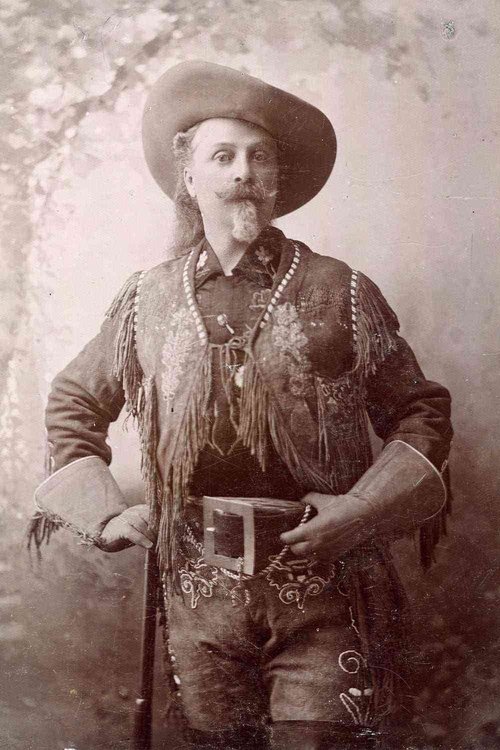
Buffalo Bill (1894) is a foundational piece of early documentary cinema that captures a brief exhibition of rifle shooting and trick riding. Because it lacks narrative depth, it does not explore complex social identities. The film operates within the rigid social structures of the late 19th century. It emphasizes masculine prowess and frontier ideals without challenging the era's demographic norms. Ultimately, the work serves as a historical record of performance rather than a narrative that engages with diverse perspectives or complex social issues.
Category Breakdown
The film does not depict any non-binary gender identities or same-sex relationships. It focuses solely on showcasing equestrian skills.
The movie centers around the masculine performance of Buffalo Bill Cody. It reinforces traditional gender roles by highlighting a single male figure as the master of his craft.
The film portrays a single white protagonist. It does not include any actors from diverse racial or ethnic backgrounds.
The work adheres to traditional 19th-century Western themes. It celebrates individual skill and frontier life without addressing complex cultural issues.
There is no evidence of performers with visible or invisible disabilities in this short recording.
Present on Screen
Limited or Absent
Official Synopsis
The famous army scout in an exhibition of rifle shooting. A fine picture of the principal, and beautiful smoke effects.
1897
1894
1894
1899
1894

1999
1896
1900
No reviews yet. Be the first to share your thoughts on this movie!
Use the rating form above to leave a star rating and optional review.