Bucking Broncho
1894
No user ratings available yet
Diversity score: 1.1 out of 10
1894
Not RatedDirector
William Heise, William K.L. Dickson
Runtime
1 minutes
Average Rating
No ratings yetSynopsis
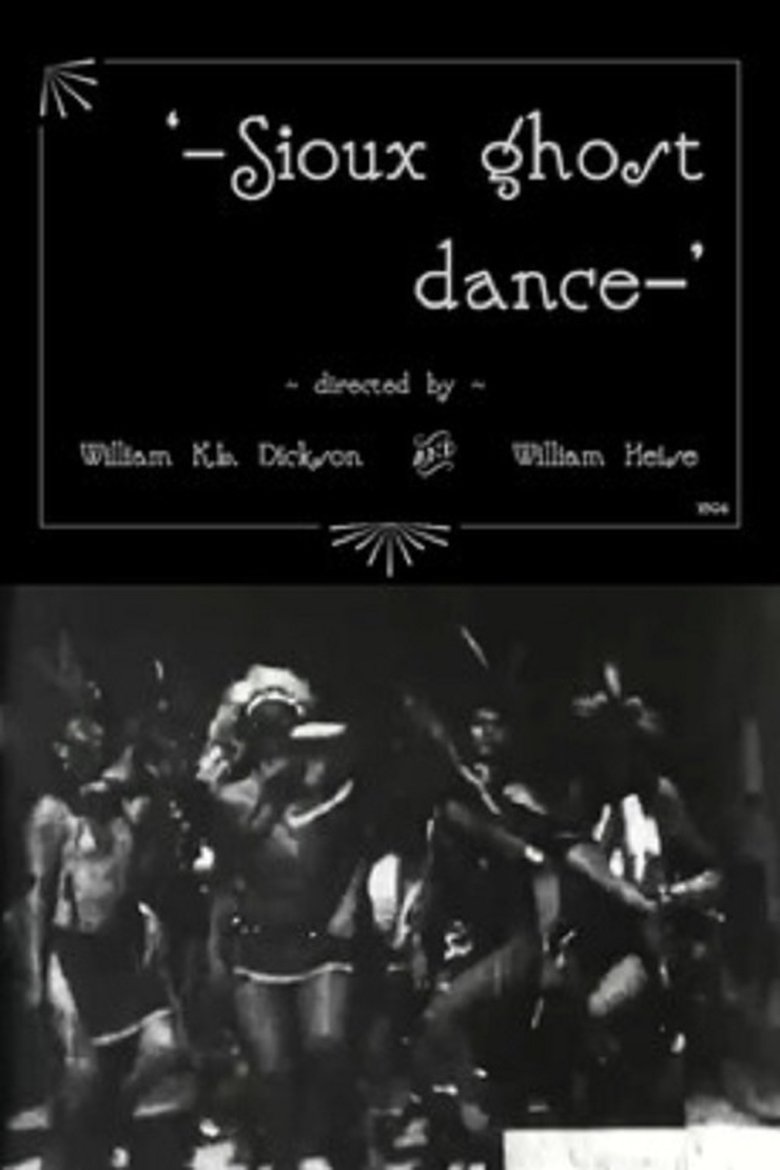
From Edison films catalog: One of the most peculiar customs of the Sioux Tribe is here shown, the dancers being genuine Sioux Indians, in full war paint and war costumes. 40 feet. 7.50. According to Edison film historian C. Musser, this film and others shot on the same day (see also Buffalo dance) featured Native American Indian dancers from Buffalo Bill's Wild West show, and represent the American Indian's first appearance before a motion picture camera.
Overall Score
Good
Category Breakdown
LGBTQ+ Representation
The film is a non-narrative, observational recording of a ritualistic dance. No LGBTQ+ characters, romantic pairings, or gender-nonconforming identities are depicted.
Gender Representation
Traditional gender hierarchies cannot be measured due to the lack of dialogue or character agency. While dancers wear traditional attire, the absence of narrative prevents an assessment of gendered power dynamics.
Racial & Ethnic Diversity
The film provides a significant historical instance of Native American agency. Featuring genuine Sioux individuals performing the Ghost Dance disrupts the era's tendency toward white-centric content.
Religious & Cultural Diversity
The footage documents the Ghost Dance, centering a non-Western religious framework. This provides a window into a culture existing outside of Western institutional norms.
Disability Representation
There are no identifiable depictions of physical or neurodivergent disabilities within the visual evidence.
Strengths
Areas for Improvement
AI Analysis
This 1894 documentary serves as a foundational ethnographic record rather than a narrative work. Its primary value lies in its historical documentation of indigenous spiritual practices through the lens of early motion picture technology. The film offers high ethnic visibility by featuring Sioux dancers from Buffalo Bill's Wild West show. This presence challenges the era's standard of Western homogeneity, even if the filmmakers' perspective is shaped by a colonial context. Because the work lacks a scripted narrative, it cannot explore complex intersectional identities or social subversion. It functions as a visual record of ritual rather than a tool for active social critique.
No reviews yet. Be the first to share your thoughts on this movie!
Use the rating form above to leave a star rating and optional review.