The Tougher They Come
1950
No user ratings available yet
Representation score: 0.5 out of 10
Representation Score
Minimal
1946
NRDirector
William H. Pine
Runtime
69 minutes
Average Rating
No ratings yetNew Showbiz Analysis
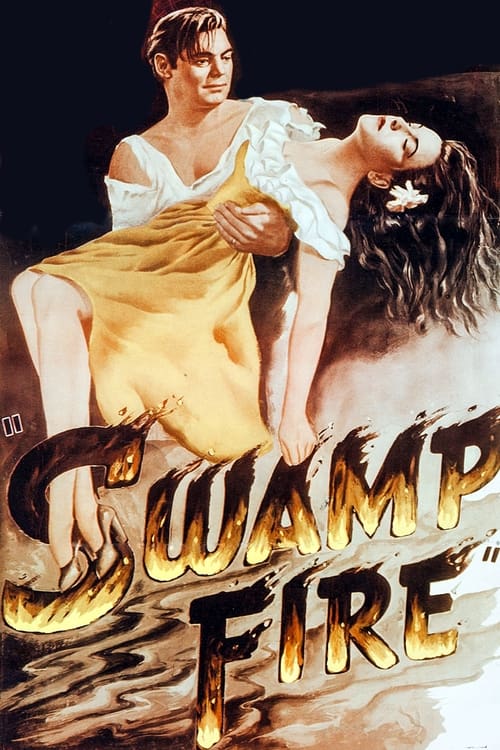
Swamp Fire is a mid-century pulp adventure that adheres strictly to the social and narrative hierarchies of 1940s B-movies. The plot focuses on a localized rivalry between two men, utilizing traditional genre clichés of vengeance and property disputes. The film offers almost no disruption to conventional character archetypes. It relies on established power dynamics where male leads drive the action and female characters occupy secondary, relationship-defined roles. Ultimately, the production functions as a standard genre piece of its era. It lacks perspectives that reflect multiple aspects of identity and does not attempt to challenge the era's prevailing social norms or racial homogeneity.
Category Breakdown
The film contains no LGBTQ+ characters or themes. Romantic tension is confined to a traditional heterosexual triad involving the protagonist and two women.
The film focuses on male characters who drive the physical action. Female characters primarily serve as objects of affection or catalysts for the protagonist's social shifts.
The cast is largely homogeneous, reflecting 1940s casting standards. The film lacks meaningful representation or nuanced exploration of its Cajun setting.
The story follows a conventional Western framework centered on individualist conflict and property rights. It avoids critiquing institutional structures or exploring moral relativism.
A serious accident is used as a plot device to move characters, but disability has little control over what happens to them. There are no depictions of neurodivergence or chronic illness.
Present on Screen
Limited or Absent
Official Synopsis
Buster Crabbe and Johnny Weissmuller battle it out in Cajun country! Johnny, a riverboat pilot on the Mississippi, is seduced away from his fiance (Carol Thurston) by a rich outsider (Virginia Grey) who's nursed him back to health after a serious accident. She owns a large piece of the swamp and has outlawed hunting on her property. His rival Mike (Crabbe) is a trapper who harbors deep resentment for Johnny and his new wealthy friends. When he feels Johnny is responsible for the hunting ban, he resorts to destructive acts of vengeance.
1950
1930

1952
1954
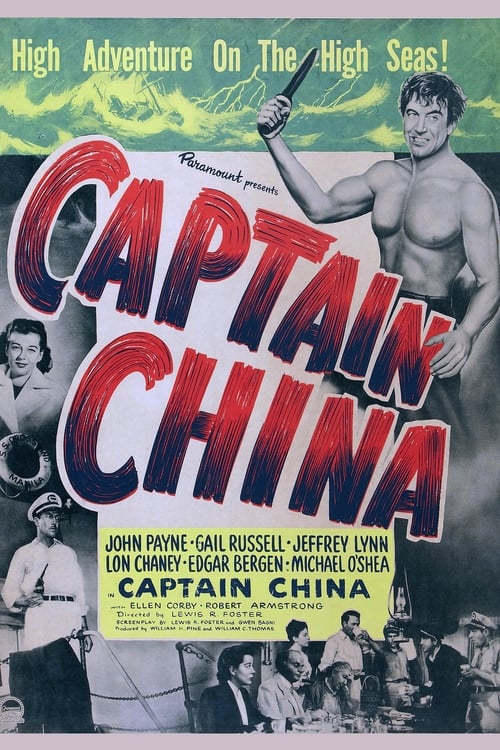
1950
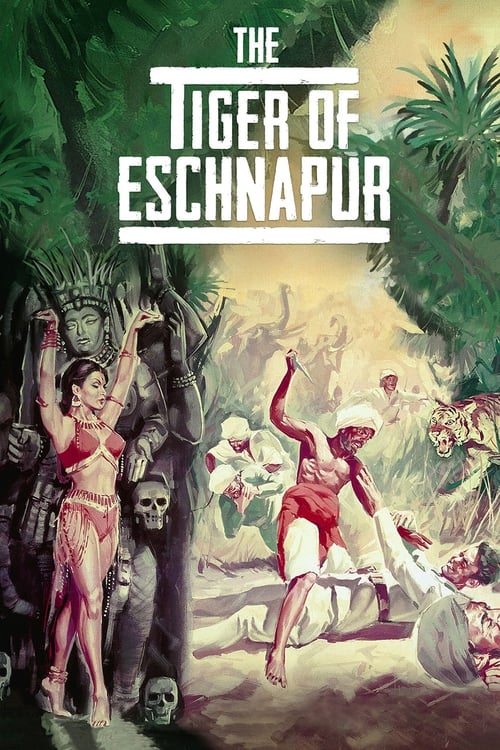
1959
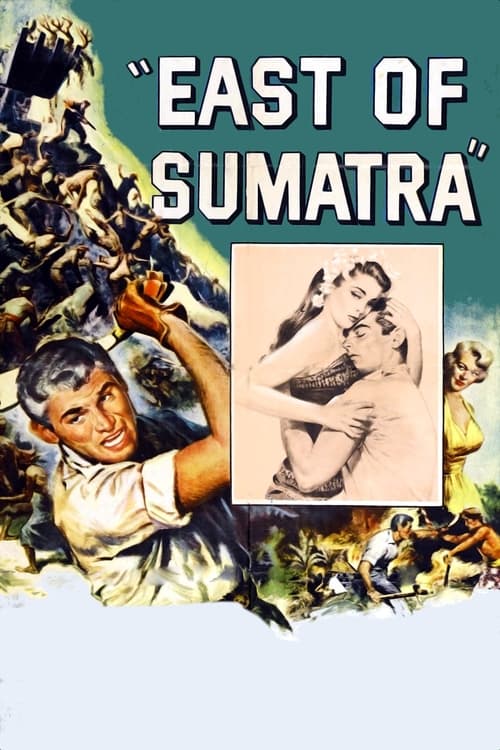
1953
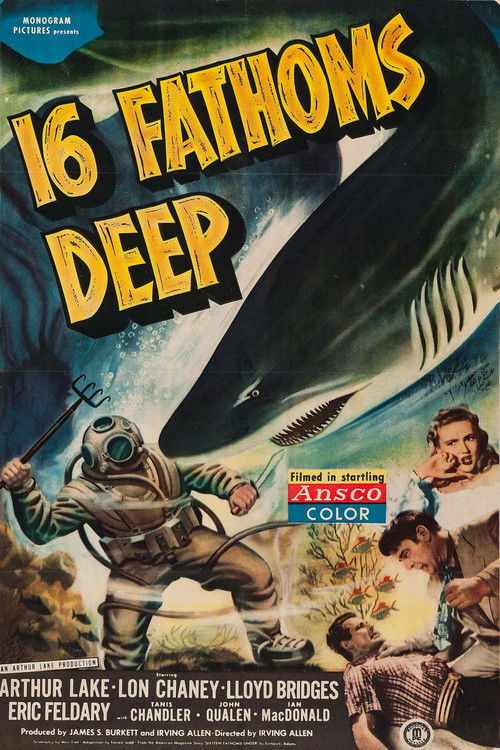
1948
No reviews yet. Be the first to share your thoughts on this movie!
Use the rating form above to leave a star rating and optional review.