
The Twist
1976
No user ratings available yet
Representation score: 4.9 out of 10
Representation Score
Good
1963
Director
Marcel Carné
Runtime
109 minutes
Average Rating
No ratings yetNew Showbiz Analysis
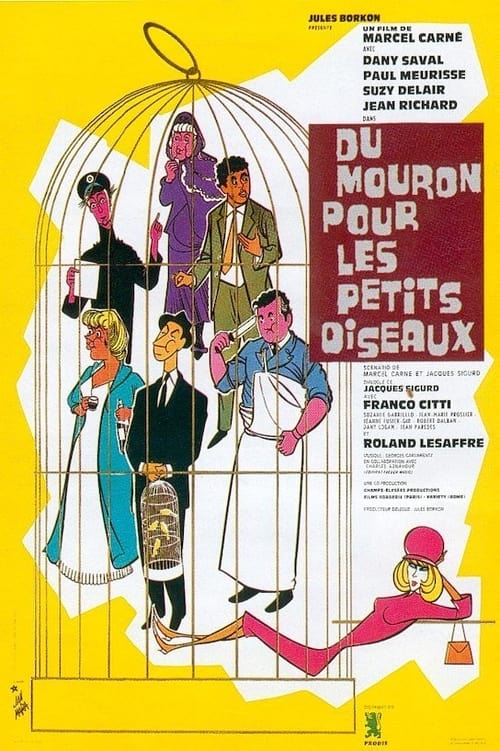
Marcel Carné’s film functions as a character study of a fragmented social ecosystem within a Parisian apartment building. It utilizes a closed-door structure to examine a micro-society composed of disparate social identities and occupations. The film presents a tapestry of non-traditional life paths, moving beyond simple moral archetypes. By focusing on the secrets and complexities of its residents, it offers a nuanced look at class and personal eccentricity. However, the representation remains largely confined to European social frameworks, lacking significant racial and non-Western diversity.
Category Breakdown
The film explores fluid romantic and mystical connections through various characters. While no explicit LGBTQ identities are confirmed, the focus on urban social interactions suggests a departure from traditional domestic structures.
Female characters include a nightclub hostess, a concierge, and a woman with a physical disability. Describing the paralytic woman as 'alert' suggests a level of cognitive ability to act.
The presence of an Italian gigolo introduces ethnic plurality to the Parisian setting. However, the cast appears largely centered on European social archetypes without significant non-Western representation.
The narrative deconstructs a unified moral community by focusing on characters with troubled histories. It prioritizes the messy, lived realities of the working class over an idealized social order.
The inclusion of an 'alert paralytic woman' serves as a notable narrative marker. This characterization moves the portrayal away from pure tragedy toward a more nuanced depiction of life with a disability.
Present on Screen
Limited or Absent
Official Synopsis
In a building close to the Place de la Contrescarpe in Paris, a tale of criss‑crossings in turn romantic, gourmet, interested or mystical, between an Italian gigolo and a nightclub hostess, a family of butchers and an apprentice rocker, a mystic tailor, a writer sending himself telegrams, an alert paralytic woman, a thoughtful concierge, a bird breeder and a just‑out‑of‑jail hooligan. Little by little each one discovers each other’s more or less troubled history… when a mysterious death introduces the Police within this huis clos, hastens disclosure of well‑kept secrets and ruffle this little World.
1976
1966
1939

1979

1966

1966
1977
1955
No reviews yet. Be the first to share your thoughts on this movie!
Use the rating form above to leave a star rating and optional review.