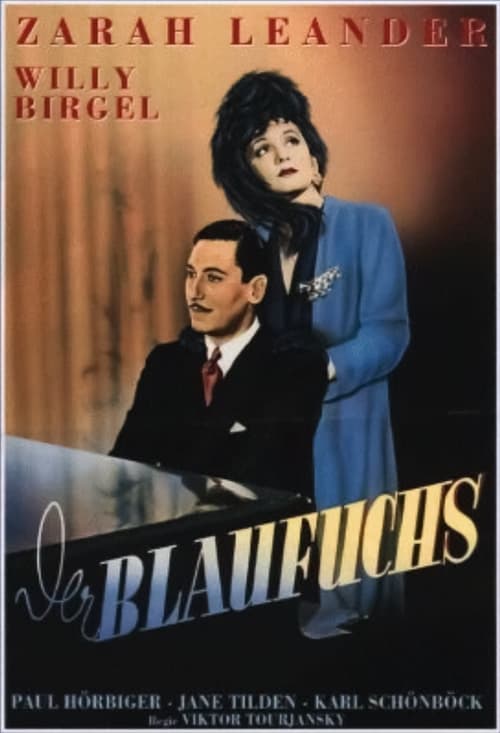
Der Blaufuchs
1938
No user ratings available yet
Diversity score: 2.7 out of 10
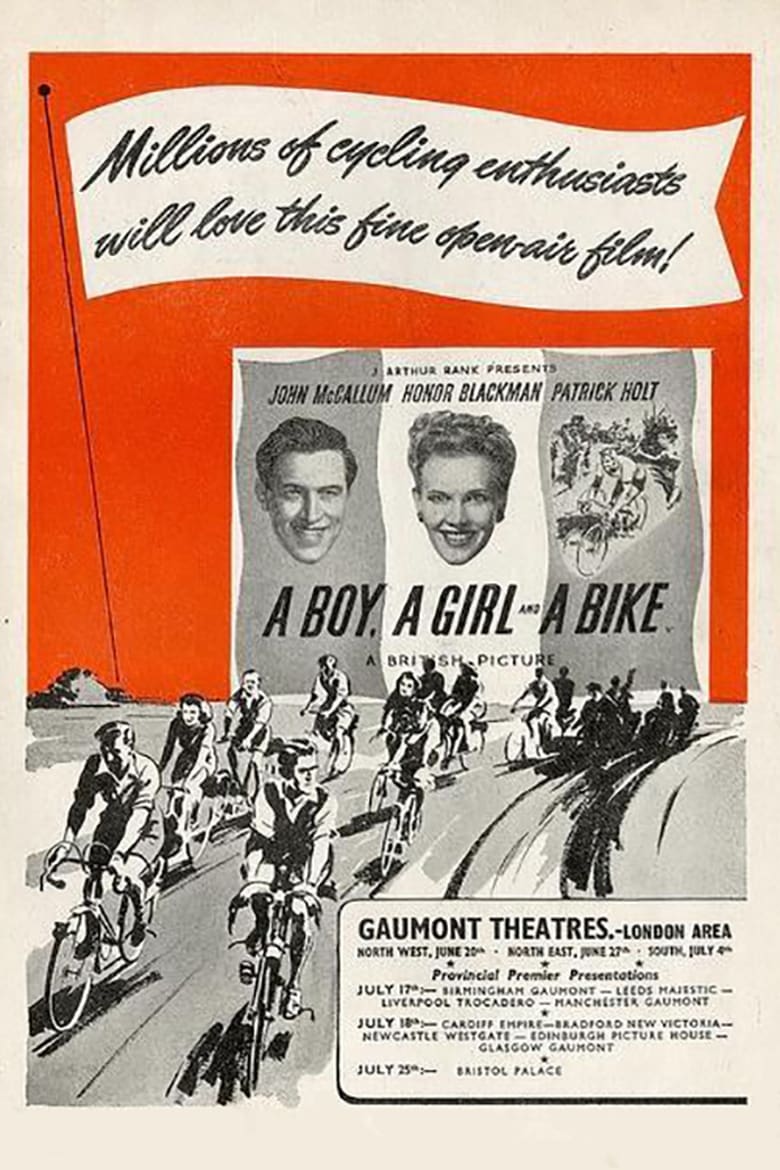
1949
Director
Ralph Smart
Runtime
92 minutes
Average Rating
No ratings yetSynopsis
The lives of the members of a West Yorkshire cycling club are complicated by romantic entanglements and a series of bike thefts.
Overall Score
Limited
Category Breakdown
LGBTQ+ Representation
The film operates within a strictly heteronormative framework typical of 1949. There is no evidence of non-cisnormative identities or any narrative critique of traditional courtship.
Gender Representation
The story focuses on romantic entanglements that likely rely on period-specific gendered tropes. While women may show wit, the film reinforces traditional social hierarchies and courtship rituals.
Racial & Ethnic Diversity
Set in West Yorkshire, the film likely features a highly homogeneous cast. It lacks intersectional racial dynamics, reflecting the demographic reality of post-war British community stories.
Religious & Cultural Diversity
The narrative emphasizes conventional morality and community cohesion through a local social club. It adheres to traditional Western social values rather than offering systemic critiques.
Disability Representation
There is no evidence of characters with physical or neurodivergent disabilities being included or portrayed in this production.
Strengths
Areas for Improvement
AI Analysis
A Boy, a Girl and a Bike is a product of its time, functioning as a conventional social comedy that upholds the established hierarchies of post-war Britain. The narrative structure centers on a localized West Yorkshire cycling club, focusing on lighthearted social friction rather than challenging social norms. The film lacks meaningful diversity, presenting a homogeneous view of British life. It adheres to the heteronormative and traditionalist cinematic standards prevalent in 1949, offering little representation for marginalized identities or non-traditional social structures. Ultimately, the film serves as a snapshot of mid-century social values, prioritizing community cohesion and traditional romantic dynamics over any form of cultural or identity-based disruption.
1938
1940
1967
2005
1954
2002

1950
No reviews yet. Be the first to share your thoughts on this movie!
Use the rating form above to leave a star rating and optional review.