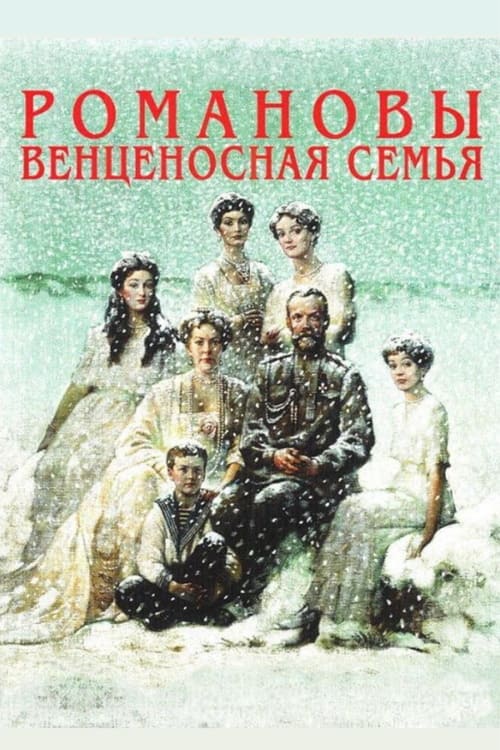
The Romanovs: A Crowned Family
2000
No user ratings available yet
Representation score: 2.0 out of 10
Representation Score
Minimal
2016
Director
Eva Gerberding
Runtime
52 minutes
Average Rating
No ratings yetNew Showbiz Analysis
This historical reconstruction focuses on accurately depicting the events of the Romanov era. It prioritizes traditional power dynamics over contemporary social issues. The narrative is centered on the political upheaval surrounding Rasputin and the Imperial court, emphasizing established power structures. The film operates as a traditional biography, highlighting class dynamics and religious influence within a specific imperial context. It does not incorporate modern multi-layered complexities or narrative disruptions.
Category Breakdown
The film does not include any LGBTQ+ characters or narratives. It focuses solely on the traditional power structures of the Russian Imperial court.
Czarina Alexandra Feodorovna is a central figure of influence. However, her power is portrayed through religious mysticism and domesticity rather than challenging traditional gender roles.
The story centers around the Romanov dynasty and the peasant class. It emphasizes class struggle and historical localization rather than diverse casting approaches.
The film explores the intersection of religious influence and the collapse of monarchy. It focuses on historical political assassinations rather than modern deconstructions of morality or secularism.
There are no characters with physical or neurodivergent disabilities featured in the historical narrative.
Present on Screen
Limited or Absent
Official Synopsis
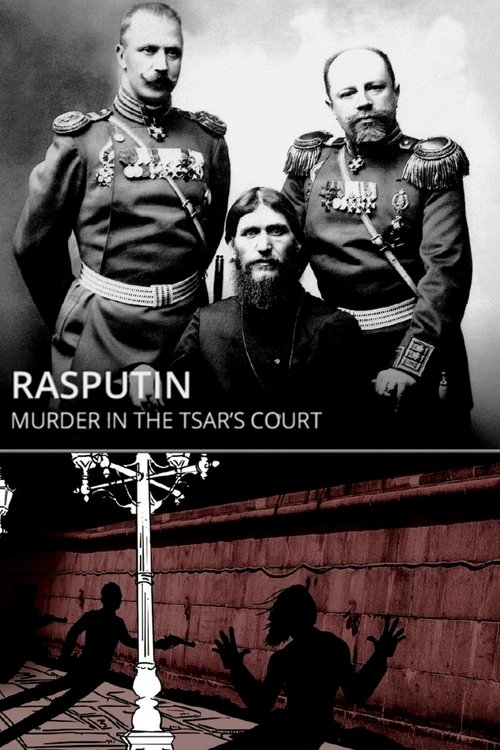
St. Petersburg, Russia, December 30th, 1916. Grigori Rasputin is assassinated. The story of the humble peasant who became the most influential adviser to czarina Alexandra Feodorovna, wife of the last czar, Nicholas II Romanov.
2000
2014
1991

2006
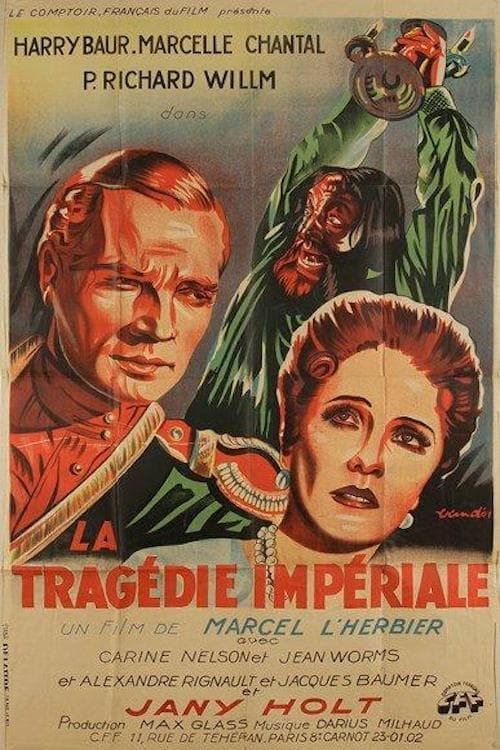
1938

2010

2020
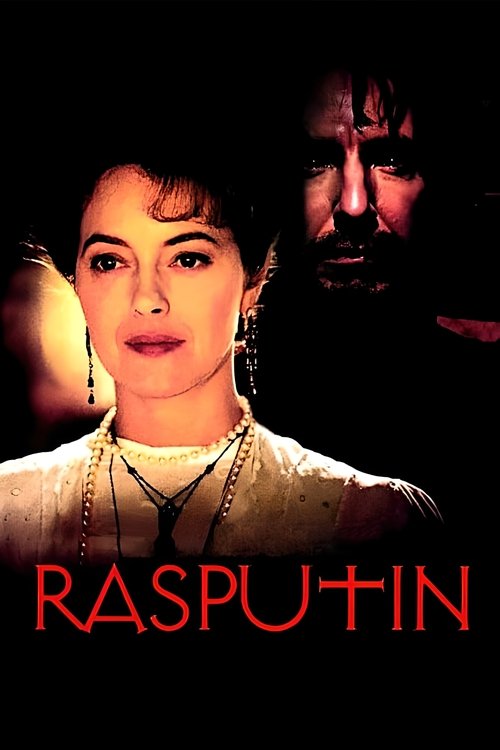
1996
No reviews yet. Be the first to share your thoughts on this movie!
Use the rating form above to leave a star rating and optional review.