
The Ashes
1965
No user ratings available yet
Representation score: 5.1 out of 10
Representation Score
Limited
1973
Director
Andrzej Wajda
Runtime
102 minutes
Average Rating
No ratings yetNew Showbiz Analysis
Andrzej Wajda’s film is a sophisticated psychological tapestry that uses a dreamlike narrative to dissect Polish national identity. It succeeds by challenging class hierarchies and critiquing the ineffective intellectual elite through a post-colonial lens. However, the film lacks modern demographic diversity. It focuses on a culturally homogeneous historical setting without LGBTQ+ representation or visible disabilities, reflecting its specific historical and nationalist focus. Ultimately, the work finds its strength in intellectual critique rather than demographic variety, using the wedding as a site of profound social and existential tension.
Category Breakdown
The film is set in a historical and folkloric context without explicit LGBTQ+ characters or non-straight relationships.
Women play central roles in the film, embodying the raw energy of the peasantry and challenging the detached intellectualism of the male characters.
The film portrays a culturally homogeneous society in turn-of-the-century Poland, lacking modern racial diversity and focusing instead on class differences.
The film effectively critiques traditional power structures and explores the collective national psyche through folklore and ghostly apparitions.
There are no prominent depictions of physical or neurodivergent disabilities used as central plot devices.
Present on Screen
Limited or Absent
Official Synopsis
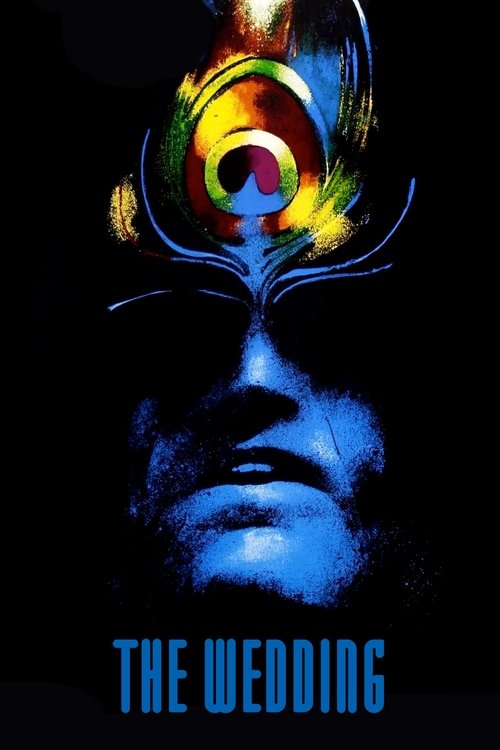
Set at the turn of the century, the story concerns a Polish poet living in Cracow who has decided to marry a peasant girl. The wedding is attended by a heterogenous group of people from all strata of Polish society, who dance, get drunk and lament Poland's 100-year-long division under Russia, Prussia, and Austria. The bridegroom, a painter friend, and a journalist each in turn is confronted with spectres of Polish past.
1965

2002

1991

1999
1970
1999
1952
1987
No reviews yet. Be the first to share your thoughts on this movie!
Use the rating form above to leave a star rating and optional review.