
Electra, My Love
1974
No user ratings available yet
Representation score: 4.3 out of 10
Representation Score
Fair
1969
Director
Vasilis Fotopoulos
Runtime
90 minutes
Average Rating
No ratings yetNew Showbiz Analysis
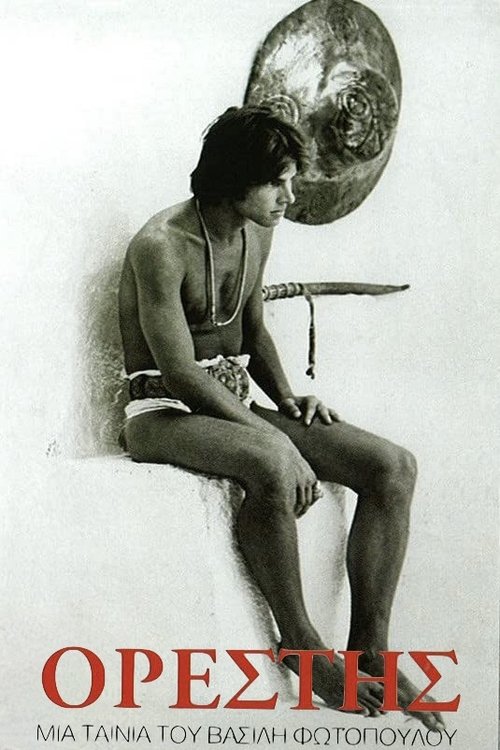
Orestes (1969) is a cinematic adaptation of Euripides’ classical tragedy that emphasizes moral ambiguity and systemic conflict. The film stands out by elevating its characters beyond typical roles, especially in its handling of gender and justice issues. While the production remains ethnically uniform due to its historical context, it delves deeply into the complexities of social structures. The narrative transcends simple revenge to explore the weight of collective judgment. Overall, the film’s strength lies in its subversion of traditional roles, despite being confined by the social norms of its classical subject matter.
Category Breakdown
The film focuses on the family conflicts of the House of Atreus, which are rooted in traditional heterosexual relationships. There is no mention of LGBTQ+ identities or any critique of the assumption that everyone is straight or cisgender.
The story challenges the dominance of men by highlighting the strategic role of women. Electra is portrayed as a key figure who supports Orestes in navigating his crisis.
As a production of ancient Greek mythology, the casting reflects the ethnic makeup of the time. It does not include actors from diverse backgrounds to challenge historical norms.
The film examines the tension between personal beliefs and societal laws. It questions established social orders through Orestes' struggle against the collective judgment of Argos.
The film does not provide any information about the depiction of physical or cognitive disabilities.
Present on Screen
Limited or Absent
Official Synopsis
The third part of Euripides’ trilogy relates Orestes’ confrontation with the people of Argos after killing his mother Clytemnestra and her lover Aegisthus, and his struggle to defend himself and his heritage – with the support of his sister, Electra.
1974
1967

1963

1975
1990
1957
1968

1962
No reviews yet. Be the first to share your thoughts on this movie!
Use the rating form above to leave a star rating and optional review.