
Love Affair, or the Case of the Missing Switchboard Operator
1967
No user ratings available yet
Representation score: 5.8 out of 10
Representation Score
Fair
1973
PGDirector
Alan J. Pakula
Runtime
110 minutes
Average Rating
No ratings yetNew Showbiz Analysis
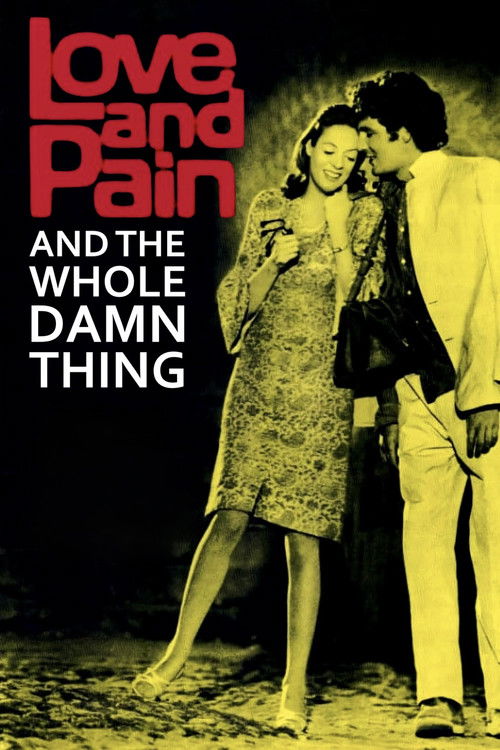
Love and Pain and the Whole Damn Thing is an intimate character study set in Spain, emphasizing interpersonal dynamics and the interplay of age and class. While it provides a female lead with autonomy and control, the narrative remains conventional in its romantic structure. The Spanish setting offers a non-Western backdrop, but the film lacks detailed exploration of multi-layered complexity or radical institutional critique.
Category Breakdown
The story focuses on a heterosexual relationship between a young man and a middle-aged woman. There are no representations of non-straight or non-cisgender identities or critiques of the assumption that everyone is straight or cisgender.
Lila, a secretive and resistant protagonist, holds significant control over her actions and emotions. This portrayal avoids the stereotype of a passive female character and challenges typical romantic expectations.
The film is set in the Spanish countryside, offering a non-Anglo-Saxon environment. However, without specific casting information, it is hard to assess the depth of ethnic representation.
The film examines social class through the contrast between an aimless son and a proper woman. It suggests a move away from idealized views of social stability.
There is no indication of characters with visible or invisible disabilities within the film.
Present on Screen
Limited or Absent
Official Synopsis
While bicycling through the Spanish countryside, Walter, the aimless young son of a doctor, makes the acquaintance of proper, middle-aged, clumsy and secretive Lila. He falls in love with her, but she is resistant.
1967
1964

1965

1971
1973
1965
2017
1973
No reviews yet. Be the first to share your thoughts on this movie!
Use the rating form above to leave a star rating and optional review.