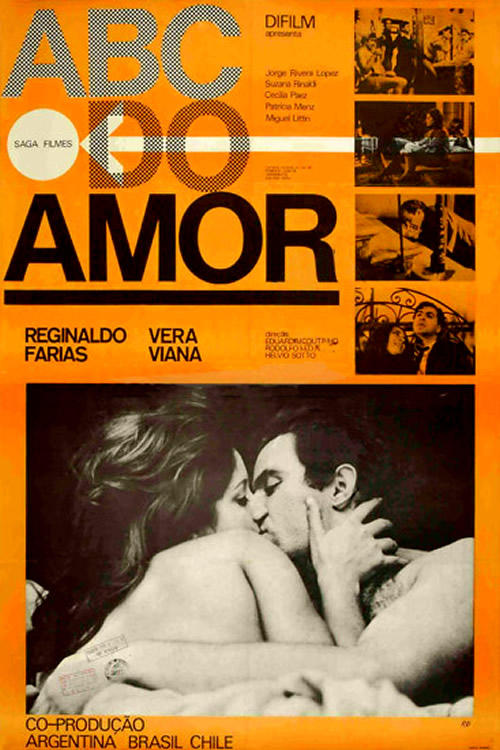
The ABC of Love
1967
No user ratings available yet
Representation score: 5.1 out of 10
Representation Score
Fair
1973
Director
Sergio Véjar
Runtime
90 minutes
Average Rating
No ratings yetNew Showbiz Analysis
Sergio Véjar’s anthology uses a fragmented structure to examine the instability of romantic bonds. By focusing on intimacy and infidelity, the film challenges monolithic views of domestic life and traditional social structures. The work offers a nuanced look at human ability to act and situational ethics. It moves away from idealized romance to explore the messy realities of modern connections. However, the film's impact is limited by a lack of specific character details regarding non-straight-centered identities and disability. The exploration remains largely centered on the complexities of interpersonal infidelity.
Category Breakdown
The film explores themes of infidelity and unconventional relationships. Although there are no confirmed LGBTQ+ characters, the focus on these themes suggests a departure from typical marital clichés.
By focusing on the tension in romantic partnerships, the film likely challenges traditional household structures. It highlights the emotional complexities and active roles of characters dealing with infidelity.
As a Mexican production, the film offers a non-Western perspective on social norms. It provides a valuable alternative to Anglo-Saxon cinematic conventions.
The anthology format emphasizes personal desires over moral instruction. This approach deconstructs the sanctity of marriage through a secular, postmodern lens.
There is no evidence that disability plays a central thematic role or features prominently in the character arcs.
Present on Screen
Limited or Absent
Official Synopsis
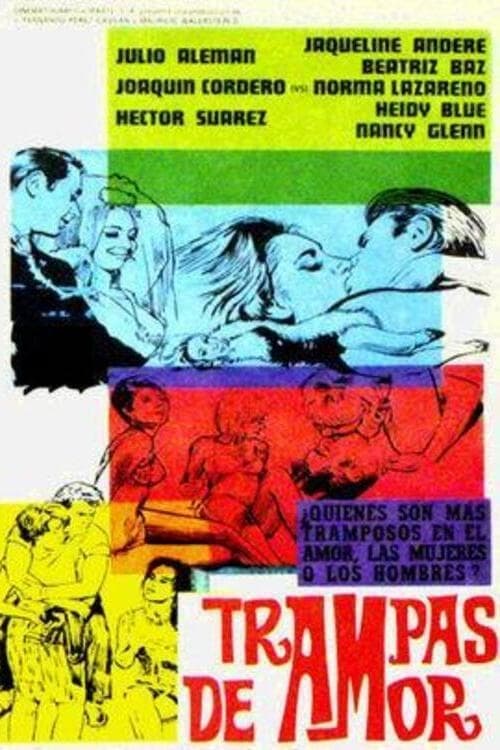
Three short films about intimacy, infidelity and life as a couple (or almost)
1967

1999
1973
1963
1965
1969

2006
2007
No reviews yet. Be the first to share your thoughts on this movie!
Use the rating form above to leave a star rating and optional review.