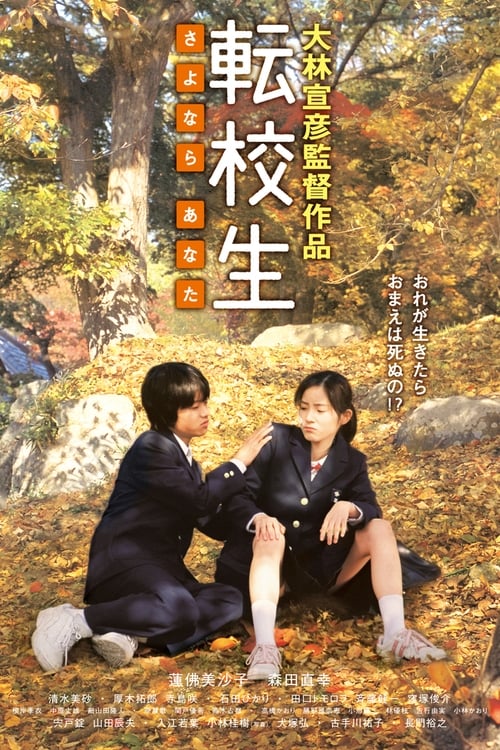
Switching – Goodbye Me
2007
No user ratings available yet
Representation score: 3.9 out of 10
Representation Score
Fair
1982
Director
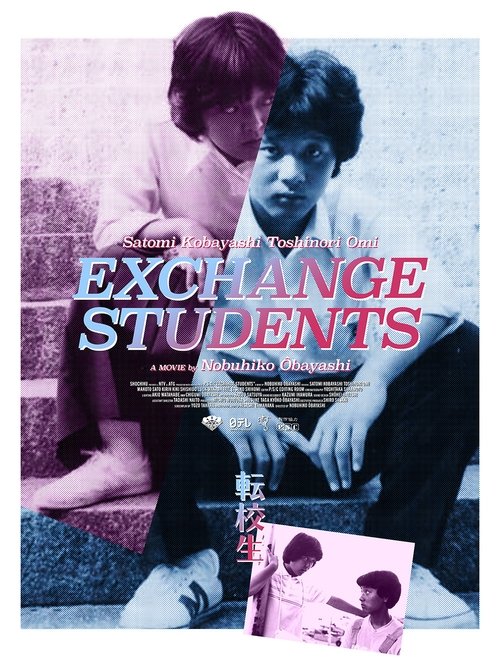
Nobuhiko Obayashi
Runtime
113 minutes
Average Rating
No ratings yetNew Showbiz Analysis
Nobuhiko Obayashi’s film uses magical realism to question the stability of personal identity. By focusing on the blurring of boundaries between individuals, the film challenges traditional social norms. Though the film doesn’t offer broad demographic diversity, it excels at disrupting conventional gender roles. The body-swap concept is used to explore how social roles are performed and how they can change. The work is deeply rooted in its Japanese setting, offering a thorough look into a specific cultural environment. It is an experimental piece that leans into thematic exploration.
Category Breakdown
The body-swap mechanic serves as a metaphor for the instability of gender identity. This allows for a deep exploration of how gender roles are performed and how they can shift.
The film challenges traditional views of masculinity and femininity by having characters switch genders. This highlights how social roles are not fixed but are instead performed based on context.
The movie is set in a small Japanese coastal town and focuses on a single cultural group. It provides a rich look into this specific community rather than featuring a diverse cast with various ethnicities.
The story revolves around a supernatural temple, which influences the plot without pushing religious beliefs. Instead, it uses spiritual themes to help characters grow and change.
The story does not center on physical or neurological disabilities. There are no main characters with disabilities featured in the narrative.
Present on Screen
Limited or Absent
Official Synopsis
9th-graders Kazuo and Kazumi take a tumble at a temple in a small seacoast town in Japan. Through supernatural intervention, their minds and bodies are switched, and the result is a touching and hilarious coming-of-age comedy as they attempt to survive the pressures of junior high school life.
2007
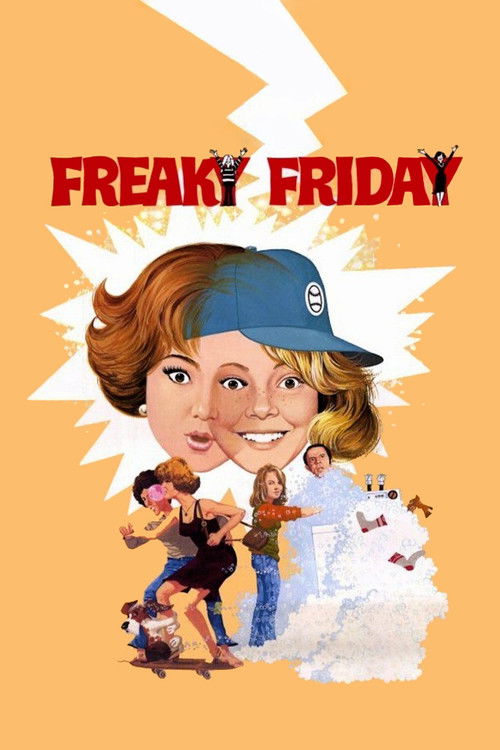
1976

1992

2000

2016

2019

2017
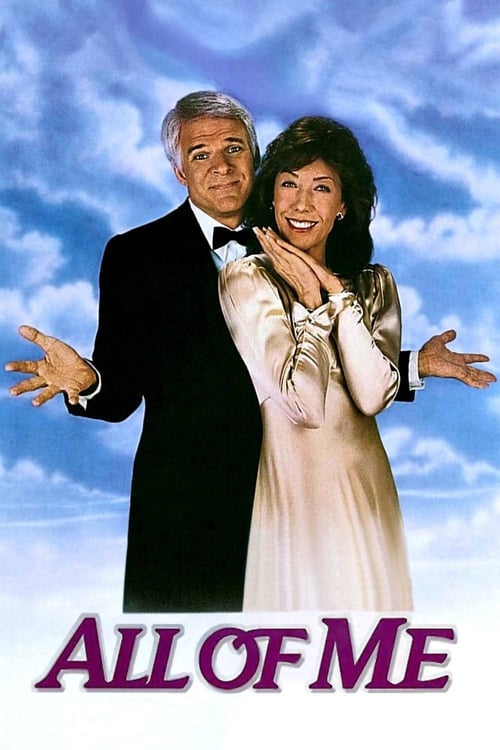
1984
No reviews yet. Be the first to share your thoughts on this movie!
Use the rating form above to leave a star rating and optional review.