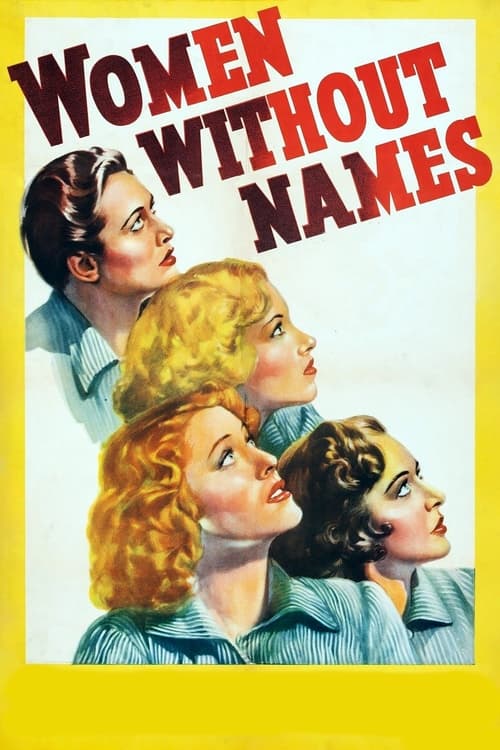
Women Without Names
1940
No user ratings available yet
Representation score: 0.6 out of 10
Representation Score
Minimal
1939
NRDirector
Victor Halperin
Runtime
62 minutes
Average Rating
No ratings yetNew Showbiz Analysis
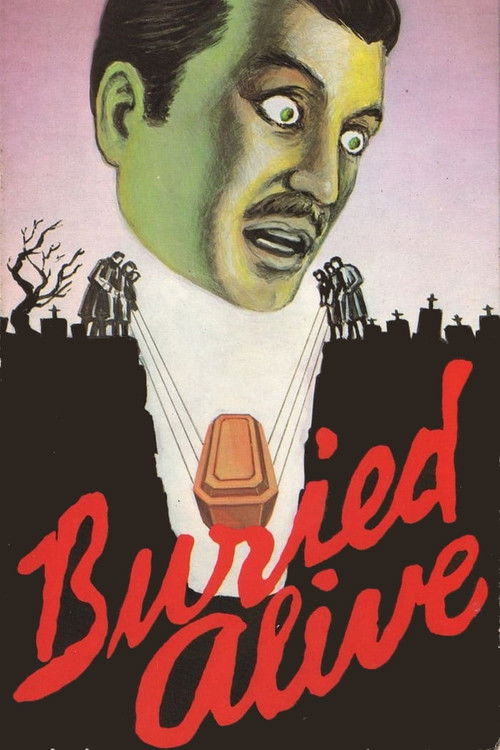
Buried Alive is a product of 1939 cinematic conventions, focusing on traditional crime-drama clichés. The narrative structure prioritizes masculine archetypes of honor and legal consequence over social subversion. The film lacks intentionality regarding identity-based hierarchies. It functions as a character study of individual grievance within a structured legal framework, offering little in the way of diverse representation. Ultimately, the work reflects the homogeneous casting and social norms typical of its era, providing a narrow view of the human experience.
Category Breakdown
The film does not depict non-straight or non-cisgender identities or same-sex intimacy. It adheres strictly to the straight-centered social constraints of the late 1930s.
The plot focuses on male-dominated spheres such as the prison system and the role of the executioner. Romance is a genre element, but the primary drivers are men’s control over the story and their struggles.
The narrative reflects the era's standard of limited racial visibility. There is no evidence of characters reflecting multiple aspects of diversity or characters of color within this localized crime drama.
The story explores justice and media fallibility through a personal tragedy. It follows a traditional trajectory of individual grievance rather than critiquing Western institutions.
There is no evidence regarding the portrayal of physical or neurodivergent disabilities in this production.
Present on Screen
Limited or Absent
Official Synopsis
A prison trustee rescues a despondent executioner from a bar-room brawl, and is blamed for the fight by a tabloid reporter who actually started it, and loses parole, becomes embittered, and gets blamed for murder of guard.
1940
1958
1939
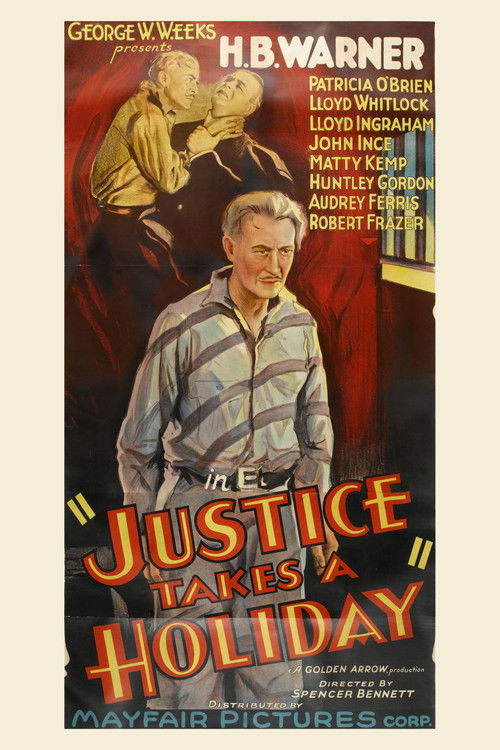
1933
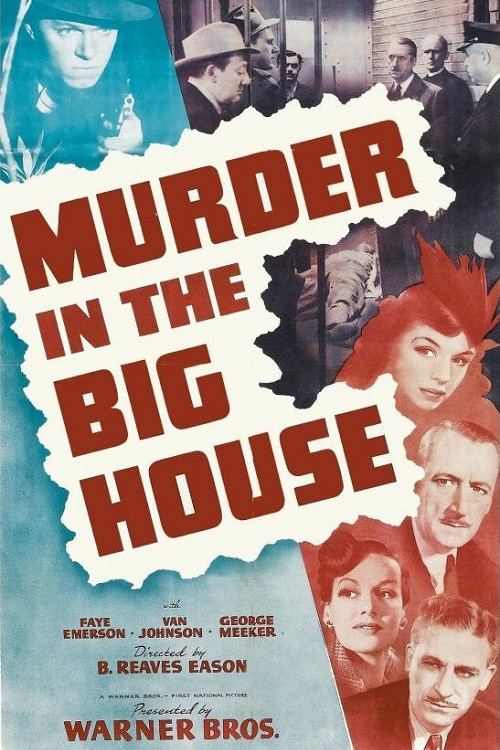
1942
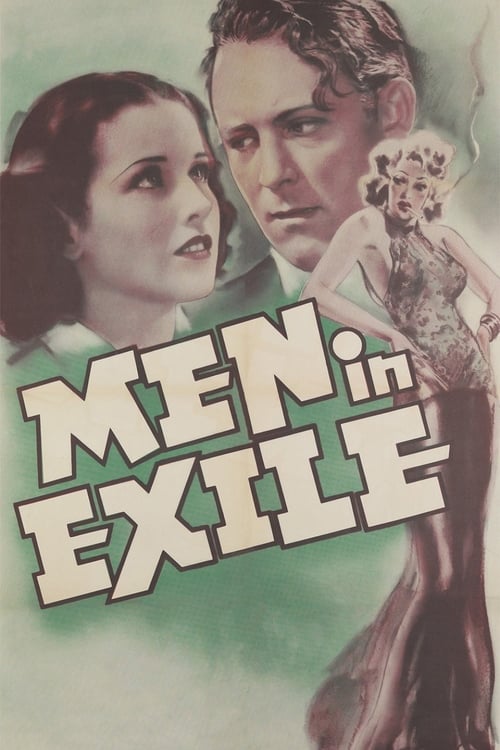
1937
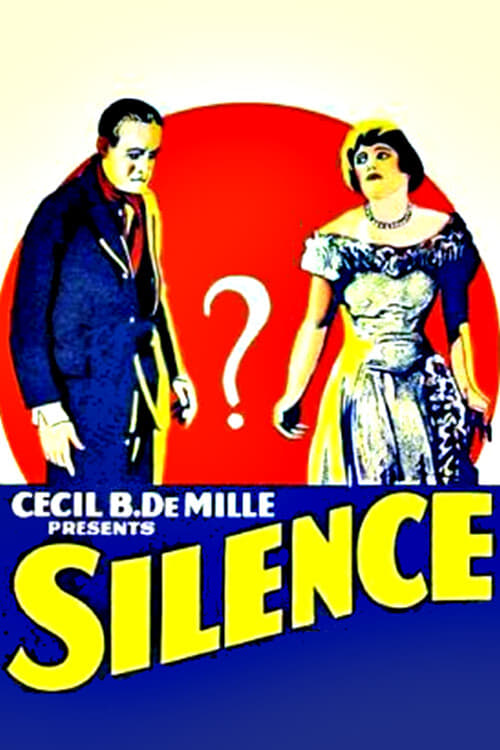
1926
1937
No reviews yet. Be the first to share your thoughts on this movie!
Use the rating form above to leave a star rating and optional review.