Pupendo
2003
No user ratings available yet
Representation score: 4.5 out of 10
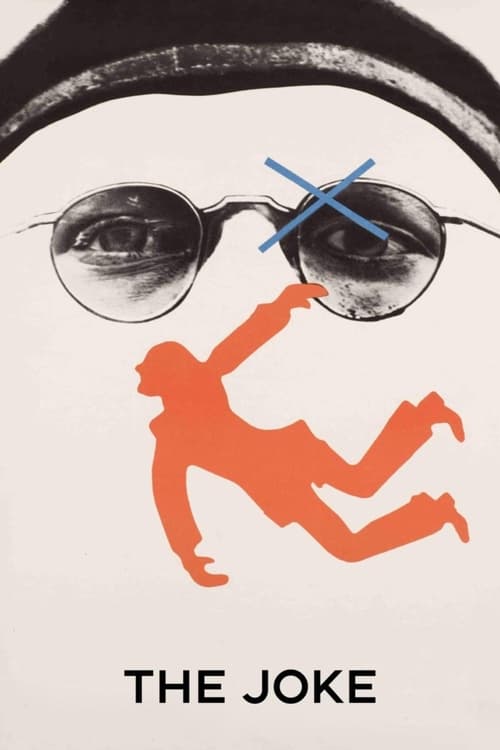
Representation Score
Limited
1969
Director
Jaromil Jireš
Runtime
77 minutes
Average Rating
No ratings yetNew Showbiz Analysis
The Joke serves primarily as a critique of institutional power rather than focusing on identity-based representation. It employs absurdist narrative techniques to illustrate how bureaucratic systems can dismantle an individual's life due to perceived ideological differences. Though the film lacks diversity in modern demographic categories such as race, disability, or LGBTQ+ identities, it provides significant social commentary. It challenges the stability of traditional authority by presenting the state as an irrational and destructive force. Ultimately, the film's strength lies in its portrayal of the individual's struggle against an irrational state, highlighting the fragility of reputation within an oppressive social order.
Category Breakdown
The film does not explicitly depict non-straight identities or same-sex relationships. The central conflict revolves around a misunderstood romantic note rather than exploring queer identity.
The narrative centers on the male protagonist's journey and his quest for control over his life. Female characters mainly act as catalysts for his psychological changes rather than challenging patriarchal structures.
The cast is ethnically uniform, reflecting the cultural context of 1950s and 60s Czechoslovakia. There is no intentional inclusion of diverse racial backgrounds.
The film critiques institutional authority and state rigidity through its portrayal of bureaucratic systems as irrational and oppressive. It highlights how minor social misunderstandings can lead to severe consequences.
There is no representation of physical, sensory, or neurodivergent disabilities in the narrative.
Present on Screen
Limited or Absent
Official Synopsis
In the 1950s, Ludvik Jahn was expelled from the Communist Party and the University by his fellow students, because of a politically incorrect note he sent to his girlfriend. Fifteen years later, he tries to get his revenge by seducing Helena, the wife of one of his accusers.
2003
1965
1978
1966
1989

1999
1992
1978
No reviews yet. Be the first to share your thoughts on this movie!
Use the rating form above to leave a star rating and optional review.