
What's Up Doc?
1985
No user ratings available yet
Representation score: 2.1 out of 10
Representation Score
Fair
2019
Director
Bohdan Karásek
Runtime
111 minutes
Average Rating
No ratings yetNew Showbiz Analysis
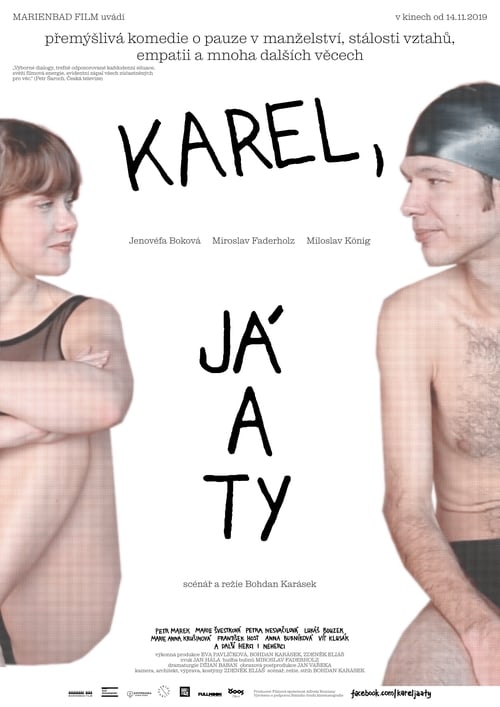
Karel, Me and You is a character-driven study of interpersonal instability. It succeeds in deconstructing the sanctity of traditional marriage by centering on Saša's autonomy and the fluidity of modern relationships. However, the film lacks breadth in its social representation. The cast appears homogeneous, and there is no explicit evidence of LGBTQ+ identities or disability representation within the narrative. Ultimately, the film functions as a critique of domestic permanence, prioritizing personal ability to act over institutional stability, even if it remains limited in its demographic scope.
Category Breakdown
The film explores companionship and shifting perspectives without confirming queer identities. However, it shows interest in non-traditional living arrangements, suggesting curiosity about non-monogamous structures.
Saša is a central figure who drives the story rather than being passive. Her decision to move out and seek autonomy challenges traditional domestic hierarchies and subverts submissive female roles.
The production features a homogeneous cast with no evidence of racial blending or diverse casting to challenge historical norms within this domestic setting.
The story deconstructs the nuclear family by framing marital collapse as a catalyst for personal exploration. It prioritizes individual truth over the preservation of traditional Western institutions.
The film provides no information or visible representation regarding characters with physical or invisible disabilities.
Present on Screen
Limited or Absent
Official Synopsis
Karel and Saša's marriage has reached a dead end, so Saša moves out of the house for a while. She finds temporary refuge with Dušan, an old acquaintance who once played at their wedding. Both of them, sometimes together, sometimes separately, explore the elusive topic of relationships and shed light on it from their opposite perspectives.
1985
1999
2003
2010

2019
2012

2001

1987
No reviews yet. Be the first to share your thoughts on this movie!
Use the rating form above to leave a star rating and optional review.