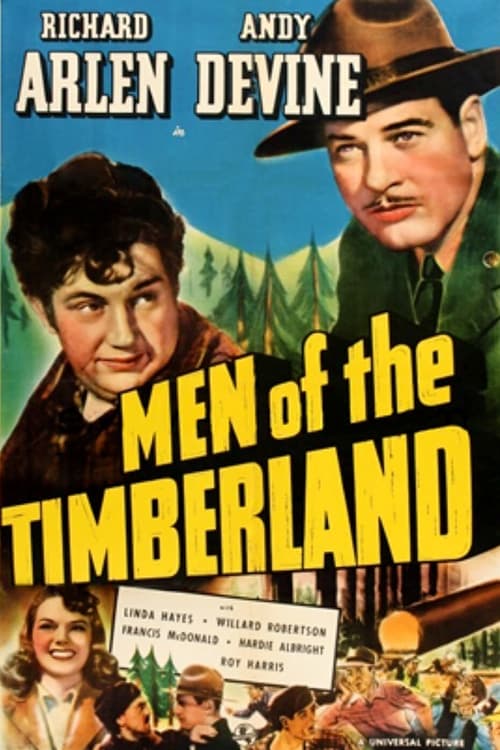
Men of the Timberland
1941
No user ratings available yet
Representation score: 0.5 out of 10

Representation Score
Minimal
1950
APPROVEDDirector
Bernard B. Ray
Runtime
63 minutes
Average Rating
No ratings yetNew Showbiz Analysis
Timber Fury is a quintessential example of mid-century traditional cinema. It adheres to the social hierarchies and narrative structures common to the post-war studio era, prioritizing conventional Western values over demographic diversity. The film's focus remains on property ownership, corporate sabotage, and law and order. This narrow scope results in a lack of storytelling that reflects multiple aspects of identity or systemic subversion. Ultimately, the production reflects the era's tendency to present white, industrial Western settings as the default social norm, offering little representation for underrepresented groups.
Category Breakdown
The film follows a strictly heterosexual romantic storyline. The central relationship between Phyllis Wilson and Jim Caldwell does not include any representation of non-traditional gender identities.
Phyllis Wilson demonstrates strong character development, but the plot is driven by male characters. The narrative reinforces 1950s gender roles by centering women within romantic and familial contexts.
The story depicts a homogeneous society with no characters from non-Anglo-Saxon backgrounds in the lumber camp setting.
The narrative focuses on Western industrialism and legal authority. It emphasizes established institutions like private property and family lineage without highlighting diverse cultural perspectives.
The film provides no information or characters regarding visible or invisible disabilities.
Present on Screen
Limited or Absent
Official Synopsis
Phyllis Wilson (Laura Lee) returns to the lumber camp owned by her father, Henry Wilson (Sam Flint)), and finds him in a struggle to keep his holdings. Wilson's foreman, McCabe (George Slocum), is employed by Wilson's enemy to destroy his company. Jim Caldwell (David Bruce), an engineer, is hired by Wilson and falls in love with Phyllis. McCabe kills Wilson and Sheriff Williams (Lee Phelps) thinks Caldwell is the killer.
1941

1937
1950
1944

1955
1941
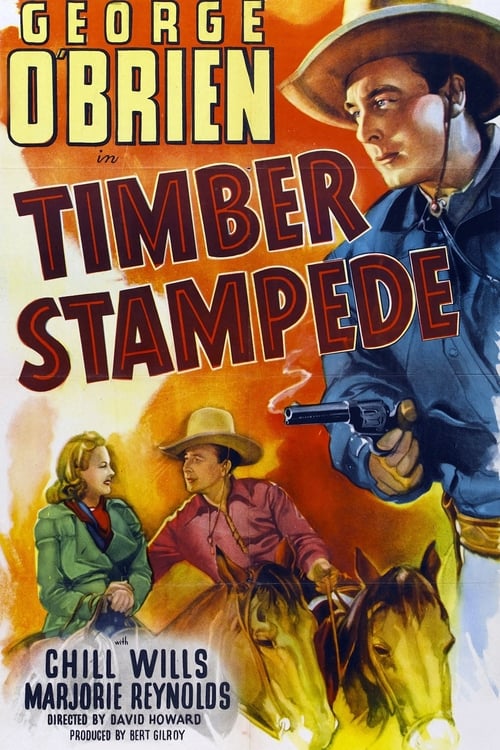
1939
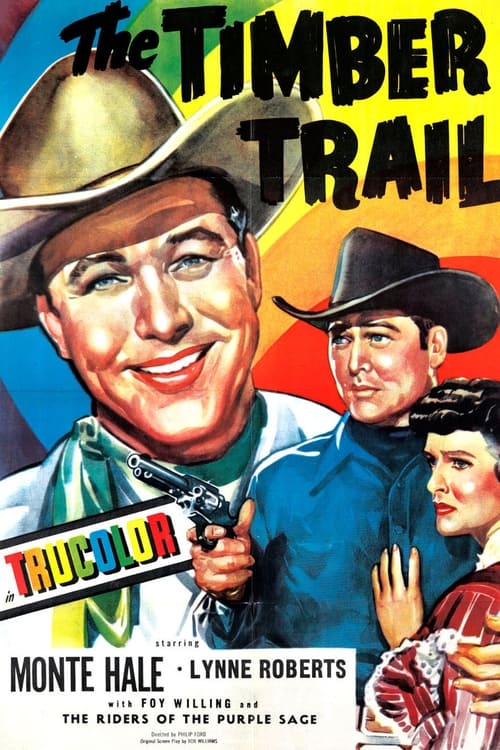
1948
No reviews yet. Be the first to share your thoughts on this movie!
Use the rating form above to leave a star rating and optional review.