
End of the Century: The Story of the Ramones
2003
No user ratings available yet
Representation score: 7.1 out of 10

Representation Score
Fair
2006
Director
Matt O'Casey
Runtime
72 minutes
Average Rating
No ratings yetNew Showbiz Analysis
Blondie: One Way or Another is a biographical retrospective that prioritizes musical history and archival preservation. It succeeds in documenting a transformative era where the subjects naturally challenged social norms through their art and presence. While the film features a female icon who broke gendered expectations, the narrative structure is celebratory and biographical. It does not engage in a deliberate exploration of overlapping identities or systemic social critique. The documentary captures a period of cultural disruption, but its primary lens is the evolution of a musical entity rather than a deep dive into the diverse social identities of the era.
Category Breakdown
The film captures the 1970s New York underground, a setting defined by non-straight relationships. However, the narrative focuses on the band's professional journey rather than specific LGBTQ+ character arcs.
Debbie Harry serves as a central figure who disrupted traditional feminine archetypes in rock. While she challenges gender hierarchies, the film lacks a deeper systemic critique of masculinity or female control over her own life.
The documentary places Blondie within a diverse New York melting pot alongside acts like Talking Heads. Yet, the focus remains on the specific lineage of the punk movement's core demographic.
The film explores the outsider status of the Bowery scene and its anti-establishment sentiment. It prioritizes the personal and professional recovery of the artists over critiques of Western institutions.
There is no information available regarding the portrayal of physical or neurodivergent disabilities within this documentary.
Present on Screen
Limited or Absent
Official Synopsis
A documentary about New York band Blondie, from their early beginnings in Bowery clubs like CBGBs alongside other up and coming bands like The Ramones, Patti Smith & Talking Heads. The documentary tracks their years of international success, through their internal problems and decline and then to their recovery and re-establishment leading to their being inducted into the Rock and Roll Hall of Fame in 2006 - an event that wasn't without its problems. Lots of interviews with band members, past and present, and their friends and contemporaries. Lots of clips of them performing through the years.
2003
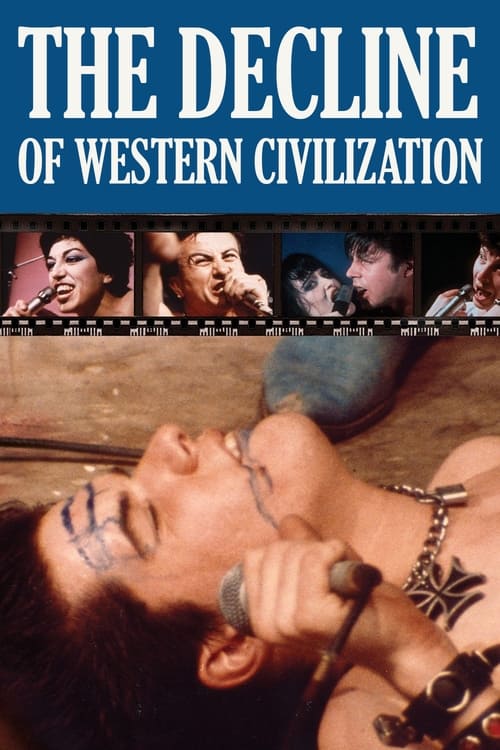
1981

2004
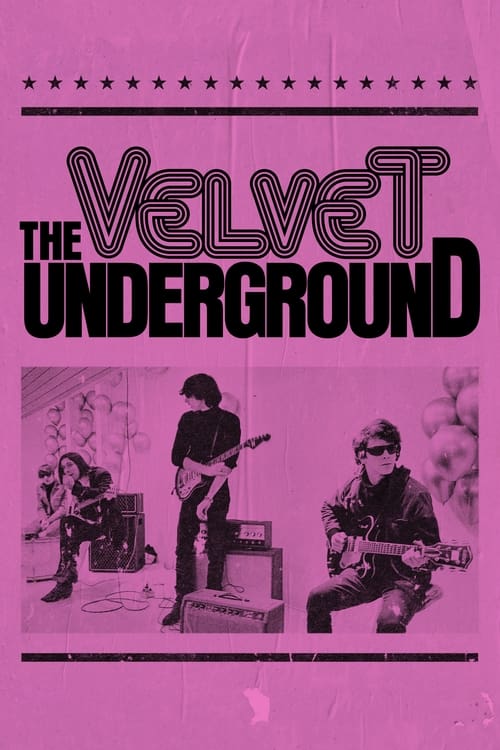
2021
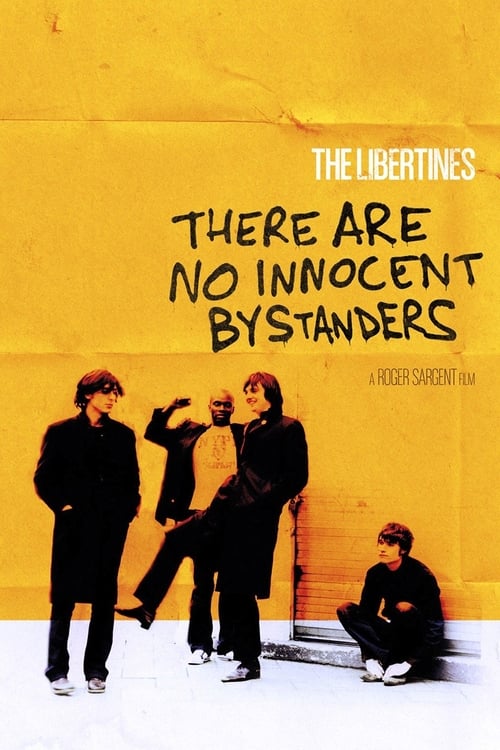
2011
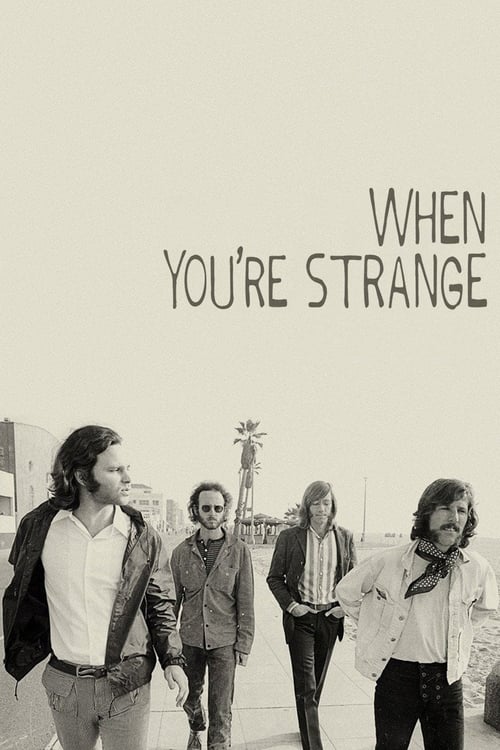
2010
1993

2016
No reviews yet. Be the first to share your thoughts on this movie!
Use the rating form above to leave a star rating and optional review.