The Colossus of Destiny: A Melvins Tale
2016
No user ratings available yet
Representation score: 4.4 out of 10
Representation Score
Fair
1993
Director
Jeff Feuerzeig
Runtime
90 minutes
Average Rating
No ratings yetNew Showbiz Analysis
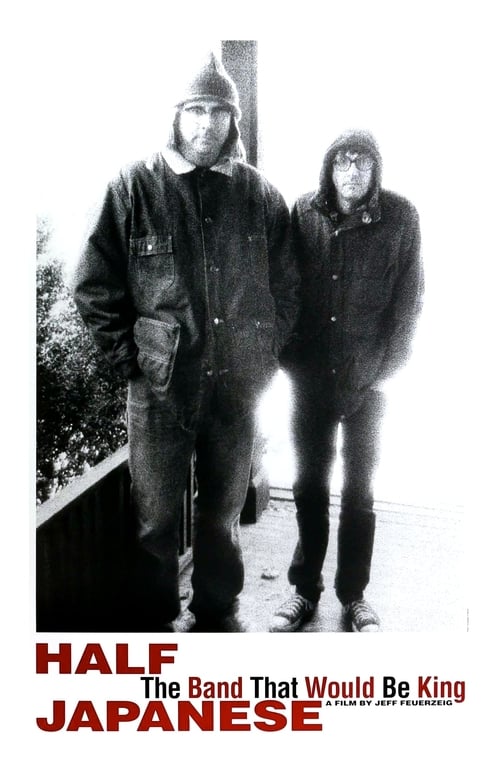
Half Japanese: The Band That Would Be King is a specialized study of subcultural resistance rather than a broad demographic survey. It prioritizes the ideological rebellion of the DIY movement over characters who reflect more than one aspect of diversity. The film's primary value lies in its cultural critique of Western institutional power. It frames the rejection of mainstream musical standards as a form of creative liberation and a valid mode of existence. However, the documentary lacks significant diversity in terms of race, gender, and LGBTQ+ identities. It serves as a localized historical record of a specific, predominantly white, male-dominated musical era.
Category Breakdown
The film captures the non-conformist atmosphere of the underground music scene. However, it lacks explicit LGBTQ+ narratives or central character arcs, resulting in a score that reflects a lack of overt representation.
The narrative centers heavily on male protagonists Jad and David Fair. While the film avoids traditional patriarchal roles by focusing on the starving artist lifestyle, it remains largely male-dominated.
The documentary chronicles a specific era of the East Coast indie rock scene. It functions as a localized historical record of a predominantly white, Anglo-Saxon musical movement.
The film excels at depicting anti-capitalist sentiment and the DIY ethos. It celebrates artistic rebellion and the deconstruction of commercial music industry hierarchies through a postmodern lens.
There is insufficient evidence within the film to assess the representation of visible or invisible disabilities.
Present on Screen
Limited or Absent
Official Synopsis
A documentary covering the rise of extremely alternative band Half Japanese: from the early days when Jad and David Fair recorded loud music in their bedroom for distribution via mail order cassette tape, to their contemporary incarnation after David's departure for married life and Jad's increased stature among musicians and critics. Includes interviews with Jad, David, Mo Tucker of Velvet underground fame, and Penn Jillette, who produced an album of theirs.
2016
1981
2002

2021

2019
2021
2012
2010
No reviews yet. Be the first to share your thoughts on this movie!
Use the rating form above to leave a star rating and optional review.