The Stone Roses: Made of Stone
2013
No user ratings available yet
Representation score: 3.5 out of 10
Representation Score
Good
2011
Director
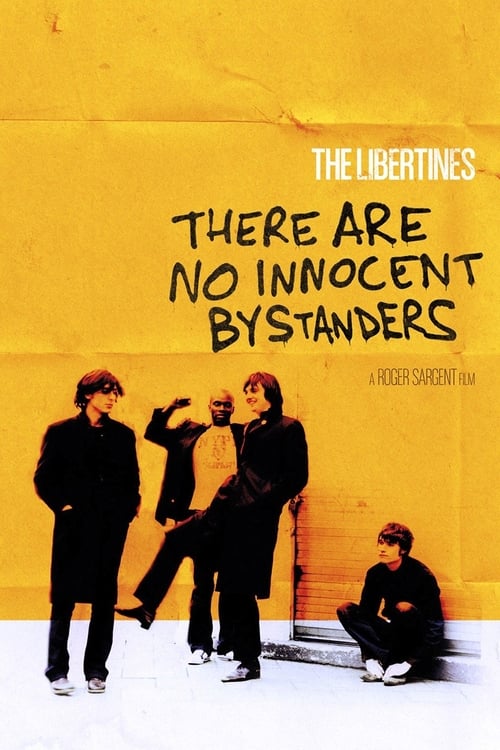
Roger Sargent
Runtime
87 minutes
Average Rating
No ratings yetNew Showbiz Analysis
The documentary functions as an intimate exploration of a subculture rather than a broad representation of diverse identities. It effectively dismantles traditional social and moral hierarchies, offering a candid look at non-conformist lifestyles. However, the film lacks demographic diversity. It focuses narrowly on a specific, homogeneous group of male musicians within a localized rock subculture. While it challenges the idealized notion of professional stability, the absence of diverse racial, gender, and LGBTQ+ narratives limits its overall impact on representation.
Category Breakdown
The film captures the aesthetic and social dynamics of the British indie music scene, but it does not focus on LGBTQ+ identities or sexual orientation as key plot points.
The story centers on a male-dominated band, exploring masculinity through volatility and addiction. It lacks strong female roles or challenges to traditional gender hierarchies.
The film portrays a relatively homogeneous demographic typical of the early 2000s British indie rock scene. There is no indication of intentional racial diversity or varied casting.
The documentary excels at breaking down Western stereotypes by emphasizing anti-authoritarian expression. It frames the band's history through moral relativism and a rejection of conventional societal norms.
The film portrays psychological struggles and addiction as part of a chaotic lifestyle. These elements risk falling into the 'tortured artist' cliché rather than exploring neurodivergence or disability empowerment.
Present on Screen
Limited or Absent
Official Synopsis
An access-all-areas documentary about The Libertines reunion shows at Reading & Leeds Festivals 2010 from first time director Roger Sargent; photographer, witness and confidante of the band throughout their short and turmoil filled career. Featuring the present day story of the build up, rehearsals, warm-ups and concerts set against the painfully honest interviews with each band member recounting the band's history and illustrated by Sargent's unparalleled archive of classic Libertines photographs. An intense and intimate portrayal of arguably Britain's most exciting and influential band of the last decade.
2013
2021
2010
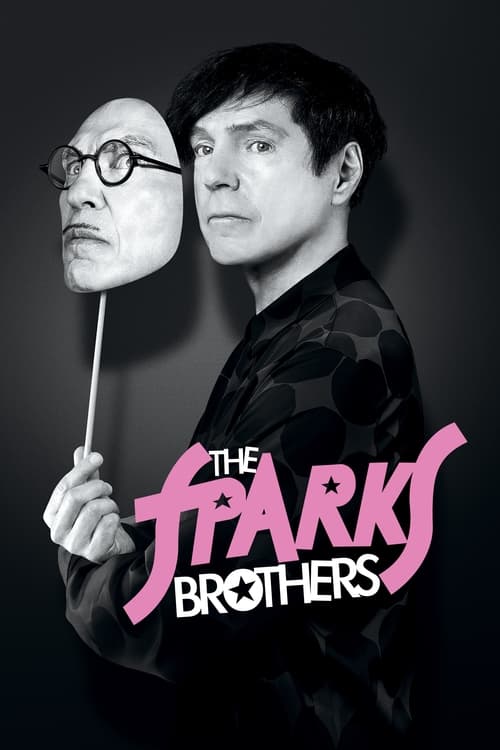
2021
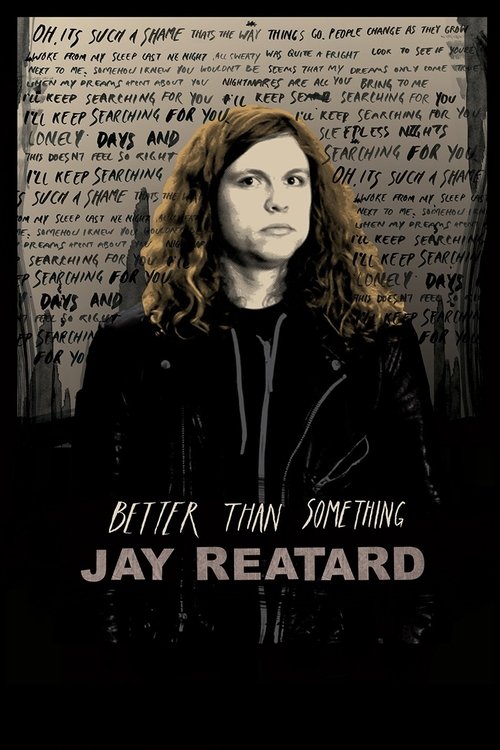
2012
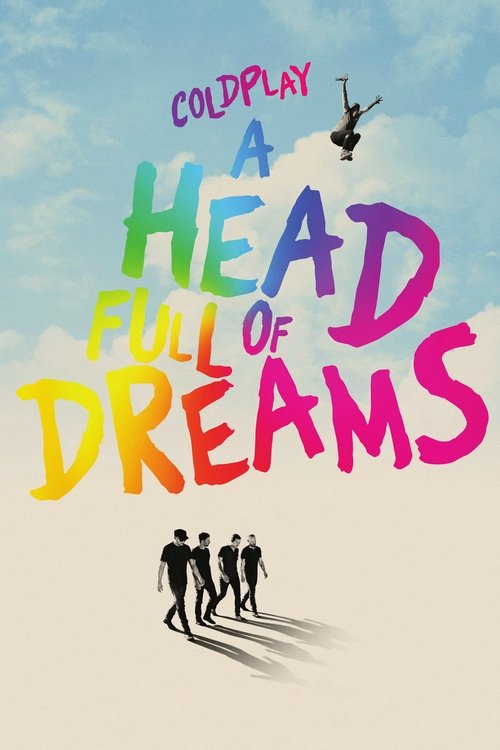
2018
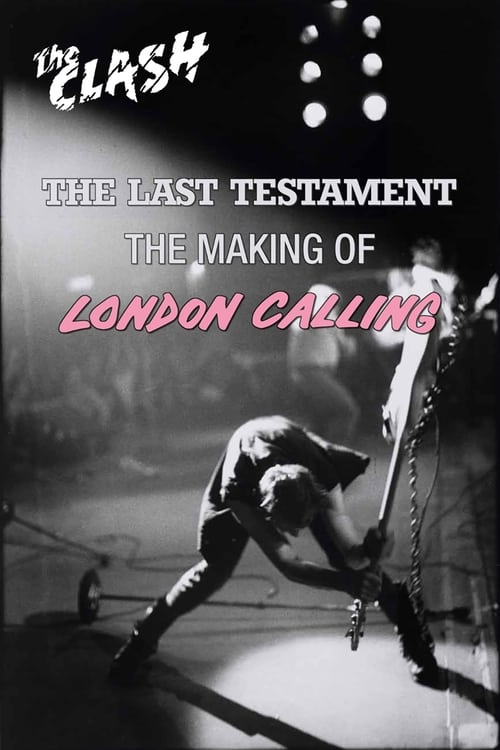
2004
2016
No reviews yet. Be the first to share your thoughts on this movie!
Use the rating form above to leave a star rating and optional review.