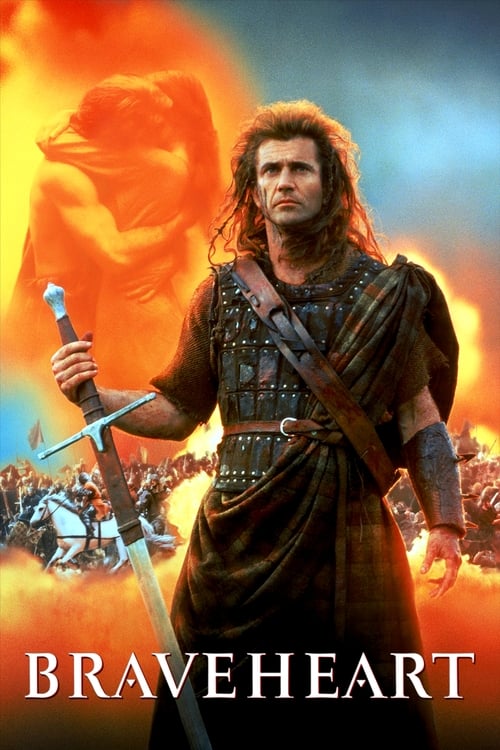
Braveheart
1995
No user ratings available yet
Representation score: 0.9 out of 10
Representation Score
Minimal
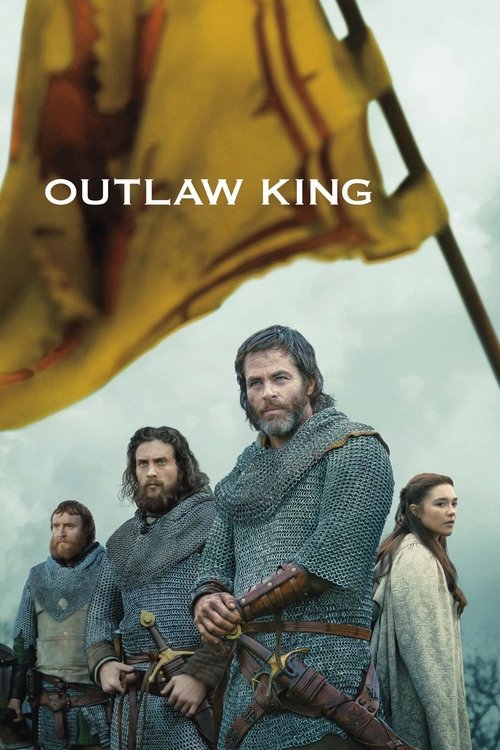
2018
RDirector
David Mackenzie
Runtime
122 minutes
Average Rating
No ratings yetNew Showbiz Analysis
Outlaw King is a gritty historical epic that emphasizes period authenticity and the harsh realities of 14th-century warfare. It centers on traditional themes of martial prowess and patriarchal power structures, offering limited modern social representation. While the film lacks diverse representation regarding race and LGBTQ+ identities, it gains points through its anti-imperialist narrative. By depicting the Scottish struggle as a fight against an occupying power, the film explores themes of sovereignty and national identity. Ultimately, the film focuses on historical realism rather than contemporary inclusivity. It challenges idealized heroism through intense conflict, while remaining tied to the social norms of its time.
Category Breakdown
The film follows 14th-century traditions where everyone is assumed to be straight or cisgender. There are no depictions of non-traditional gender identities or same-sex relationships, focusing instead on the marriage between Robert the Bruce and Elizabeth de Burgh.
Despite the patriarchal setting, Elizabeth de Burgh provides significant political advice and strategic insight. However, the main conflict revolves around traditional military strength and male leadership.
The cast is primarily white and Anglo-Saxon to maintain historical accuracy. There are no non-white characters or instances of color-blind casting in the central storyline.
The story portrays the English Crown as an oppressive force, highlighting a struggle for national independence. It examines the shift from feudal loyalty to a growing sense of national identity.
There are no visible or invisible disabilities depicted in the film. Characters are defined mainly by their ability to engage in combat and survive physically.
Present on Screen
Limited or Absent
Official Synopsis
Forced into exile by the English after being crowned King of Scotland, legendary warrior Robert the Bruce fights to reclaim the throne.
1995
1961
2005
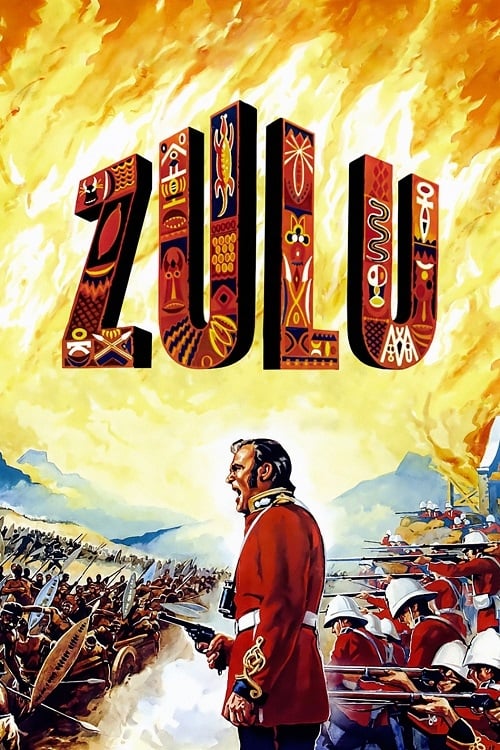
1964
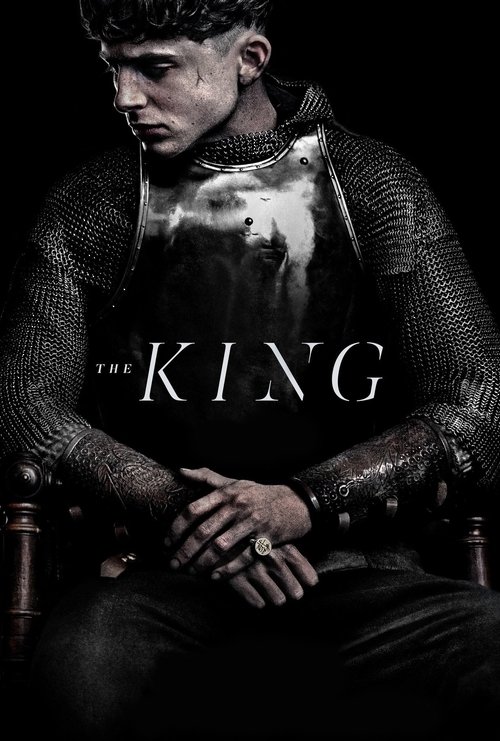
2019
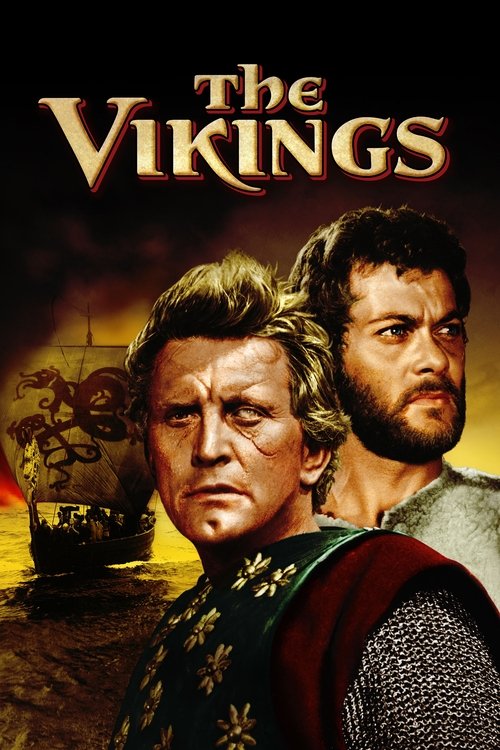
1958

2019
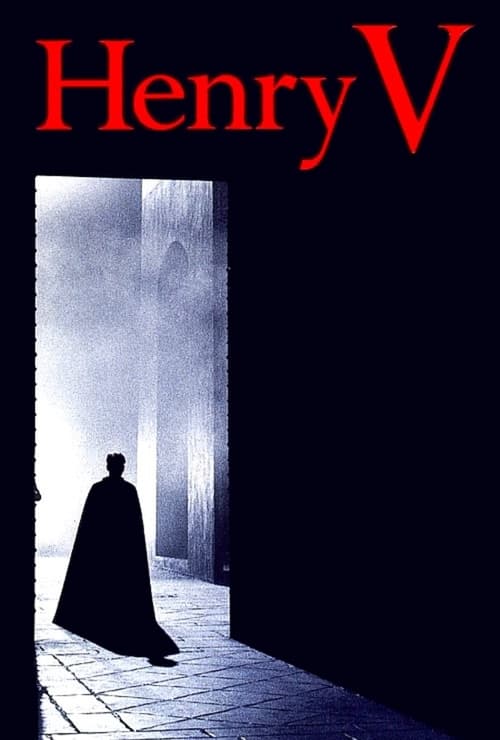
1989
No reviews yet. Be the first to share your thoughts on this movie!
Use the rating form above to leave a star rating and optional review.