
Syncopation
1942
No user ratings available yet
Representation score: 2.0 out of 10
Representation Score
Minimal
1945
ApprovedDirector
Irving Rapper
Runtime
161 minutes
Average Rating
No ratings yetNew Showbiz Analysis
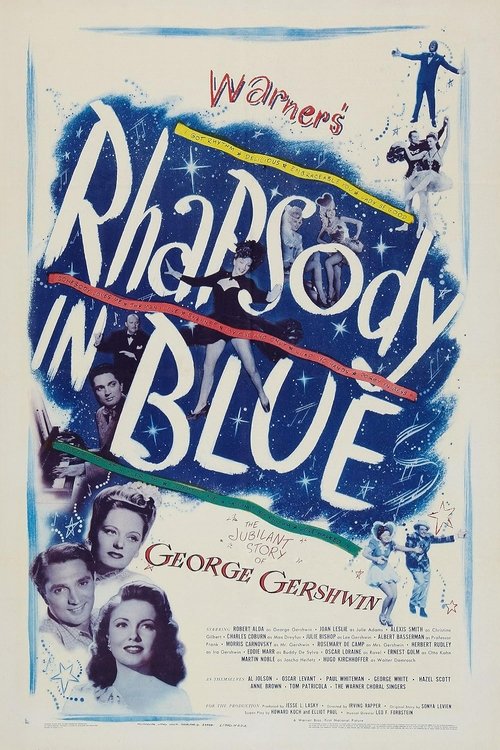
Rhapsody in Blue is a celebratory account of George Gershwin's career progression. It follows a traditional biographical format that emphasizes individual achievement and the romanticization of the creative process. The film adheres to the storytelling conventions of the 1940s studio system, avoiding critical examination of broader societal structures. Instead, it presents a straightforward, positive narrative that aligns with established social hierarchies. While capturing the essence of a pivotal musical era, the film lacks nuanced exploration of intersecting identities. It separates cultural movements from their systemic contexts, presenting a simplified view of American musical history.
Category Breakdown
The film does not include any LGBTQ+ characters or explore non-straight relationships. The romantic storyline follows a traditional heterosexual pairing, reflecting the social norms of the time.
The story emphasizes the male protagonist's musical aspirations, while the female character supports him emotionally. This reinforces traditional gender roles and romantic dynamics.
Despite being set during the Jazz Age, the cast is primarily white. The film focuses on the rise of Broadway music without delving into the African-American roots of jazz.
The film highlights Western artistic achievements and the idea of the self-made man. It upholds traditional views on professional success and stable relationships without challenging systemic issues.
The film does not depict any significant physical or neurodivergent disabilities. Disability is not used as a central theme or narrative device.
Present on Screen
Limited or Absent
Official Synopsis
Fictionalized biography of George Gershwin and his fight to bring serious music to Broadway.
1942

1954
1955
1936
1949

1942
1956
1952
No reviews yet. Be the first to share your thoughts on this movie!
Use the rating form above to leave a star rating and optional review.