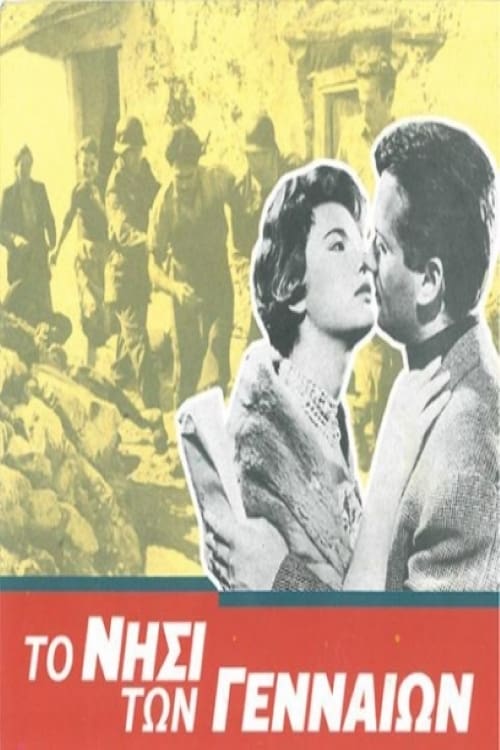
The Island of the Brave
1960
No user ratings available yet
Representation score: 1.3 out of 10
Representation Score
Limited
1967
Director
Dinos Dimopoulos
Runtime
109 minutes
Average Rating
No ratings yetNew Showbiz Analysis
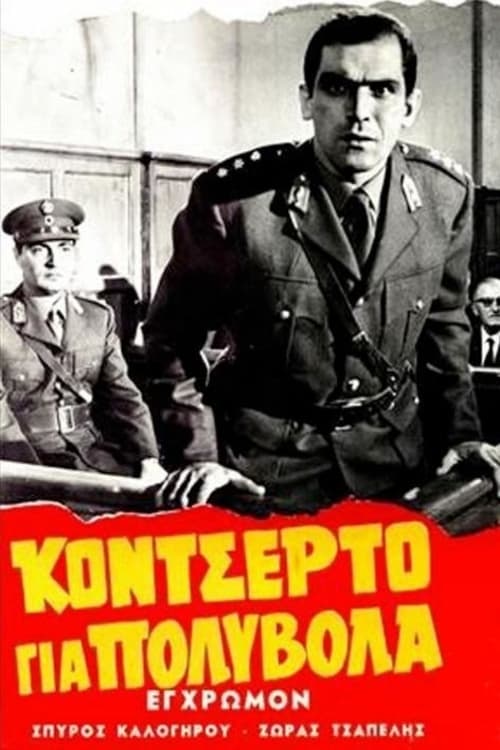
Concert for Machine Guns is a wartime drama that centers on a female protagonist navigating high-stakes espionage. While Niki displays intellectual autonomy and a leading role, the film remains bound by the social and cinematic conventions of 1967. The narrative prioritizes the tension of wartime survival and military duty over exploring multiple aspects of identity. It focuses on a specific historical and geopolitical context that limits its broader social diversity. Ultimately, the film succeeds in presenting a complex female lead but lacks representation of LGBTQ+ identities or diverse racial and ethnic perspectives.
Category Breakdown
The film lacks explicit depictions of LGBTQ+ identities. The plot focuses on a traditional romantic connection between Niki and Captain Theodorou.
Niki serves as a central protagonist who play a significant role in driving the story. She navigates espionage and psychological games, moving beyond the typical damsel in distress cliché.
The setting and cast are largely homogeneous, reflecting the Greek and Italian geopolitical landscape of the era. Ethnicity is not a primary driver of character depth.
The story explores wartime morality and duty through espionage. It remains anchored in traditional military and state institutions rather than critiquing them.
There is no evidence of physical or neurodivergent disability representation within the narrative.
Present on Screen
Limited or Absent
Official Synopsis
Athens, shortly before the outbreak of World War II and an Army General Staff official, Niki (Jenny Carezis), is charged with channeling confidential documents to an Italian agent. The category is right. The girl was blackmailing herself with the life of her brother studying in Italy. She does not make any effort to defend herself and is indifferent if she is sentenced to death, but she accepts the cooperative proposal proposed by General Darius, that is to continue to channel secret documents to the Italians, but now they are deliberately made to deceive the enemy . The whole case is also involved with a captain, Theodorou, who is in love with Niki. Theodorou is arrested for misappropriation of documents and goes through a military court where he is sentenced to demolition and death. Certainly, his execution was fictitious, and on the day Greek troops enter Korça, he is shown alive to Niki, which does not hide her surprise.
1960

1966
1970
1959
1981
1952
1970
1982
No reviews yet. Be the first to share your thoughts on this movie!
Use the rating form above to leave a star rating and optional review.