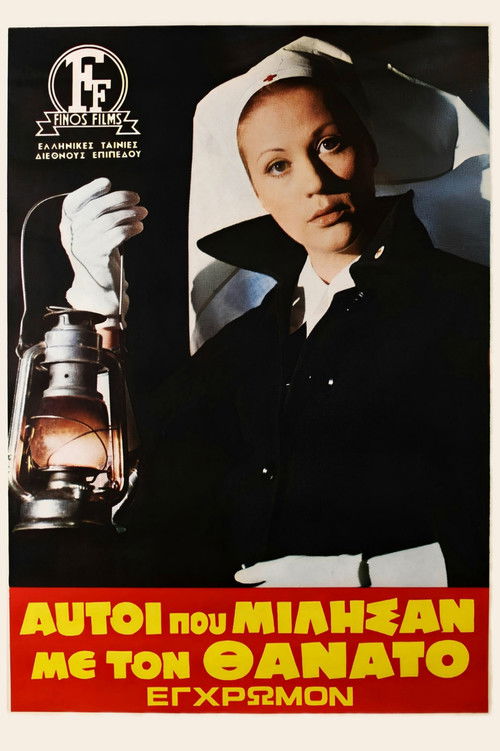
Face to Face with Death
1970
No user ratings available yet
Representation score: 4.0 out of 10
Representation Score
Limited
1981
Director
Takis Vougiouklakis, Nikos Foskolos
Runtime
98 minutes
Average Rating
No ratings yetNew Showbiz Analysis
The film is a historical drama that prioritizes nationalistic storytelling and classical melodrama. It successfully places a female character in a position of political influence, moving beyond the damsel-in-distress cliché through her involvement in sabotage and resistance. However, the work remains anchored in the social norms of 1981. Its focus on a specific ethnic struggle and traditional romantic arcs limits its exploration of diverse identities. The film functions more as a tribute to national martyrdom than a study of varied backgrounds.
Category Breakdown
The film focuses on a heterosexual relationship between Iro and a young doctor, adhering to traditional romantic storylines without exploring LGBTQ+ identities.
Iro is a strong female protagonist who actively participates in the resistance movement. Her character is framed through a classic martyr archetype, emphasizing her role in the struggle.
The cast is primarily made up of actors from the same ethnic background, reflecting the historical context of the German occupation of Greece. The film highlights a specific ethnic struggle rather than showcasing diverse casts.
The story emphasizes national identity and sacrifice against an occupying force, prioritizing traditional heroism and patriotism over modern secular or postmodern viewpoints.
The narrative includes medical care for the protagonist after her torture. However, disability is not a central theme or character trait in the story.
Present on Screen
Limited or Absent
Official Synopsis
Iro Konstantopoulou was thirteen years old when the Germans invaded Greece. Despite her age, however, she got involved with the resistance. When she was arrested for the first time, her rich father managed to set her free, and she fell in love with a young doctor who took care of her injuries following torture. A little before the withdrawal of the Germans, she participated in the blowing up of a train that was transporting ammunition, and she was arrested again, but this time no one could save her. She was executed at the Chaïdari camp, along with forty-nine other prisoners.
1970
2009
1970
1967
1960
1944
1969
1985
No reviews yet. Be the first to share your thoughts on this movie!
Use the rating form above to leave a star rating and optional review.