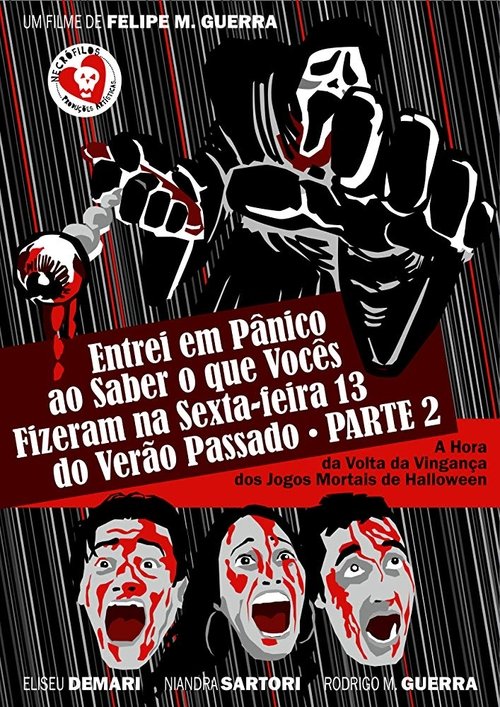
Entrei em Pânico ao Saber o que Vocês Fizeram na Sexta-feira 13 do Verão Passado
2001
No user ratings available yet
Representation score: 3.1 out of 10
Representation Score
Limited
2011
Director
Felipe M. Guerra
Runtime
82 minutes
Average Rating
No ratings yetNew Showbiz Analysis
The film functions as a stylistic blend of Western horror clichés, emphasizing genre archetypes over social commentary. It relies on the mechanics of the slasher subgenre to drive its narrative. While the film highlights survivor narratives, it lacks complexity in addressing multiple aspects of identity. Characters operate within traditional roles without challenging existing social structures. Overall, the film serves as a niche, independent homage to horror-comedy. It focuses on individual fear and survival without delving into diverse cultural or systemic perspectives.
Category Breakdown
The film does not include explicit LGBTQ+ characters or stories. It centers on a recurring slasher massacre without exploring non-traditional gender identities.
Female characters like Niandra and Eliseu deal with the trauma of previous massacres. They take active roles against a male antagonist, but their roles follow typical horror movie conventions.
The film is set in Carlos Barbosa, which could offer opportunities for regional diversity. However, there is no clear indication of intentional racial diversity among the victims.
The story follows a standard revenge-driven slasher plot. It does not provide a clear critique of societal or cultural issues, focusing instead on individual deviance and established horror formulas.
The film does not feature characters with physical or neurodivergent disabilities. Such identities are not part of the existing character arcs.
Present on Screen
Limited or Absent
Official Synopsis
Seven years after the massacre of the first film, the survivors Niandra and Eliseu still fear the return of Geison, the terrible psychopath who mutilated his friends on a Friday the 13th. New murders start happening in the small town of Carlos Barbosa, putting a new generation of victims as targets of the killer. But who is behind that "Scream" mask?
2001
1985
1982
1986
2013
2021
2017
1995
No reviews yet. Be the first to share your thoughts on this movie!
Use the rating form above to leave a star rating and optional review.