Cecilie
2007
No user ratings available yet
Representation score: 4.4 out of 10
Representation Score
Limited
2009
Not RatedDirector
Joseph Tito
Runtime
103 minutes
Average Rating
No ratings yetNew Showbiz Analysis
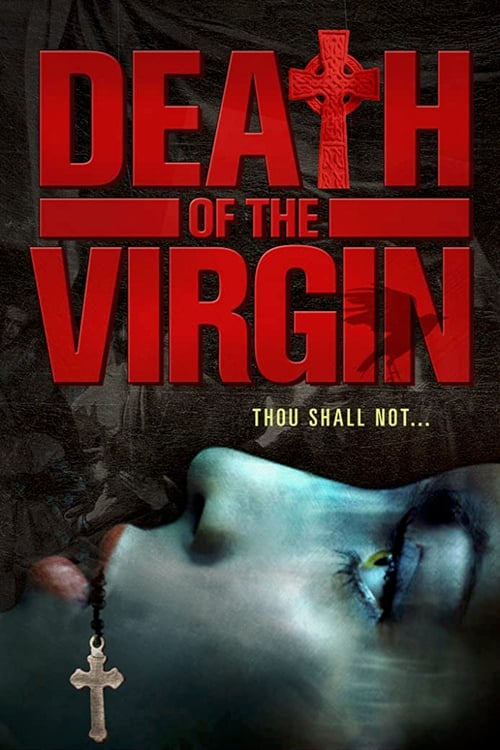
Death of the Virgin functions as a traditional genre piece that relies heavily on established clichés. While the film centers on female protagonists, it often utilizes archetypes that lean toward objectification rather than complex character development. The narrative structure is built around Western religious mysticism and historical iconography. This focus reinforces traditional Christian morality and religious mystery rather than offering a critique of these institutions. Ultimately, the film lacks depth in representing multiple aspects of identity. It prioritizes supernatural thrills and religious themes over challenging social hierarchies or including diverse identities.
Category Breakdown
The film does not include any explicitly LGBTQ+ characters or non-cisgender identities. The character dynamics follow traditional groupings without challenging typical expectations.
Three female protagonists drive the plot, offering some ability to act within the horror genre. However, descriptions like 'sexy Italian translator' suggest a reliance on conventional stereotypes.
The setting and cast appear integrated into a European context. The narrative does not prioritize diverse racial identities or non-Anglo-Saxon casting.
The story is deeply rooted in Western religious traditions and Christian iconography. It operates within established religious frameworks rather than critiquing them.
There is no visible or invisible disability portrayed with ability to act. The narrative does not appear to use disability as a plot device.
Present on Screen
Limited or Absent
Official Synopsis
In 1432 a stunning apparition of the Virgin Mary appeared in the sleepy town of Caravaggio becoming the inspiration for the gruesome yet extraordinary paintings of the artist, Michelangelo Merisi (better known as Caravaggio). Now, in modern day 2011, three women travel to Caravaggio -- Lisa, an aspiring art student, Claudia, a sexy Italian translator and May, a young woman about to enter the nunnery. Their world turns upside down when the apparition reappears and poor May becomes plagued by premonitions of shocking murders. Who will survive the terror of the supernatural as murders based on the paintings come true and the three women must discover an obscure secret to unlock a shocking destiny...
2007
1976
1993
1972
2010

2016
2006
2013
No reviews yet. Be the first to share your thoughts on this movie!
Use the rating form above to leave a star rating and optional review.