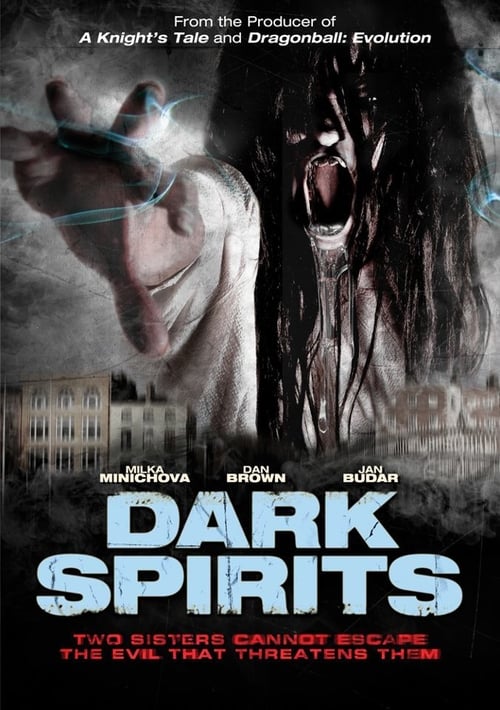
Dark Spirits
2008
No user ratings available yet
Representation score: 2.9 out of 10

Representation Score
Fair
2006
RDirector
Rigoberto Castañeda
Runtime
103 minutes
Average Rating
No ratings yetNew Showbiz Analysis
KM 31: Kilometer 31 is a genre-driven thriller that prioritizes metaphysical mystery over social commentary. The narrative centers on female protagonists but operates within conventional structures rather than challenging them. The film lacks explicit LGBTQ+ representation and does not engage in systemic critiques of institutions. While it uses spiritual themes, these elements serve the horror plot rather than exploring diverse cultural or religious perspectives. Ultimately, the film functions as a standard supernatural mystery, providing central roles for women but failing to deconstruct traditional hierarchies or offer deep explorations of disability and identity.
Category Breakdown
The film does not include any LGBTQ+ characters or non-cisgender identities. The romantic relationships in the movie follow traditional heterosexual pairings.
Women play key roles in driving the story through the psychic connection between twin sisters. However, the plot still relies heavily on male support structures.
As a Mexican production, the film operates outside an Anglo-Saxon framework. It does not show intentional racial blending or disrupt stereotypes.
The story includes spiritualist elements such as telepathy and ghosts. It focuses on local supernatural tragedies rather than broader social or political critiques.
Characters face extreme physical vulnerability through comas and spiritual entrapment. These conditions serve as plot devices for horror rather than exploring the lived experience of disability.
Present on Screen
Limited or Absent
Official Synopsis
While driving through the kilometer 31 of a lonely road, Agata Hameran hits a boy. She leaves her car to help the victim and another car runs over her and she falls in a deep coma. Her twin sister Catalina telepathically feels the pain of Agata and hears her whispering for help. Together with her boyfriend Nuno and Agata's mate Omar, they return to the km 31 of the road, and find out that the place is surrounded by supernatural accidents caused by the ghost of a mother that lost her boy many years ago. Further, Catalina discloses that the spirit of Agata is trapped between the worlds of the living and the dead.
2008

2007

2012

2003
2008

2009
2007
2011
No reviews yet. Be the first to share your thoughts on this movie!
Use the rating form above to leave a star rating and optional review.