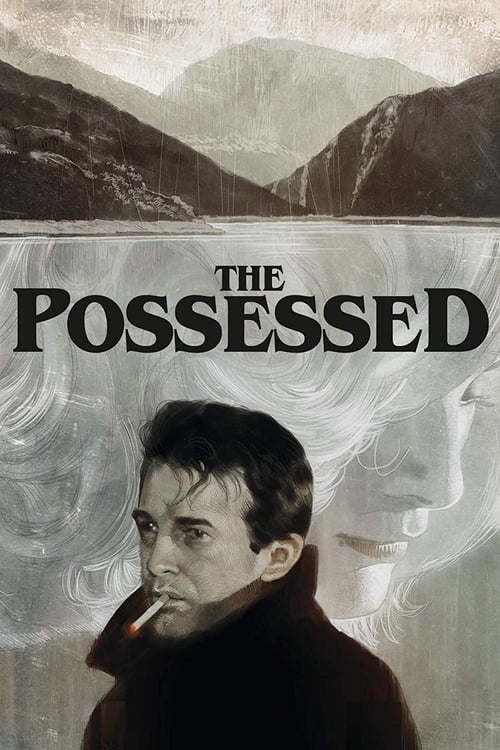
The Possessed
1965
No user ratings available yet
Representation score: 4.3 out of 10
Representation Score
Fair
1976
Director
Pupi Avati
Runtime
110 minutes
Average Rating
No ratings yetNew Showbiz Analysis
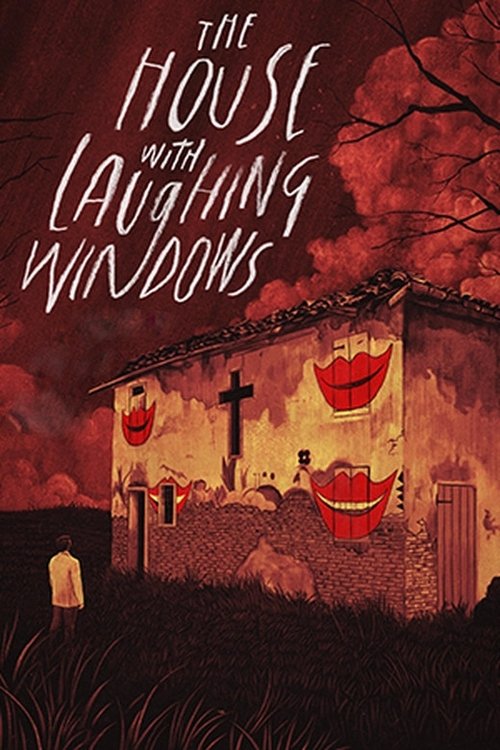
Pupi Avati’s work focuses on the intersection of folk tradition and psychological decay rather than modern identity politics. The film's strength lies in its ability to dismantle the perceived sanctity of rural social structures. While the film lacks intentionality regarding racial or LGBTQ+ inclusion, it offers a sophisticated critique of community and faith. It replaces the myth of pastoral peace with a landscape of systemic dysfunction and hidden transgressions. Ultimately, the film is a masterwork of atmospheric deconstruction. It uses the setting to challenge the viewer's perception of social order and traditional morality.
Category Breakdown
The film adheres to a traditional focus on straight relationships and does not include characters with diverse gender identities or stories that question heterosexuality.
The story disrupts the stability of home life by focusing on the dark actions and victimization of women. It explores women's roles in the village's dark secrets within a patriarchal society.
The cast is ethnically uniform, reflecting the 1976 Italian production context and its rural Po Valley setting. The film does not incorporate diverse ethnic backgrounds.
The film deconstructs traditional institutions like the church and family, presenting them as vehicles for corruption. It challenges the idealized myth of pastoral stability through moral relativism.
Psychological instability and the grotesque serve as narrative drivers for horror. However, mental distress is used for atmosphere rather than giving characters control over their conditions.
Present on Screen
Limited or Absent
Official Synopsis
Stefano, a young restorer, is commissioned to save a controversial mural located in the church of a small, isolated village.
1965

1966

1970
1961
1975

1975
2019
1961
No reviews yet. Be the first to share your thoughts on this movie!
Use the rating form above to leave a star rating and optional review.