Mara
2013
No user ratings available yet
Representation score: 2.7 out of 10
Representation Score
Limited
2010
Not RatedDirector
Michael Steiner
Runtime
110 minutes
Average Rating
No ratings yetNew Showbiz Analysis
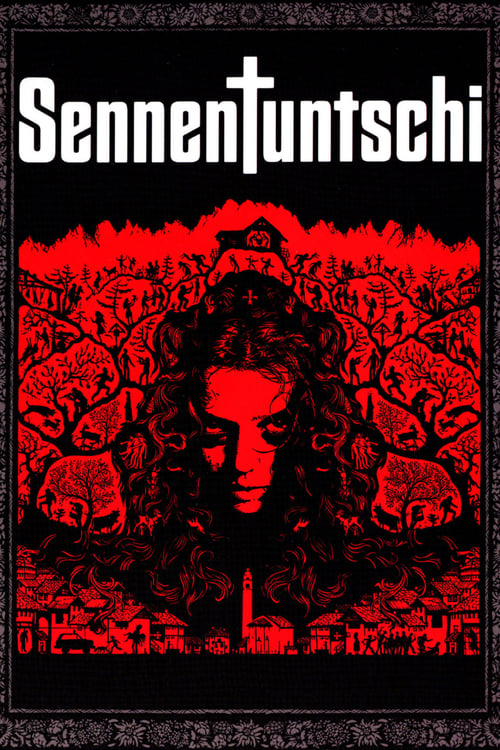
Sennentuntschi: Curse of the Alps is a period-specific folk horror that leverages isolation to examine the collapse of communal structures. It prioritizes atmospheric horror and historical realism over modern demographic inclusion. The film's strength lies in its thematic goal to challenge the perceived sanctity of traditional Western institutions. It employs the supernatural to reveal the corruption inherent in established religious and patriarchal hierarchies. While the narrative is critical of social orders, it remains ethnographically limited by its specific historical and geographical setting.
Category Breakdown
The film does not include any LGBTQ+ characters or themes related to non-straight relationships. The narrative centers on folklore and the dynamics within the village.
The story highlights strict gender roles typical of the 19th century. Women are shown to have limited influence, while the narrative criticizes the predatory behavior of male herdsmen and the systemic oppression faced by women.
The cast reflects a homogeneous ethnic background due to the isolated Swiss alpine setting. The film adheres to the historical context of the time without incorporating diverse ethnic backgrounds.
The film offers a harsh critique of religious hypocrisy and organized belief systems. It portrays the village's religious fervor as a catalyst for communal destruction and systemic corruption.
There is no significant focus on neurodivergence or physical disabilities. Characters experiencing psychological distress are portrayed as victims of superstition rather than individuals with autonomous lived experiences.
Present on Screen
Limited or Absent
Official Synopsis
1975, Swiss Alps: In a remote mountain village, a beautiful and mysterious woman shows up. Only the village policeman takes care of the strange woman and tries to find out who she is. There are hints that she came from the Höhenalp Alp, where herdsmen do unthinkable things to get the company of women. Many dark truths are revealed that should better have remained hidden. A tragedy of lust, insanity and murder is brought to a seemlingly pure and perfect world. It is the beginning of a nightmare of religious insanity, hypocrisy, abuse and belief in demons, who destroys a young family and brings a whole village to destruction.
2013
1961
2009
1972
2016
2018
2024
2013
No reviews yet. Be the first to share your thoughts on this movie!
Use the rating form above to leave a star rating and optional review.