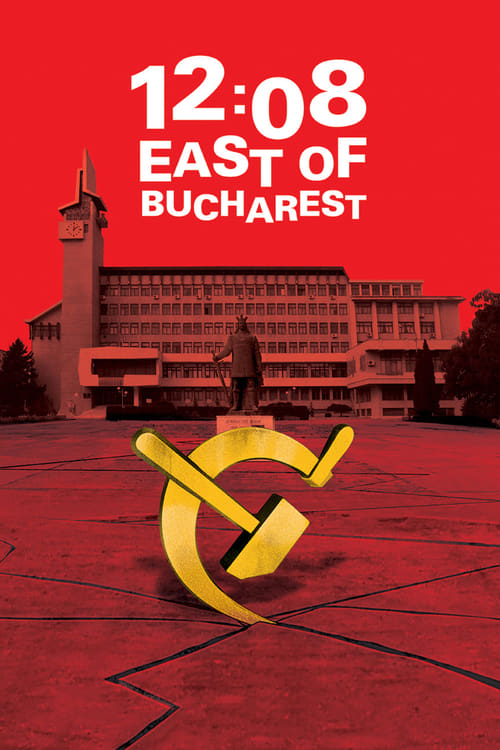
12:08 East of Bucharest
2006
No user ratings available yet
Representation score: 4.3 out of 10
Representation Score
Fair
1992
Director
Andreas Dresen
Runtime
95 minutes
Average Rating
No ratings yetNew Showbiz Analysis
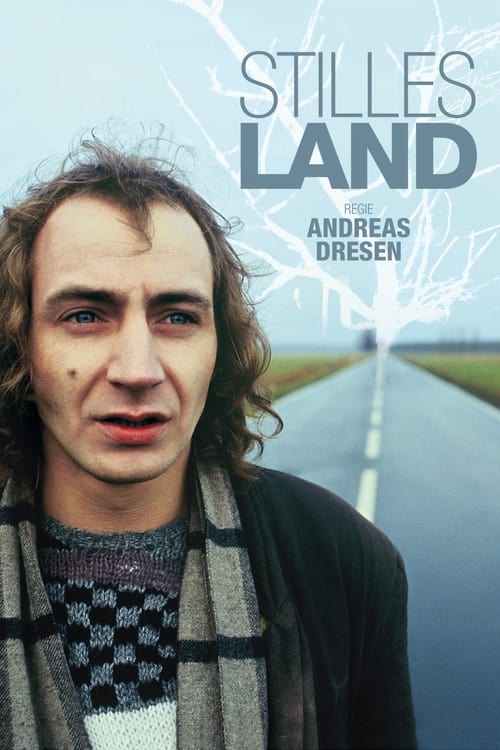
Silent Country is a sophisticated study of a society in flux, capturing the disorientation of the GDR's dissolution. It uses a theatrical production of Beckett’s Waiting for Godot to mirror the existential vacuum left by collapsing institutions. The film prioritizes historical and psychological realism over demographic diversity. While it lacks representation of non-assuming gender matches what was assigned at birth identities or LGBTQ+ narratives due to its specific setting, it excels in its nuanced portrayal of the post-socialist condition. Ultimately, the work succeeds by deconstructing the transition to capitalism, framing it as a period of systemic uncertainty rather than simple liberation.
Category Breakdown
The film examines socioeconomic and political changes during the Wende period. It does not include narratives or identities that challenge the assumption that everyone is straight or cisgender.
Characters navigate interpersonal roles amid the chaos of a collapsing state. While the theater troupe allows for some social flexibility, the film does not explicitly prioritize challenging traditional gender roles.
The casting reflects the demographic homogeneity of a rural East German town during this specific historical period. The narrative does not engage with the ways different parts of someone's identity overlap.
The film offers a sophisticated critique of the transition from socialism to capitalism. It portrays the collapse of the GDR as a complex loss of identity and social safety nets.
There is no significant evidence of characters with visible or invisible disabilities driving the narrative. The focus remains on the psychological and political impact of the ensemble.
Present on Screen
Limited or Absent
Official Synopsis
A young, naive and enthusiastic theater director named Kai comes to a grim provincial town to put on Beckett's Waiting for Godot. Although the lethargic theater company shows no interest in the play, his spirit remains undaunted.Meanwhile, it is fall 1989. The world is changing and somewhere, far away in the capital, a revolution is taking place and it seems that wishes might come true. Great hopes emerge in the little town and unexpected events overtake Kai's mutating production.
2006

2020
1991
1988
2003
2004
2002
1991
No reviews yet. Be the first to share your thoughts on this movie!
Use the rating form above to leave a star rating and optional review.