Genesis
1968
No user ratings available yet
Representation score: 5.3 out of 10
Representation Score
Excellent
1964
Director
Osamu Tezuka
Runtime
6 minutes
Average Rating
No ratings yetNew Showbiz Analysis
Osamu Tezuka’s short film serves as an abstract meditation on the subjectivity of perception and the dissolution of human existence. It shifts away from traditional character-driven narratives towards an existentialist framework. The work’s strength lies in its ability to disrupt mid-century animation conventions. By reducing the Earth to a memory of the universe, the film avoids anthropocentric storytelling in favor of cosmic relativism. While the film's brevity makes specific demographic verification challenging, its thematic architecture provides a sophisticated critique of human permanence. It prioritizes philosophical complexity over traditional social representation.
Category Breakdown
The film's brief five-minute duration focuses on cosmic and existential themes. There is no depiction of specific LGBTQ+ identities or interpersonal narratives.
The narrative centers on the destruction of humanity and the Earth as a collective concept. This macro-scale view deconstructs traditional gender hierarchies by removing individual subjects.
Tezuka uses non-human metaphors and abstract animation to explore the human condition. The cosmic perspective transcends conventional ethnic or nationalistic identifiers.
The film explores the nature of reality and the value of memory. It challenges objective truth by transitioning from human existence to a universal memory.
The focus remains on the metaphysical state of humanity. There is no depiction of characters with visible or invisible disabilities.
Present on Screen
Limited or Absent
Official Synopsis
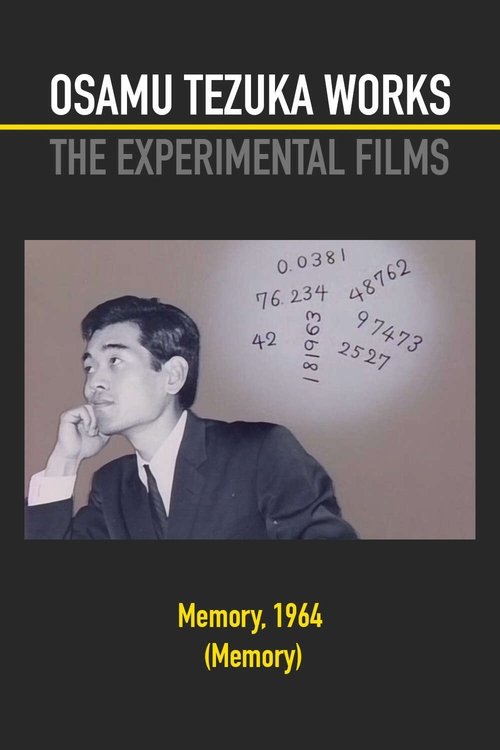
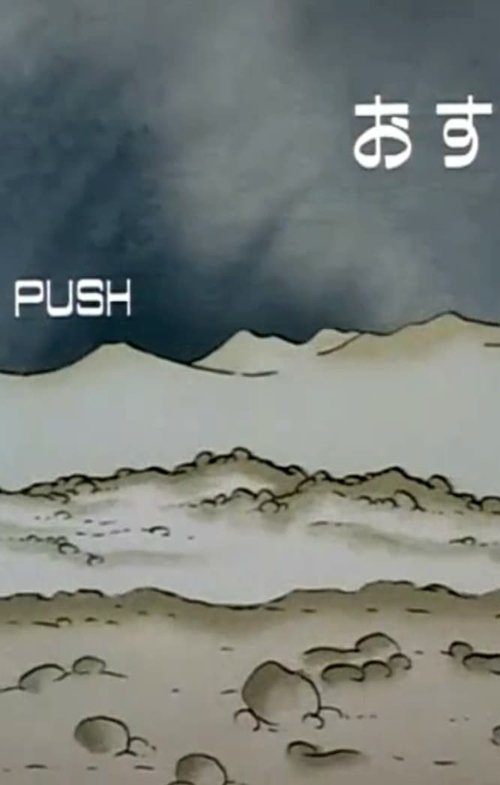
This is a short, privately produced animated film. While elucidating the mystery and fuzziness as well as merits and demerits of memory in idealizing reality, the story develops into a tale of destruction of human beings, turning the existence of the earth into a memory of the universe. The production, only 5 minutes long, greatly helps expand the viewer's imagination, embodying the enchantment of animation.
1968
1985
1990
1995
1987
1996

2012
1952
No reviews yet. Be the first to share your thoughts on this movie!
Use the rating form above to leave a star rating and optional review.