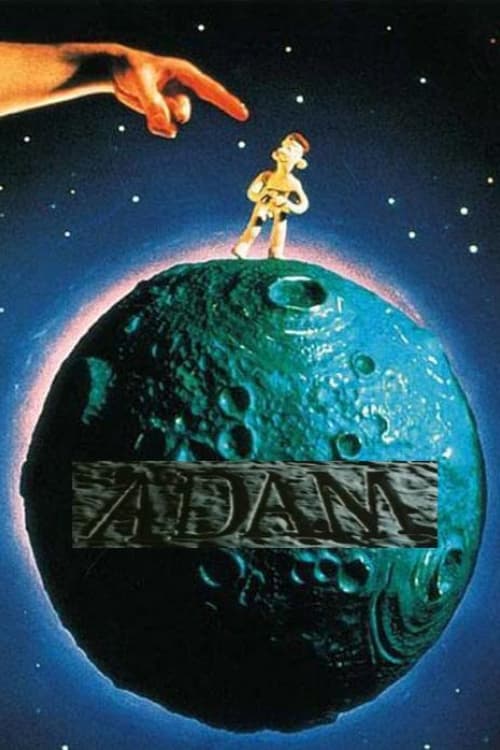
Adam
1992
No user ratings available yet
Representation score: 0.6 out of 10
No Poster Available
Representation Score
Fair
1968
Director
Osamu Tezuka
Runtime
4 minutes
Average Rating
No ratings yetNew Showbiz Analysis
Osamu Tezuka’s *Genesis* (1968) is a philosophically ambitious animation that centers on the creation of Earth and the evolving intentions of a divine figure. The film moves away from static religious clichés by focusing on the volatility of God's decisions. While the thematic depth is significant, the film lacks explicit demographic details. The narrative prioritizes broad theological inquiry over specific character-driven representation, leaving questions of gender, race, and identity unanswered by the available plot details. Ultimately, the work functions as a universalist exploration of human origins. It relies more on intellectual subversion of religious authority than on visible, multi-layered character casting.
Category Breakdown
The film doesn't provide specific dialogue or scenes to confirm LGBTQ+ identities. Although Osamu Tezuka often explores fluid identities, there's no clear indication in this particular work.
The story focuses on broad themes rather than specific gender dynamics. However, Tezuka's history suggests a potential for complex female characters and subverted power structures.
Since the film deals with the creation of mankind, it inherently touches on human origins. It's unclear if the work includes diverse ethnic representation or specific casting choices.
The plot examines the subjective nature of divine will and shifting intentions. This approach questions established religious hierarchies and dogmatic structures.
There is no information available to assess the portrayal of physical or neurodivergent identities in this work.
Present on Screen
Limited or Absent
Official Synopsis
The creation of Earth and Mankind. And how God changed his mind.
1992
1964
2003

1985

1994
1958

2014
1991
No reviews yet. Be the first to share your thoughts on this movie!
Use the rating form above to leave a star rating and optional review.