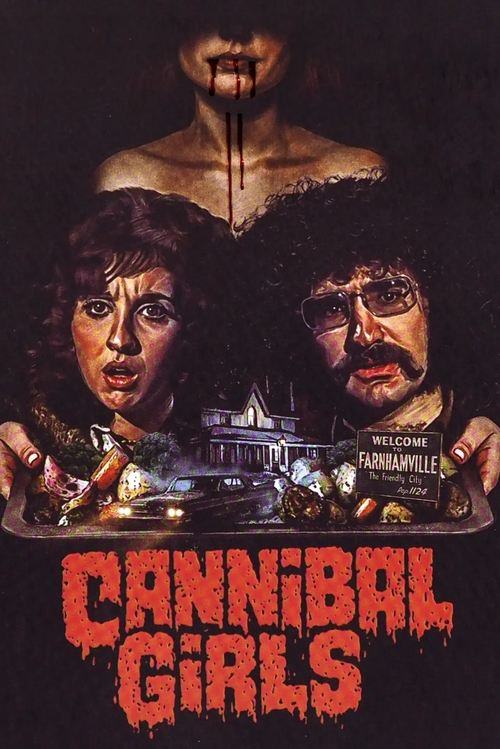
Cannibal Girls
1973
No user ratings available yet
Representation score: 2.0 out of 10
Representation Score
Minimal
1973
Director
Carl Monson
Runtime
98 minutes
Average Rating
No ratings yetNew Showbiz Analysis
This 1973 horror-comedy is a conventional genre piece that prioritizes creature-feature clichés over identity-driven storytelling. The narrative focuses on a man's interaction with a predatory, sentient plant, adhering to the established cinematic frameworks of its era. The film lacks intentionality regarding progressive representation. It relies on traditional archetypes and shows no evidence of disrupting social or identity-based hierarchies.
Category Breakdown
The film does not include any characters with non-straight or non-cisgender identities, nor does it depict any same-sex intimacy. It operates within a traditional framework that assumes everyone is straight and cisgender.
The story centers around a male protagonist and a plant with a 'sexy voice,' suggesting a reliance on conventional gendered archetypes rather than challenging traditional gender roles.
There is no indication of a diverse cast. The production appears to follow the homogeneous casting standards common to the 1973 horror-comedy genre.
The narrative follows standard genre morality without engaging in critiques of religion or Western institutions. It functions primarily as a creature-feature spectacle.
The film provides no information regarding the inclusion of characters with physical or neurodivergent disabilities.
Present on Screen
Limited or Absent
Official Synopsis
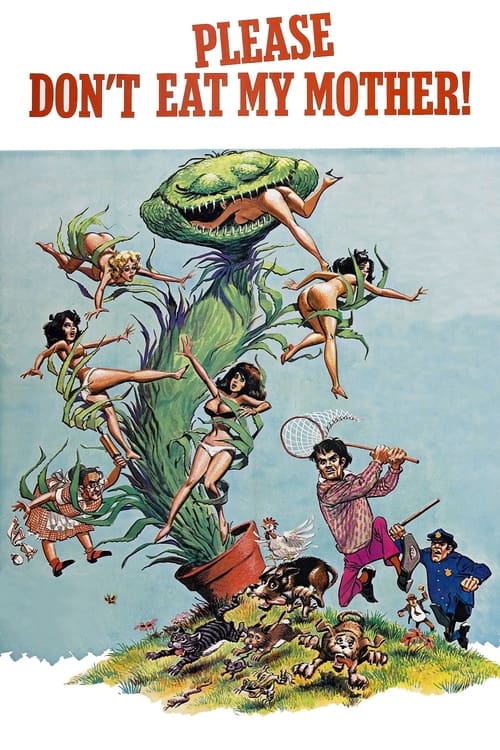
A middle-aged man buys a plant with a sexy voice that develops a craving for insects, frogs, dogs, humans...
1973
1960
1988
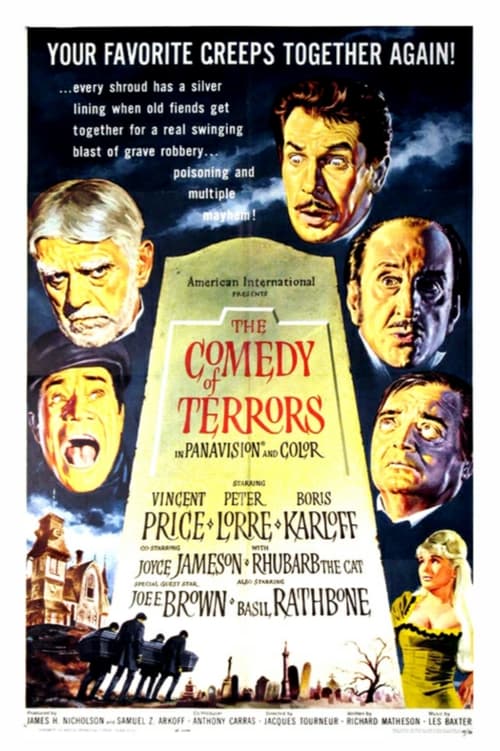
1964
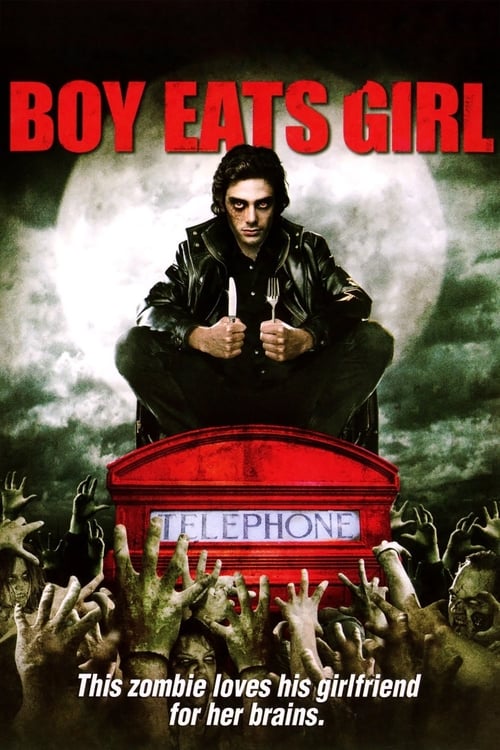
2005
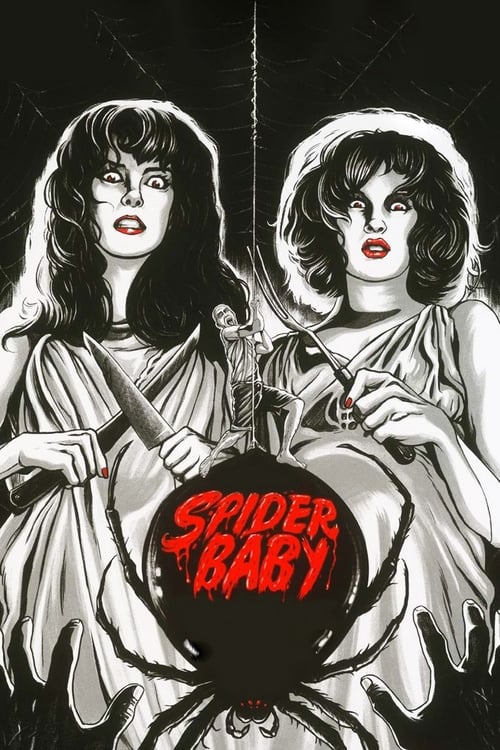
1967
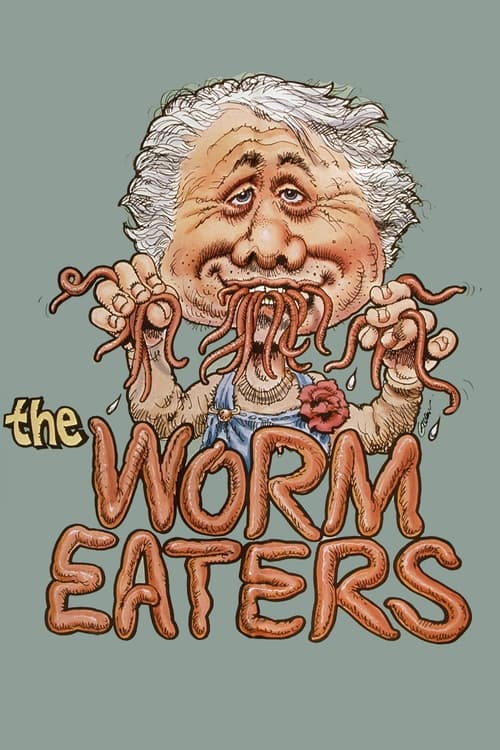
1977
1959
No reviews yet. Be the first to share your thoughts on this movie!
Use the rating form above to leave a star rating and optional review.