Rabid Grannies
1988
No user ratings available yet
Representation score: 4.5 out of 10
Representation Score
Minimal
1988
RDirector
James Aviles Martin
Runtime
89 minutes
Average Rating
No ratings yetNew Showbiz Analysis
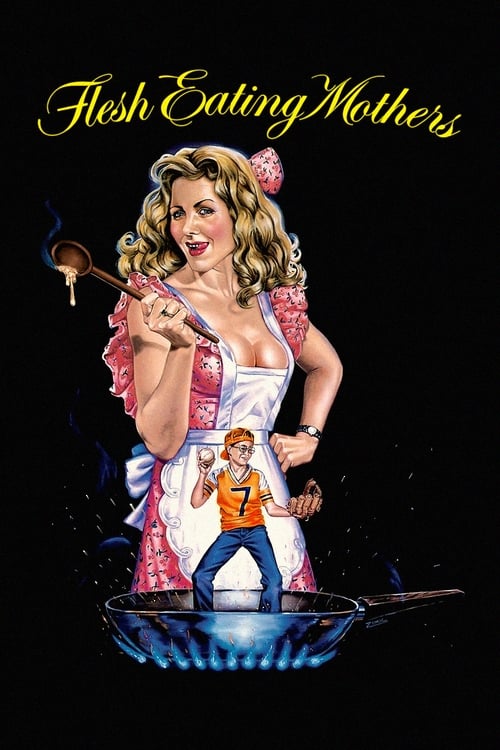
Flesh-Eating Mothers operates as a typical 1980s exploitation horror film. It relies on genre clichés to disrupt domesticity, using a biological catalyst to transform mothers into cannibals for shock value. The film lacks intentional multi-layered storytelling. It focuses on a localized, homogeneous demographic, failing to engage with identity politics, systemic power dynamics, or diverse cultural perspectives. Ultimately, the narrative prioritizes horror-comedy clichés over nuanced representation. It uses social dysfunction as a plot device rather than a tool for sophisticated social critique.
Category Breakdown
The film does not explicitly include non-binary gender identities. It focuses on traditional marital issues without addressing straight-centered structures.
Women are central to the plot, but they are portrayed through the 'monstrous feminine' cliché. Their roles are driven by biological conditions rather than social or intellectual empowerment.
The story focuses on a homogeneous social unit. There is no evidence of non-white casting or the use of diverse ethnic metaphors.
The film presents a cynical view of the nuclear family and marriage. However, this serves genre shock value rather than a critique of societal institutions.
No characters with visible or invisible disabilities are given meaningful roles. The central disease functions as a horror element rather than a nuanced exploration of disability.
Present on Screen
Limited or Absent
Official Synopsis
A venereal disease turns an entire town of two-timing mothers into cannibals!
1988
2021

1987
1986
2005

2009

1978
1992
No reviews yet. Be the first to share your thoughts on this movie!
Use the rating form above to leave a star rating and optional review.