The Gasoline Thieves
2019
No user ratings available yet
Diversity score: 4.9 out of 10
2003
Director
Ivan Fíla
Runtime
101 minutes
Average Rating
No ratings yetSynopsis
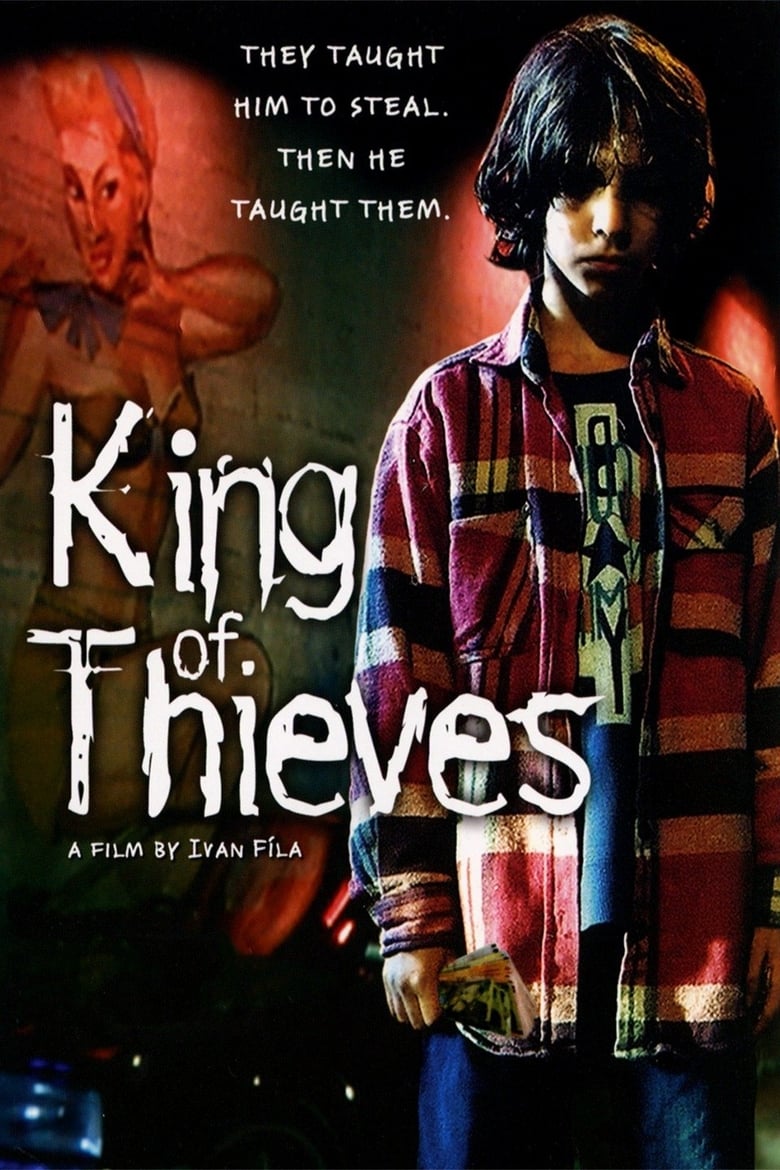
Two amateur circus kids from a poor Ukrainian village, ten-year-old Barbu and his older sister Mimma, are sold to a circus artist called Caruso who promises them a career in the West.
Overall Score
Fair
Category Breakdown
LGBTQ+ Representation
The film lacks explicit LGBTQ+ characters or narratives. The story focuses almost entirely on socioeconomic survival, leaving non-cisnormative identities unaddressed.
Gender Representation
Mimma provides a necessary critique of how vulnerability is gendered within the exploitative circus industry. However, the film largely adheres to traditional period hierarchies of protection and exploitation.
Racial & Ethnic Diversity
The narrative highlights the 'otherness' of Ukrainian characters navigating a broader European landscape. It avoids whitewashing by offering an unvarnished depiction of these marginalized Eastern European groups.
Religious & Cultural Diversity
The film critiques traditional institutions by framing criminal activity as a survival response to systemic inequality. It prioritizes the perspective of the disenfranchised over established social orders.
Disability Representation
Physical hardship and extreme poverty serve as atmospheric markers of struggle. There is no nuanced exploration of agency for characters with specific neurodivergent or physical disabilities.
Strengths
Areas for Improvement
AI Analysis
King of Thieves is a gritty period drama that centers on the social outcast rather than modern identity politics. It succeeds in deconstructing the criminal archetype, reframing anti-social behavior as a direct consequence of oppressive socioeconomic systems and systemic exclusion. The film's strength lies in its authentic portrayal of class-based marginalization and the displacement of Eastern European characters. It uses the lens of poverty to examine how individuals exist on the periphery of conventional civilization. However, the film lacks depth in several modern representation categories. It offers little engagement with LGBTQ+ identities or nuanced depictions of disability, focusing instead on the broader, more traditional struggles of historical survival.
2019

2002

1997

2022

2018

1996
2002

2007

2004

2019

2021

1996
No reviews yet. Be the first to share your thoughts on this movie!
Use the rating form above to leave a star rating and optional review.