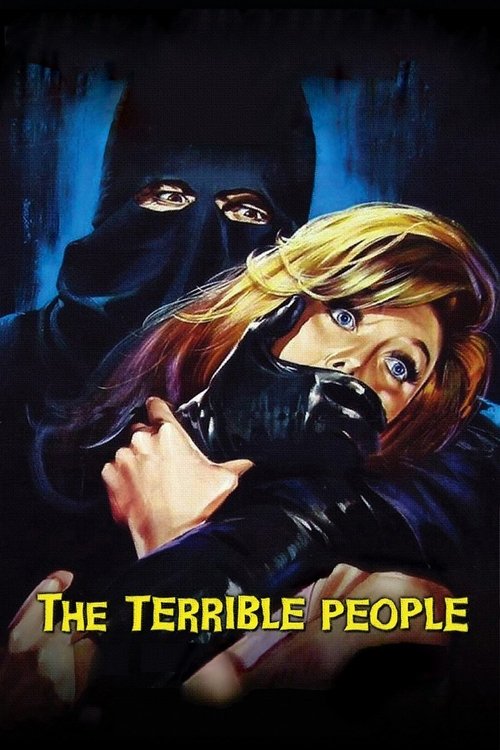
The Terrible People
1960
No user ratings available yet
Representation score: 1.4 out of 10
Representation Score
Minimal
1963
Director
Harald Reinl
Runtime
103 minutes
Average Rating
No ratings yetNew Showbiz Analysis
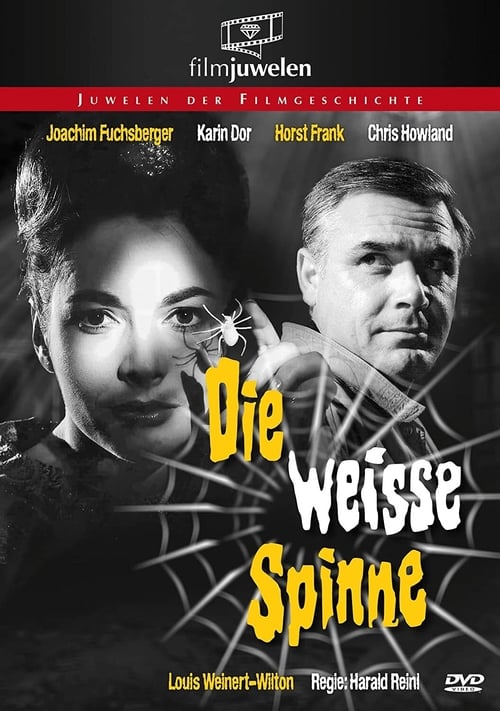
The White Spider is a conventional 1963 German crime thriller that emphasizes suspense and mystery over social exploration. Its narrative structure aligns with mid-20th-century cinematic norms, focusing on a local mystery involving the identification of a symbolic corpse. Since the film adheres to traditional genre conventions, it lacks representation of non-assuming gender matches what was assigned at birth identities or multi-ethnic casts. The story remains rooted in the homogeneous demographic landscape typical of its era. Ultimately, the film serves as a standard genre piece rather than a vehicle for challenging social hierarchies or overlapping identities.
Category Breakdown
The film does not include any LGBTQ+ characters or narratives. It follows mid-century cinematic traditions that don't question the assumption that everyone is straight or cisgender.
The story revolves around a traditional domestic tragedy. While the female protagonist identifies a corpse, the film sticks to the gender roles typical of the time.
The production reflects a homogeneous demographic. The narrative focuses on a localized, Eurocentric setting without a diverse cast.
The film operates as a standard crime thriller and morality play. It does not critique Western institutions or promote moral relativism.
There is no mention of characters with visible or invisible disabilities in the narrative.
Present on Screen
Limited or Absent
Official Synopsis
After an automobile accident, in which a man is unrecognizably burnt to a crisp, his wife's only able to confirm the corpse's identity by his talisman: a small, white spider. However, soon, there are more corpses walking around than at a comic con convention and every single one of them was a white spider sitting on or nearby the body.
1960
1955
1944
2005
1969
1963
1965

1960
No reviews yet. Be the first to share your thoughts on this movie!
Use the rating form above to leave a star rating and optional review.