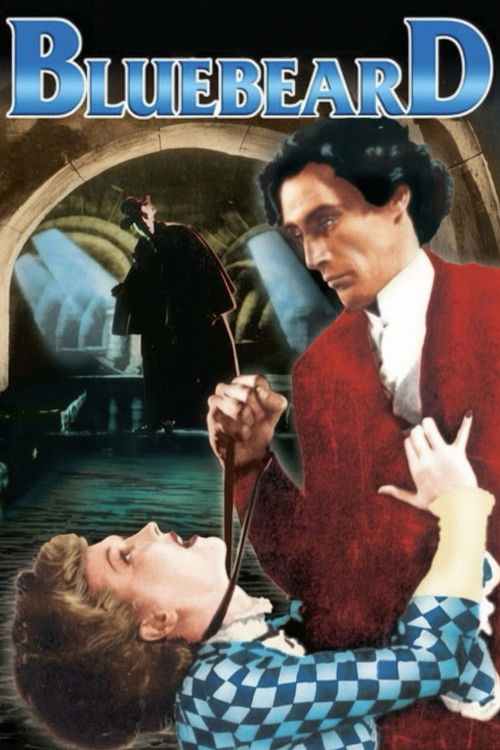
Bluebeard
1944
No user ratings available yet
Representation score: 1.6 out of 10
Representation Score
Minimal
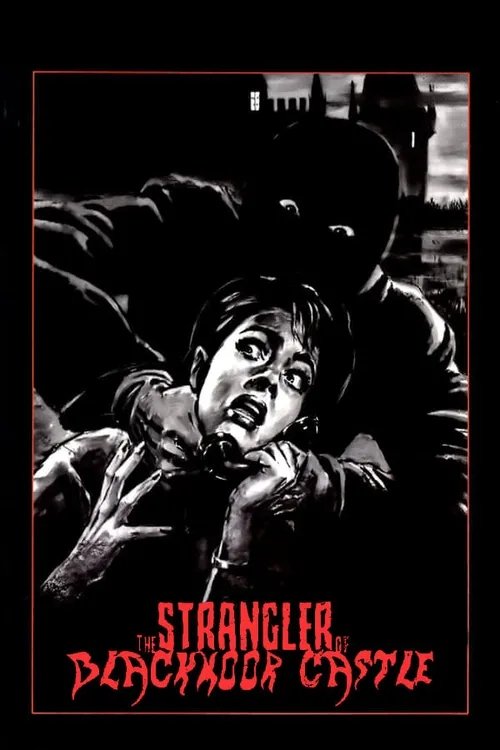
1963
Not RatedDirector
Harald Reinl
Runtime
89 minutes
Average Rating
No ratings yetNew Showbiz Analysis
The film follows the conventions of mid-century West German genre cinema, adhering to the commercial expectations of the Edgar Wallace thriller tradition. Its narrative structure emphasizes suspense and mystery over social complexity. Representation is limited by the era's constraints, resulting in a homogeneous cast and traditional character roles. The film upholds mid-century social norms rather than challenging them. Ultimately, the production lacks the intentionality needed to disrupt social hierarchies, focusing instead on a period-specific crime thriller centered around a violent antagonist.
Category Breakdown
The film does not include any LGBTQ+ characters or narratives, sticking to the traditional structures of the time.
Karin Dor plays a central female role, but the characters likely follow period-specific archetypes, such as the damsel in distress, which reinforce traditional gender roles.
Set on a British estate, the film reflects a homogeneous demographic typical of the era, with no significant ethnic diversity among the main characters.
The narrative focuses on Western crime and class clichés within a British context, functioning as a conventional morality tale rather than a critique of social institutions.
The film does not use disability as a narrative element, nor does it feature neurodivergent or physically disabled characters.
Present on Screen
Limited or Absent
Official Synopsis
A strangler is loose on a British estate, and he not only strangles his victims but brands an "M" onto their foreheads before he decapitates them.
1944

1964
1960
1972
1965
1967

1962
1953
No reviews yet. Be the first to share your thoughts on this movie!
Use the rating form above to leave a star rating and optional review.