
Maria Goretti
2003
No user ratings available yet
Representation score: 1.1 out of 10
Representation Score
Minimal
1995
Director
Jerzy Łukaszewicz
Runtime
73 minutes
Average Rating
No ratings yetNew Showbiz Analysis
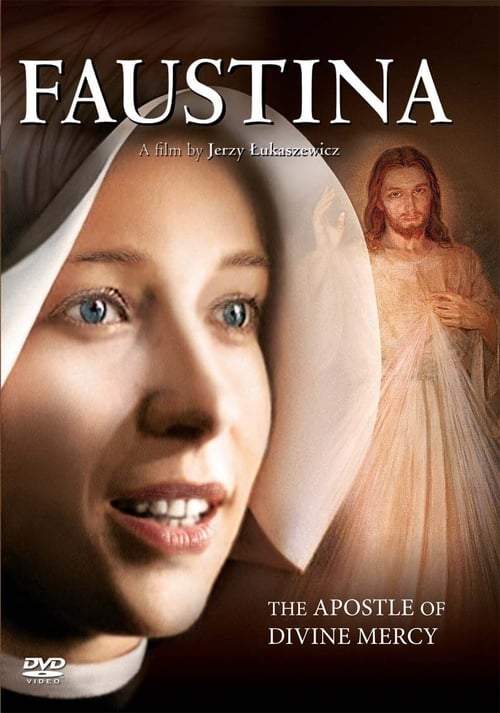
Faustina is a traditional biographical drama that prioritizes theological accuracy over challenging social hierarchies. The film honors the life of a canonized saint, aligning closely with established religious institutions. By focusing on the sanctity of the Catholic vocation, the film reinforces existing cultural and gendered structures. The narrative stays true to historical and religious traditions, without broadening its scope to include diverse identities or perspectives. Ultimately, the film serves as a celebration of a specific religious identity, making it a specialized work that does not widely represent diverse demographics.
Category Breakdown
The film centers on Catholic monasticism, which emphasizes celibacy and traditional gender roles. There is no depiction of LGBTQ+ identities or critiques of heterosexuality within the story.
The film highlights a female protagonist but likely reinforces traditional feminine virtues such as piety and submission. The narrative upholds religious hierarchies rather than promoting secular empowerment.
Set in a specific European historical context, the film features a homogeneous cast and setting. There is no indication of multicultural representation or race-bent casting.
The film celebrates Roman Catholic traditions and stands as a testament to its spiritual practices. It contrasts with secular narratives, emphasizing the sanctity of religious institutions.
The film depicts the protagonist's life, which includes both physical and spiritual struggles. However, it is unclear whether these challenges are shown through a lens of personal empowerment or simply as religious trials.
Present on Screen
Limited or Absent
Official Synopsis
Faustina is a 1995 Polish film directed by Jerzy Łukaszewicz about Blessed Sister Faustina Kowalska, a saint of the Roman Catholic Church who was canonized by Pope John Paul II in 2000. It is the first feature film of its kind in Poland, and far from the path of modern cinema.
2003

1989
2019

1989

2003

2002
2003

1993
No reviews yet. Be the first to share your thoughts on this movie!
Use the rating form above to leave a star rating and optional review.