
All The Saints
2002
No user ratings available yet
Representation score: 1.6 out of 10

Representation Score
Fair
2003
Director
Michał Kwieciński
Runtime
65 minutes
Average Rating
No ratings yetNew Showbiz Analysis
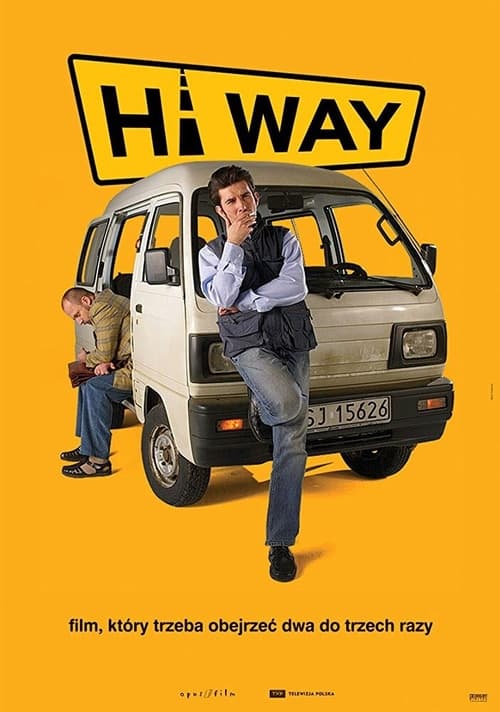
White Dress is a contemplative drama that pits opposing ideologies against each other using a journey-based structure. By placing a career-focused protagonist in a vehicle with a hitchhiker of opposing beliefs, the film questions ideological certainty. The film's strength lies in its cultural critique, particularly the friction between secular individualism and communal religious practices. It emphasizes moral relativism over a unified social stance. However, the film lacks a high density of diverse identities. While it disrupts social cohesion through ideological conflict, it does not explicitly feature diverse racial or LGBTQ+ representation.
Category Breakdown
The film doesn't show any non-traditional gender identities or same-sex relationships. However, there's potential to explore unconventional social dynamics through character conflicts.
The story centers around a career-focused main character, which challenges traditional gender roles. The focus on personal beliefs suggests an emphasis on individual choice rather than gendered expectations.
Set in a Polish context, the film likely reflects local demographics. Tensions between characters might represent 'othered' identities within a homogeneous environment.
The film contrasts a secular careerist with a religious community, highlighting the tension between modernity and established religious traditions.
There's no indication that disability, neurodivergence, or chronic illness play a central role in the story.
Present on Screen
Limited or Absent
Official Synopsis
Careerist Maciej gives a lift to a hitchhiker with opposite beliefs as they both head to their hometowns. In the meantime, the local community gets prepared for the annual Corpus Christi procession.
2002

1989
1974

2013
1976
2016

1989
2006
No reviews yet. Be the first to share your thoughts on this movie!
Use the rating form above to leave a star rating and optional review.