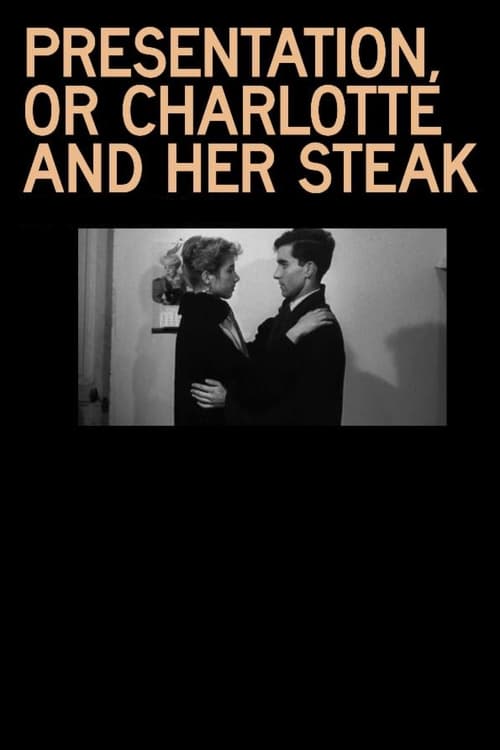
Presentation, or Charlotte and Her Steak
1951
No user ratings available yet
Diversity score: 2.3 out of 10

1975
Director
Stanislav Strnad
Runtime
94 minutes
Average Rating
No ratings yetSynopsis
Honza Pavelka (Jan Hrusínský) wins the junior motorbike speed races. His thirteen-year-old brother Martin (Roman Cada), his assistant and biggest fan, answers the questions of his schoolfriend Pavlína in a superior tone. Student Zuzana (Libuse Safránková), who gave her scarf to Honza to wear around his neck for the races as a talisman is Honza's girlfriend. He met her when he came to her parent's home to repair the TV set. Honza declines an invitation to celebration with his friends. He goes off with Zuzana instead, but she refuses his intimate advances. The offended young man, who is about to serve his two years in the army, tries to blackmail her emotionally and the couple breaks up. Martin tries various schemes to bring them together again.
Overall Score
Limited
Category Breakdown
LGBTQ+ Representation
The film centers on a conventional heteronormative romantic arc. There is no evidence of non-cisnormative identities or same-sex intimacy within the narrative.
Gender Representation
Zuzana demonstrates agency by setting boundaries regarding intimacy, disrupting the submissive female trope. However, Honza's emotional blackmail reflects lingering patriarchal expectations of male entitlement.
Racial & Ethnic Diversity
The production reflects a homogeneous social environment typical of 1970s Czechoslovakia. There is no evidence of racial blending or non-majority casting.
Religious & Cultural Diversity
The story explores interpersonal morality and social obligations. It deconstructs idealized romance through Honza's behavior, though it remains anchored in traditional social structures.
Disability Representation
No visible or invisible disabilities are depicted in the primary character arcs. The narrative focuses on adolescent and young adult relationship dynamics.
Strengths
Areas for Improvement
AI Analysis
The film is a period-specific domestic comedy that prioritizes micro-dynamics of interpersonal relationships over social diversity. It functions within the demographic homogeneity of its era, focusing on a localized Czechoslovakian setting. While the film lacks intersectional representation, it provides a nuanced look at gendered power dynamics. Zuzana's refusal of intimacy offers a subtle subversion of traditional romantic tropes, even as the male protagonist struggles with entitlement. Ultimately, the narrative remains anchored in conventional social frameworks, such as family and military service, without attempting to disrupt systemic hierarchies.
1951
1974
1995
1981
2013
1990
1984
2001
1994
1986

2017
1988
No reviews yet. Be the first to share your thoughts on this movie!
Use the rating form above to leave a star rating and optional review.